Germany weighs 2027 crypto tax overhaul as one-year holding rule under threat

Germany is contemplating a significant revision of its cryptocurrency tax regulations, with potential changes slated for 2027. This overhaul may particularly affect the country's one-year tax-free holding rule, which has been a cornerstone of its crypto investment landscape. The German government is reportedly looking to tighten enforcement mechanisms and seek additional revenue, prompting discussions around modifying existing tax incentives for crypto holders. As it stands, assets held for over a year can be sold without incurring capital gains tax, a policy that has made Germany an attractive destination for crypto investors.
The backdrop of this potential shift is rooted in Germany's broader fiscal strategy and the increasing scrutiny on crypto taxation globally. While individual countries have begun to establish their own frameworks, Germany has historically been viewed as a progressive leader in the crypto space, offering favorable tax conditions that have drawn both domestic and international investors. However, the current economic climate, marked by rising inflation and budgetary pressures, has led the government to reassess its tax policies to bolster public finances and ensure equitable tax contributions from all sectors, including the burgeoning digital asset market.
The implications of altering the one-year holding rule could be significant for the market. This change could deter long-term investment in cryptocurrencies and reduce the overall attractiveness of Germany as a crypto investment hub. Investors may be more hesitant to enter the market if they face capital gains tax on assets held for shorter periods, potentially leading to decreased trading volumes and market liquidity. Furthermore, such a policy shift might incentivize investors to relocate their assets to jurisdictions with more favorable tax regimes, thereby impacting the local crypto economy and innovation.
Industry reactions to the proposed changes are mixed, with some experts expressing concern over the potential negative impact on investor sentiment and market stability. Others argue that a more structured tax framework could lead to greater legitimacy for the industry, attracting institutional investors who prefer clarity and compliance. Crypto advocates have voiced their apprehensions, asserting that the one-year holding rule has fostered a thriving investment culture in Germany and serves as an essential incentive for long-term engagement with digital assets.
As discussions continue, the next steps will likely involve public consultations and debates among lawmakers, industry stakeholders, and the broader community. The timeline for any changes remains tentative, but as 2027 approaches, stakeholders in the crypto ecosystem will be closely monitoring developments to prepare for any regulatory shifts. The outcome of this review will not only shape the future of crypto taxation in Germany but could also influence similar discussions in other countries grappling with the complexities of taxing digital assets.

CoinMagnetic Team
Crypto investors since 2017. We trade with our own money and test every exchange ourselves.
Updated: May 2026
From our insights:
Related news

SoFi begins stablecoin settlement on Mastercard network for program expected to exceed $25 billion in annualized volume

A $3.2 million 'bitcoin butterfly' option trade bets on $95,000 by the end of October

Bitcoin surges past $86,000 as $1 billion in shorts are liquidated, eyes on $90,000
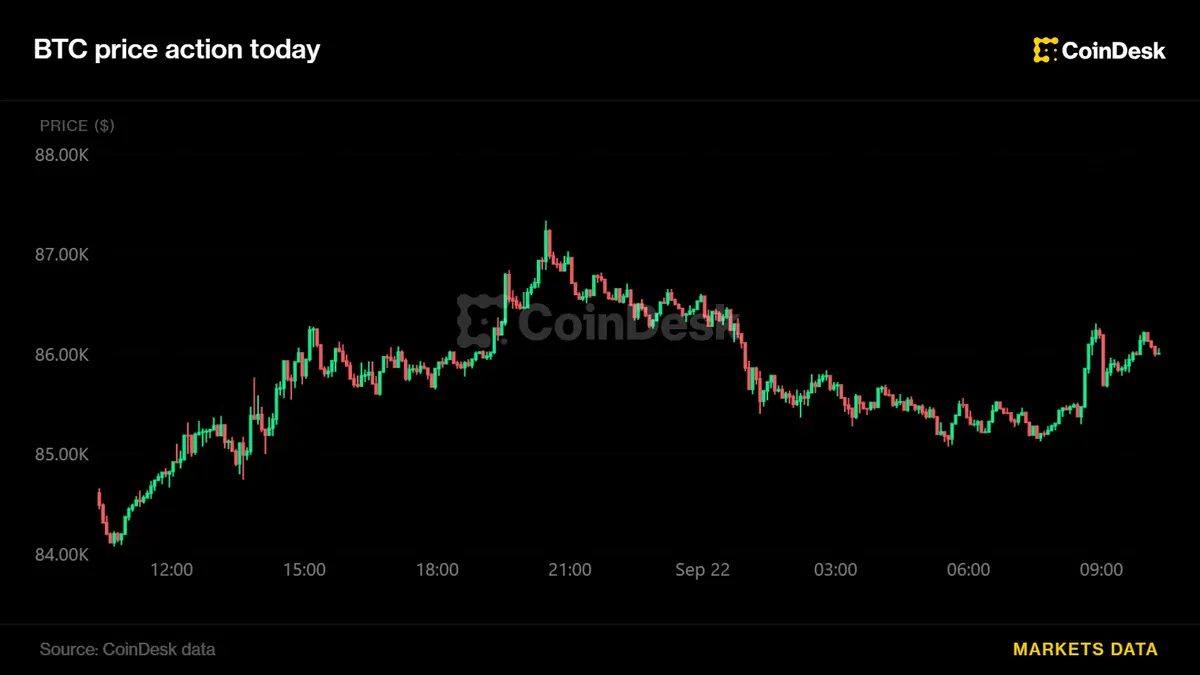
Bitcoin bounces back to $86,000 as oil prices decline and stocks rise

Prediction markets projected to reach $10 trillion by 2035, surpassing sports