Future crypto buyers in Germany face 25% tax on gains starting 2027

The German Finance Ministry has proposed a new framework that will impose a 25% tax on capital gains from cryptocurrency investments made after January 1, 2027. This move is part of a broader effort to standardize the taxation of digital assets in the country. Notably, any cryptocurrencies purchased before 2027 will retain the existing twelve-month exemption, meaning that gains from these assets will not be taxed if held for at least a year. The proposed tax has sparked discussions among investors and industry stakeholders regarding its potential impact on the crypto market in Germany.
Historically, Germany has been seen as a relatively progressive nation regarding cryptocurrency regulations. The country was among the first to acknowledge Bitcoin as a form of legal tender and has implemented a tax structure that differentiates between short-term and long-term holdings. The twelve-month exemption has encouraged many to hold onto their assets longer, which has contributed to a more stable market environment. However, the new tax proposal signals a shift in approach, indicating that the government is seeking to capitalize on the growing popularity of cryptocurrencies.
This proposed tax could have significant implications for both existing and future investors in Germany. For new buyers, the introduction of a 25% tax on gains may deter investment in cryptocurrencies, potentially leading to decreased trading volumes and market participation. Conversely, it may encourage existing investors to consider liquidating their positions before the tax takes effect, which could lead to increased volatility in the short term as investors rush to capitalize on the current tax framework.
Reactions from industry experts have varied. Some view the proposed tax as a necessary step for legitimizing the cryptocurrency industry in Germany, while others argue that it could stifle innovation and discourage new investment. Industry advocates are calling for more dialogue with the government to ensure that the tax structure supports the growth of the digital asset ecosystem. The uncertainty surrounding the tax has also led to concerns about how it will be enforced and how it might evolve in the coming years.
Looking ahead, the German Finance Ministry's proposal will likely undergo further discussions and revisions before it becomes law. Stakeholders are keenly awaiting any amendments that might be made and are actively engaging with policymakers to express their concerns and suggestions. As the 2027 deadline approaches, both investors and industry participants will need to closely monitor developments regarding this tax and its implications for the future of cryptocurrency in Germany.

CoinMagnetic Team
Crypto investors since 2017. We trade with our own money and test every exchange ourselves.
Updated: September 2026
From our insights:
Related news

Google Quietly Updates Privacy Policy to Let Gmail and Photos Data Feed Ads
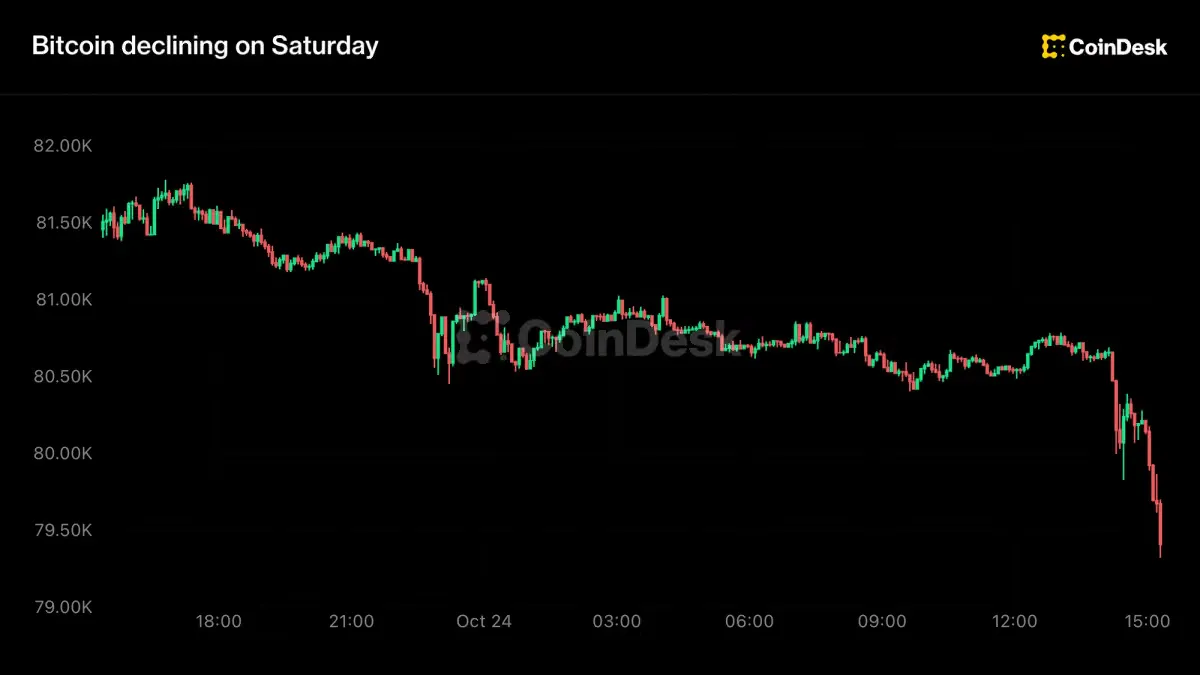
Bitcoin falls below $80,000 as U.S. evacuations heighten market pressure

Call of Duty studio discussed dropping physical discs as early as 2007

Xapo Bank CEO sees wealthy bitcoin holders favoring loans and yield strategies

IRS program overhaul targets reduced penalties for crypto and other tax violations