Georgia primary to test crypto PAC’s support for Democratic candidate

A political action committee (PAC) closely associated with cryptocurrency interest groups has made headlines by spending over $4 million to support Jasmine Clark, a Democratic candidate for the US House in Georgia. This significant financial backing reflects a strategic move by the crypto sector to influence political outcomes and advocate for favorable regulations. The PAC’s investment underscores the growing recognition within the cryptocurrency community of the importance of political engagement as they seek to navigate an increasingly complex regulatory landscape.
The backdrop to this PAC's involvement in the Georgia primary is rooted in the evolving relationship between the cryptocurrency industry and government. As the digital asset space has grown, so too has the desire among industry players to have a say in legislative processes that affect them. Jasmine Clark, who is running in a competitive race, has positioned herself as a candidate willing to engage with and support the burgeoning crypto sector, making her an appealing choice for this PAC. The substantial financial commitment signals a clear intent to bolster her campaign and promote policies that are seen as favorable to the industry.
This spending is particularly significant as it illustrates the broader trend of cryptocurrency interests becoming more politically active. By backing candidates like Clark, the crypto industry aims to ensure that their voices are heard in Congress, especially as lawmakers consider regulations that could shape the future of digital assets. The outcome of this primary could set a precedent for how crypto-related PACs engage in future elections and influence policy discussions at the federal level.
Reactions from industry experts and political analysts have been mixed. Some view this investment as a smart tactic, arguing that political engagement is essential for the cryptocurrency sector to thrive. Others, however, warn that heavy financial backing can lead to perceptions of undue influence, which may not resonate well with the broader electorate. The potential ramifications for Clark’s campaign could be profound, as well–if she wins, it might encourage similar PACs to invest in other candidates, further entrenching the crypto community’s presence in politics.
Looking ahead, the outcome of the Georgia primary will be closely watched not just for its immediate implications for Clark's candidacy, but also for what it signals about the crypto industry's growing role in political dynamics. Should she secure a victory, it could embolden other candidates to align with crypto interests and signal a shift in how political campaigns are funded and influenced in the digital age. The evolving relationship between cryptocurrency and politics is a narrative that is still in its early chapters, and this primary could be a pivotal moment in that ongoing story.

CoinMagnetic Team
Crypto investors since 2017. We trade with our own money and test every exchange ourselves.
Updated: May 2026
From our insights:
Related news

SoFi begins stablecoin settlement on Mastercard network for program expected to exceed $25 billion in annualized volume

A $3.2 million 'bitcoin butterfly' option trade bets on $95,000 by the end of October

Bitcoin surges past $86,000 as $1 billion in shorts are liquidated, eyes on $90,000
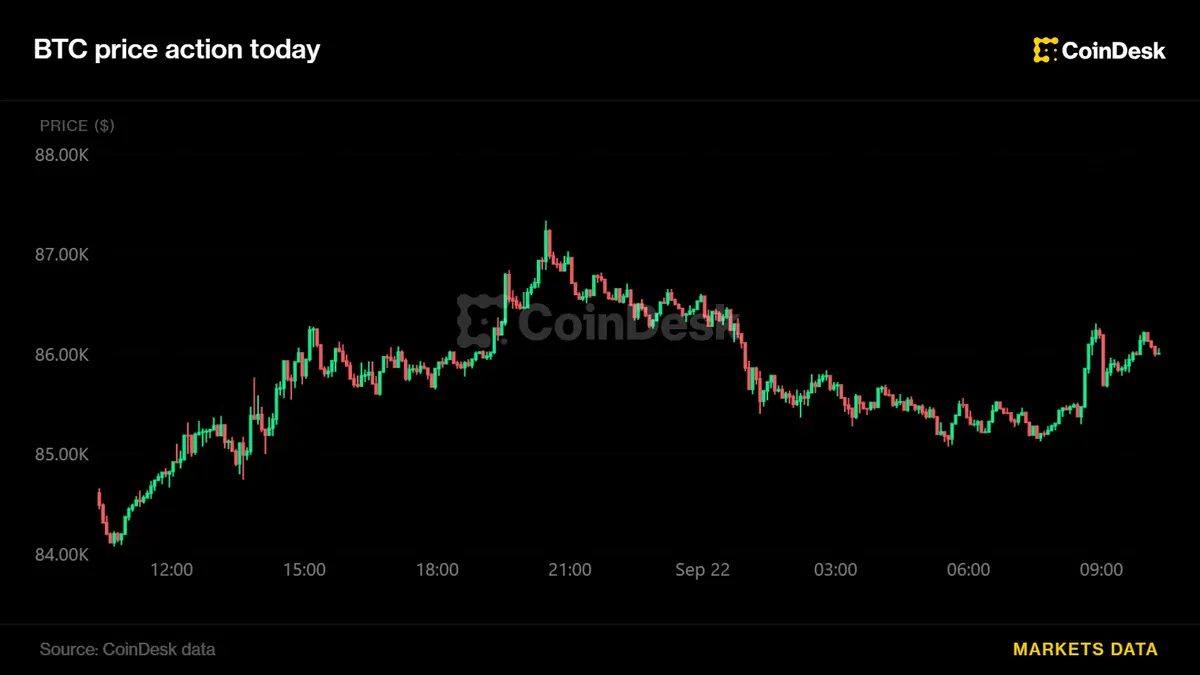
Bitcoin bounces back to $86,000 as oil prices decline and stocks rise

Prediction markets projected to reach $10 trillion by 2035, surpassing sports