G7 calls for joint action on North Korean crypto theft, cybercrime
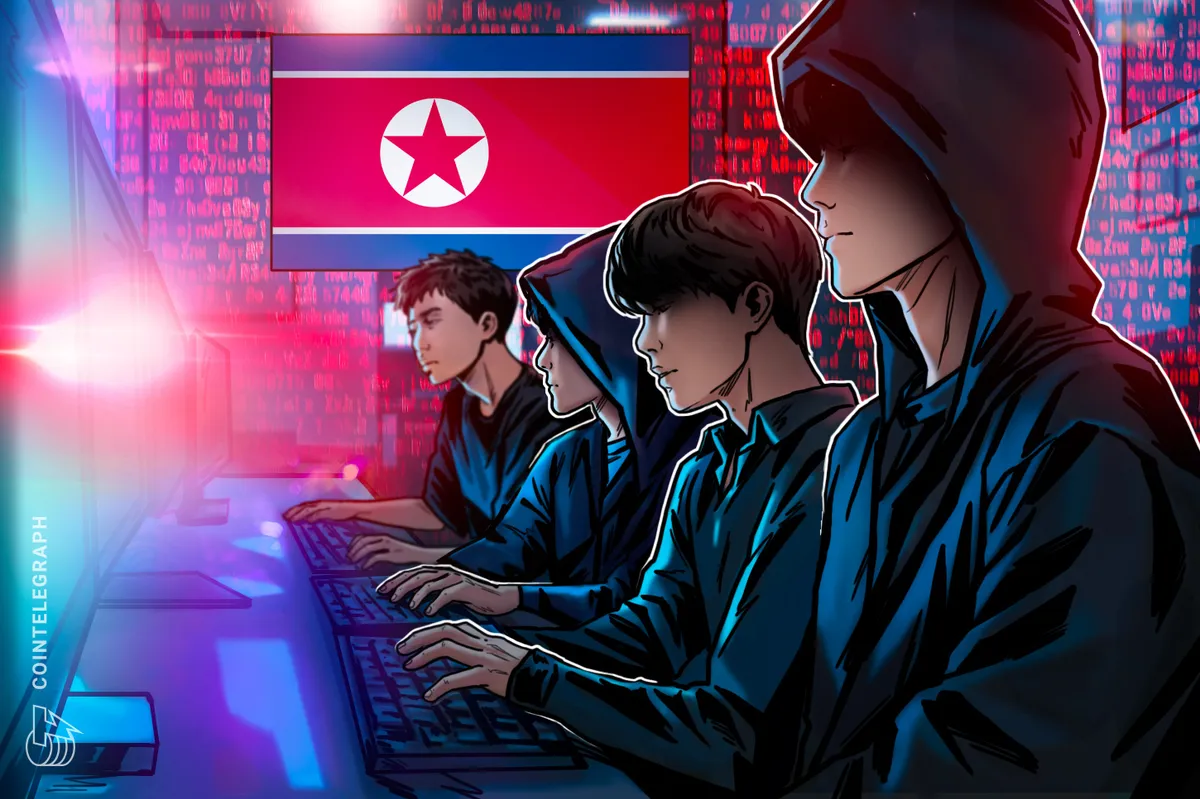
The G7 leaders have recently taken a significant step by calling for joint action to address the growing threat of North Korean cybercrime and crypto theft. During their latest summit, they highlighted the alarming trend of North Korean-affiliated actors being linked to the theft of billions of dollars worth of digital assets. This expanded focus on cybercrime reflects a recognition of the sophisticated and increasingly aggressive tactics employed by these groups, which have been targeting various sectors across the globe. The G7's call to action aims to bolster international cooperation in combating these threats, emphasizing the need for comprehensive measures to mitigate the risks posed by these cyber actors.
To understand the gravity of this situation, it is essential to consider the historical context of North Korea's engagement in cybercrime. Over the past few years, the Democratic People's Republic of Korea (DPRK) has developed a notorious reputation for utilizing cyber warfare and hacking to fund its regime, particularly in the face of international sanctions. The regime's cyber units, including the infamous Lazarus Group, have been responsible for high-profile attacks on cryptocurrency exchanges and financial institutions. As researchers continue to unveil the full extent of North Korea's cyber operations, it has become increasingly clear that these activities are not merely state-sponsored hacking but part of a broader strategy to circumvent economic isolation.
The implications of the G7's stance on North Korean crypto theft and cybercrime are significant for the cryptocurrency market and the broader financial ecosystem. As nations unite to confront these threats, we may see an increase in regulatory scrutiny and tighter controls on crypto transactions. This could lead to a more robust framework for compliance, potentially reducing the risks associated with illicit activities within the crypto space. However, it may also result in challenges for legitimate users, as increased regulations could complicate the transactional landscape and limit access to certain services.
Industry experts have expressed a mix of concern and cautious optimism regarding the G7's announcement. Some believe that a collective approach could lead to more effective strategies for preventing cyber theft and safeguarding digital assets. Others caution that while international collaboration is essential, it must be balanced with the need to foster innovation and maintain the decentralized nature of cryptocurrencies. The sentiment in the crypto community is varied, with some emphasizing the importance of self-regulation and user education to combat the risks posed by cybercriminals.
Looking ahead, the G7's call for joint action is expected to catalyze discussions on cybersecurity within the crypto industry and beyond. As countries work to develop coordinated responses to the threats posed by North Korean cyber actors, we may see a surge in partnerships between governments and private sectors aimed at enhancing security measures. The evolution of this dialogue will likely shape the future of cryptocurrency regulation and security, making it a critical area to monitor in the coming months.

CoinMagnetic Team
Crypto investors since 2017. We trade with our own money and test every exchange ourselves.
Updated: June 2026
From our insights:
Related news
Iran hints at reopening Strait of Hormuz, WTI oil drops to $89
New altseason signal emerges as Bitcoin market cap stays under 60%
Bitcoin nears $86,000 as crypto market cap surpasses $3 trillion
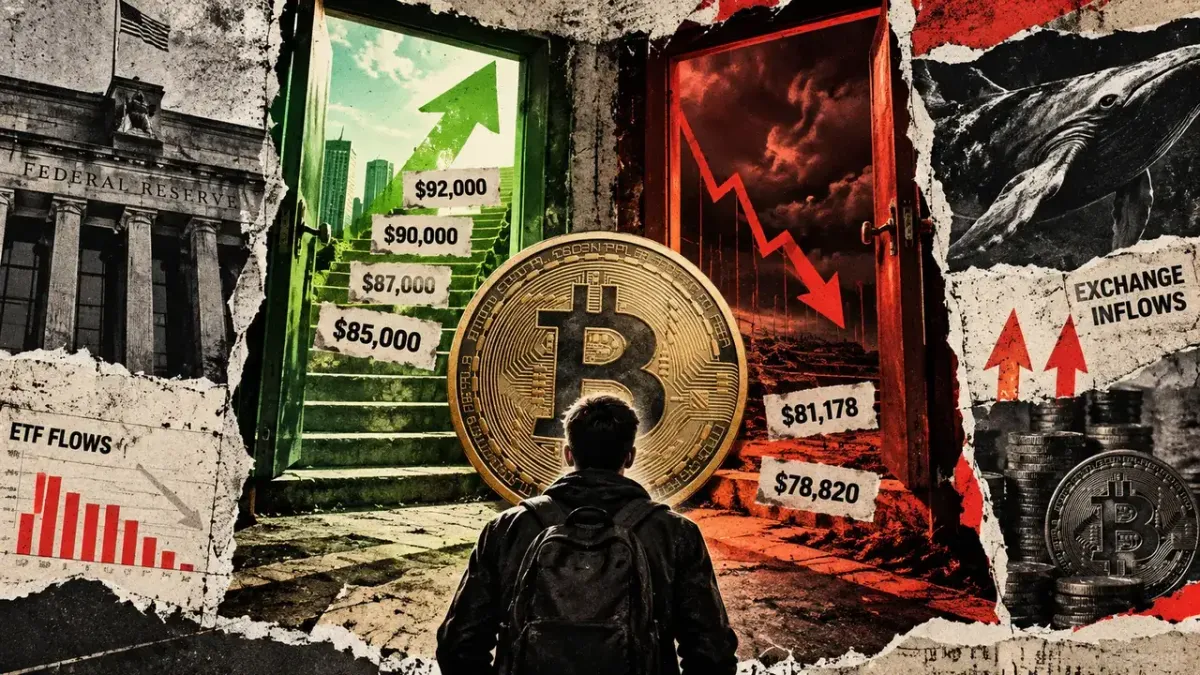
Bitcoin's weekly close above $81,000 signals potential rise to $90,000

Elon Musk's X integrates bitcoin trading options for U.S. users