Franklin Templeton says Wall Street fears blockchain because it threatens its profits

In a recent statement, Jenny Johnson, the CEO of Franklin Templeton, expressed her views on how blockchain technology and cryptocurrencies pose a significant threat to traditional financial institutions. She indicated that Wall Street's apprehension towards blockchain stems from the potential disruption it could cause to numerous established business models. Johnson emphasized that the decentralized nature of blockchain undermines the traditional intermediaries that have long been integral to financial transactions, which could lead to a shift in how financial services are delivered and consumed.
To understand the implications of Johnson's remarks, it is essential to consider the broader context of the financial industry. For decades, traditional finance has relied on intermediaries–such as banks, brokers, and clearinghouses–to facilitate transactions and manage risk. The emergence of blockchain has introduced a paradigm shift, allowing for direct peer-to-peer transactions that can occur without these intermediaries. This disruption is not merely theoretical; various projects and startups are already demonstrating the potential for blockchain to reduce costs, increase efficiency, and enhance transparency across financial services.
The significance of Johnson's comments lies in the potential market ramifications. If financial institutions continue to resist adopting blockchain technology, they risk becoming obsolete as new entrants capitalize on the efficiencies it offers. Investors and market participants are increasingly aware of this potential, leading to growing interest in cryptocurrencies and blockchain-based solutions. As traditional financial giants grapple with this existential threat, the market may see a shift in capital allocation toward more innovative firms that embrace these technologies.
Industry reactions to Johnson's insights have been mixed. Some experts agree with her assessment, arguing that the financial sector must adapt to the reality of blockchain to remain competitive. Others, however, suggest that traditional finance will find ways to coexist with blockchain technologies by integrating them into their existing systems. This debate highlights the diverse perspectives within the industry regarding the future of finance and the role that blockchain will play in shaping it.
Looking ahead, it will be crucial for both traditional financial institutions and blockchain innovators to engage in meaningful dialogue and collaboration. As the industry evolves, we may witness a convergence of old and new financial paradigms, where the strengths of both can be leveraged for mutual benefit. The outcome of this ongoing transformation will not only determine the fate of established institutions but also shape the future landscape of the financial market as a whole.

CoinMagnetic Team
Crypto investors since 2017. We trade with our own money and test every exchange ourselves.
Updated: June 2026
From our insights:
Related news

Bitcoin's weekly close above $81,000 signals potential rise to $90,000

Elon Musk's X integrates bitcoin trading options for U.S. users
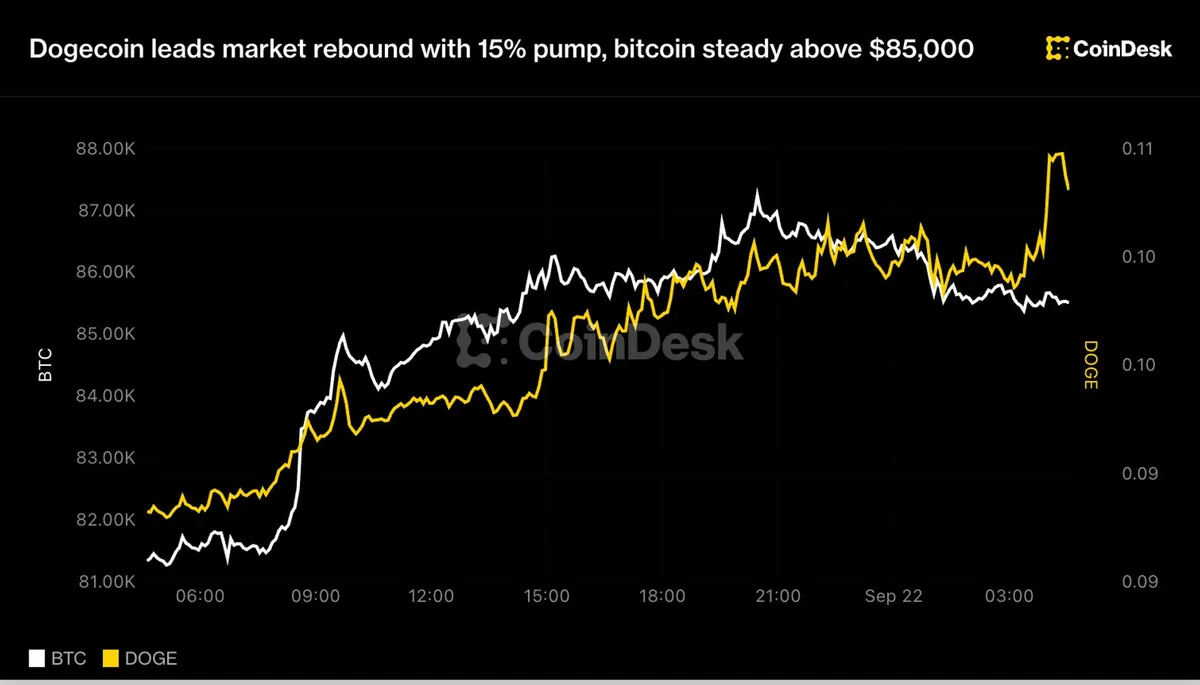
Dogecoin's 15% surge drives market recovery as bitcoin stabilizes above $85,000

Cardano adds tools for AI agent payments, joining Solana and XRP Ledger

Trueo prediction market moves from Base to Ethereum