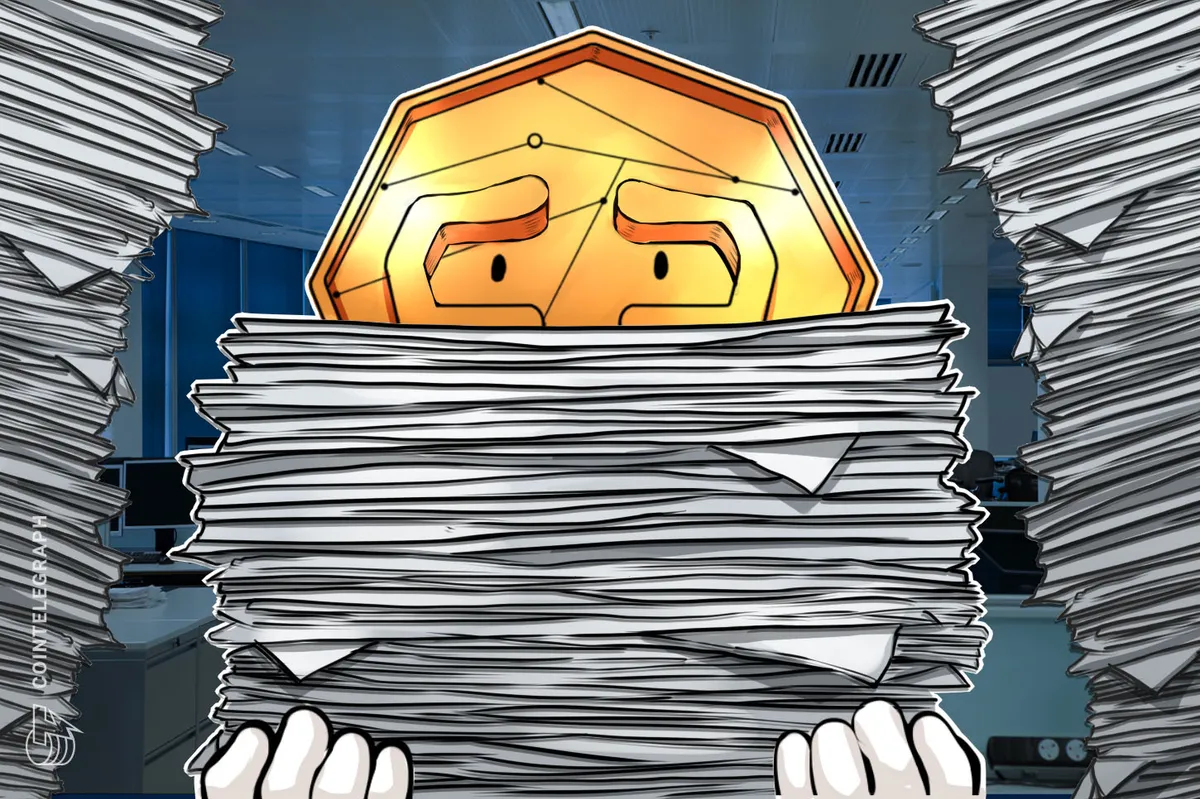
WTO warns fragmented regulations restrict stablecoin use to 3% of global payments

The World Trade Organization (WTO) has highlighted the potential of stablecoins to streamline trade finance but cautioned that fragmented regulatory environments are hindering their broader adoption. According to WTO head Ngozi Okonjo-Iweala, while stablecoins have the capacity to significantly reduce friction in international trade, their current utilization stands at just 3% of global payment systems. This limited integration underscores the challenges posed by varying regulations across nations, which complicate their acceptance and usage in international finance.
Historically, stablecoins emerged as a response to the volatility of cryptocurrencies, aiming to provide a more stable medium for transactions and value storage. They have gained traction in recent years, particularly for cross-border payments and remittances. However, the lack of a unified regulatory framework has led to a patchwork of rules that varies from country to country, creating uncertainty for businesses and consumers alike. As a result, many potential users remain hesitant to fully embrace stablecoins in their financial dealings.
The implications of this situation are significant for the market. The restricted adoption of stablecoins not only limits their potential benefits in facilitating smoother and faster transactions but also stifles innovation within the financial sector. The WTO's findings suggest that without clearer and more consistent regulations, the global economy may miss out on the efficiencies that stablecoins could bring, particularly in reducing transaction costs and increasing accessibility for smaller businesses in developing countries.
Industry experts and stakeholders have expressed concern over the current regulatory landscape. Many believe that a collaborative approach among countries could pave the way for a more coherent regulatory framework that supports stablecoin adoption. Some in the industry are advocating for guidelines that balance the need for consumer protection with the desire for innovation, emphasizing the importance of dialogue between regulators and the crypto community to address these challenges.
Looking ahead, the WTO's comments may serve as a catalyst for discussions among policymakers and financial institutions regarding the future of stablecoin regulation. If countries can come together to create more uniform standards, it could unlock the full potential of stablecoins in international finance, enhancing their role in the global economy and potentially increasing their market share beyond the current 3%.

CoinMagnetic Team
Crypto investors since 2017. We trade with our own money and test every exchange ourselves.
Updated: September 2026
From our insights:
Related news
Senate can demonstrate timely action on crypto regulation by September 15
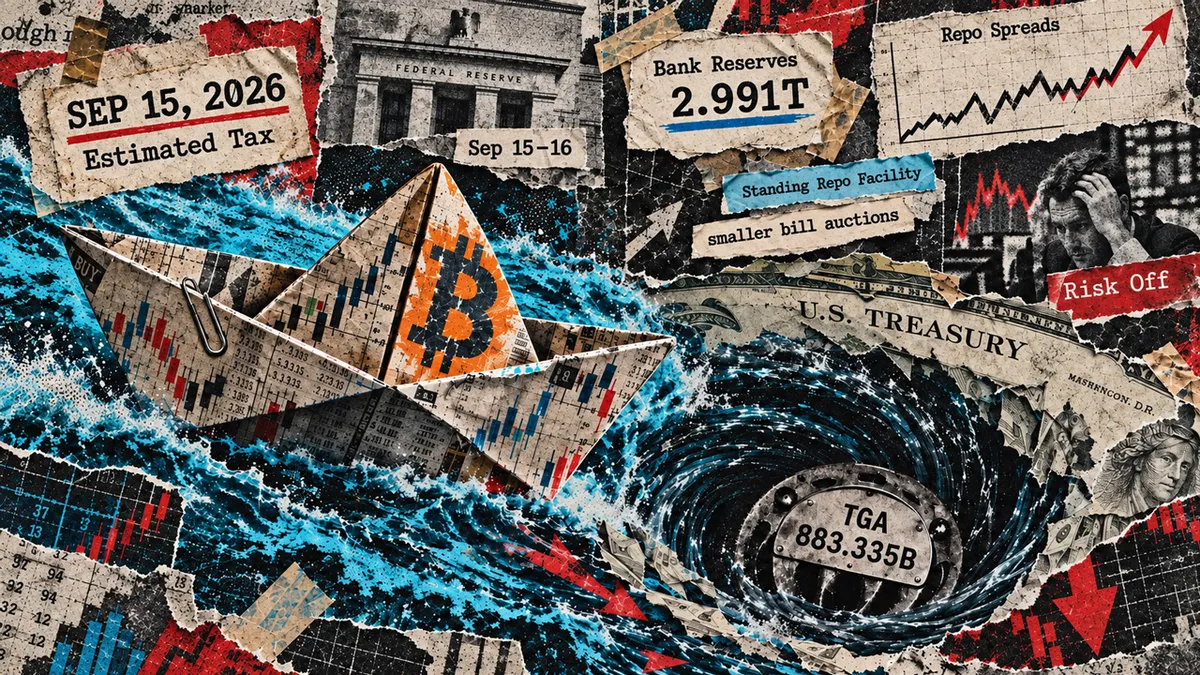
US tax deadline could strain Bitcoin liquidity ahead of Fed decision
Trump agrees to stricter ethics rules to save Clarity Act crypto bill: AP
FCA explores exempting tokenized gold from fund regulations to bolster London market

Bitcoin sees small gains as stocks fall ahead of Fed rate hike expectations