Former OpenAI researcher predicts brain-controlled AI coding agents by 2027
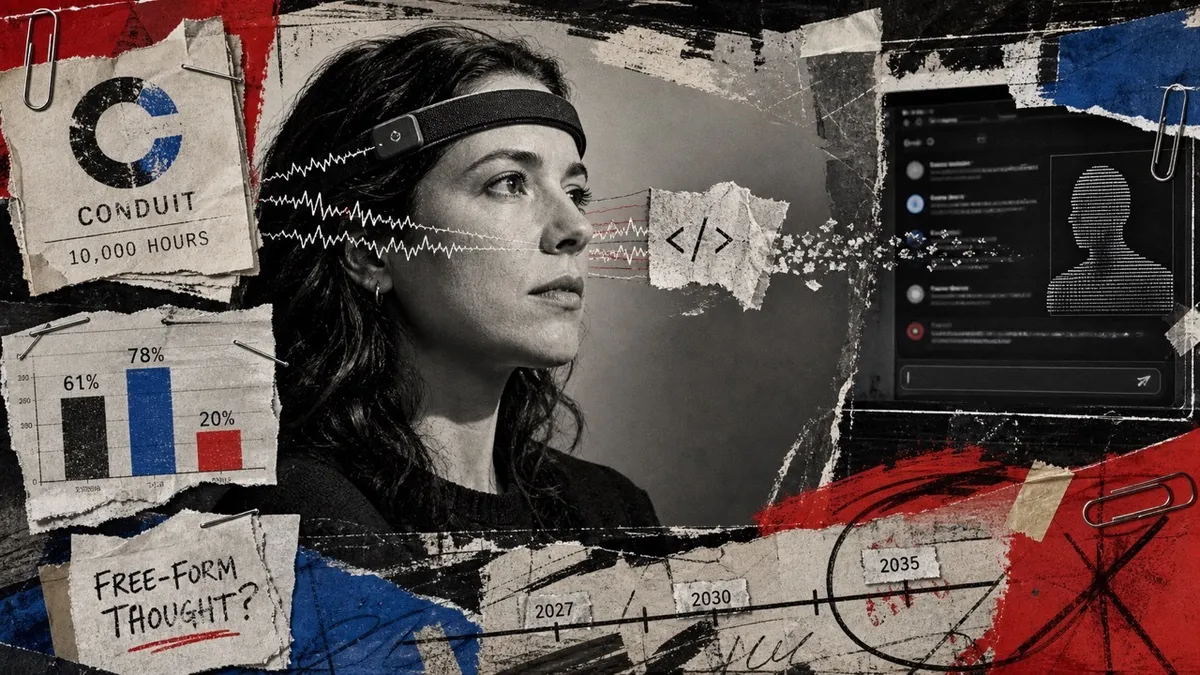
A former researcher from OpenAI, now affiliated with a company called Conduit, has made an intriguing prediction about the future of artificial intelligence. According to their projections, by 2027, we could see the emergence of brain-controlled AI coding agents capable of generating code based on neural data. While Conduit has not yet released any aggregate performance data regarding free-form thought and its implications for AI, the concept of integrating human neural inputs into AI systems opens up a fascinating realm of possibilities for programming and software development.
The idea of directly connecting human cognition to AI is not entirely new; however, it has gained traction as advancements in neuroscience and machine learning continue to unfold. Understanding how neural data can be translated into AI prompts could enhance the capabilities of coding agents, allowing them to interpret complex human intentions and execute tasks more intuitively. This development is part of a broader trend in the tech industry, where the boundaries between human intelligence and machine learning are increasingly blurred.
This prediction matters significantly for the market as it could reshape the landscape of software development. Brain-controlled AI coding agents could lead to more efficient coding processes, reducing the time and effort required for traditional programming tasks. As businesses seek to optimize operations and leverage the power of AI, the ability to harness human thoughts for coding could become a game changer, attracting investment and interest from tech firms looking to stay ahead of the curve.
Industry experts have begun weighing in on the implications of such technology. Some view it as a revolutionary step forward, while others express caution regarding ethical considerations and the potential for misuse. The prospect of machines interpreting and acting upon human thoughts raises questions about privacy, security, and the very nature of creativity in coding. The excitement around this prediction is palpable, but so too is the responsibility that comes with it.
Looking ahead, the development of brain-controlled AI coding agents will likely involve extensive research and collaboration between neuroscientists, AI researchers, and ethicists. As Conduit works to refine its technology and methodologies, the tech community will be watching closely to see how these brain-computer interfaces evolve. The next few years will be crucial in determining whether this ambitious vision becomes a reality by 2027.

CoinMagnetic Team
Crypto investors since 2017. We trade with our own money and test every exchange ourselves.
Updated: August 2026
From our insights:
Related news

Bitcoin surges past $86,000 as $1 billion in shorts are liquidated, eyes on $90,000

Bitcoin bounces back to $86,000 as oil prices decline and stocks rise

Prediction markets projected to reach $10 trillion by 2035, surpassing sports

Iran hints at reopening Strait of Hormuz, WTI oil drops to $89

New altseason signal emerges as Bitcoin market cap stays under 60%