Former BIS chief softens stance on stablecoins, backs coexistence with fiat

In a recent statement, former Bank for International Settlements (BIS) general manager Agustín Carstens expressed a more favorable view toward stablecoins, indicating that they have the potential to enhance financial inclusion and drive innovation in the financial sector. Carstens emphasized the importance of developing global regulatory frameworks to facilitate the coexistence of stablecoins and traditional fiat currencies. His comments mark a notable shift from the more cautious approach that central banks and regulatory bodies have typically adopted regarding digital assets.
Carstens’ remarks come at a time when stablecoins have gained significant traction in the financial markets, presenting themselves as a bridge between the traditional banking system and the rapidly evolving world of digital currencies. As these digital assets continue to proliferate, the demand for clear and coherent regulations has grown, prompting discussions among regulators worldwide. Carstens’ acknowledgment of the benefits that stablecoins can bring reflects a broader recognition of their potential role in modern finance, particularly in promoting access to financial services for underserved populations.
The implications of Carstens’ comments are substantial for the cryptocurrency market, as they signal a potential shift in the regulatory landscape. By advocating for a structured approach to stablecoin regulation, there is a chance that more institutional players will enter the market, fostering greater stability and legitimacy. This could lead to increased adoption and innovation within the crypto space, as businesses and consumers alike may feel more confident in utilizing stablecoins for transactions and investments.
Industry experts have reacted positively to Carstens’ remarks, with many highlighting the need for collaboration between regulators and the crypto industry to create effective frameworks. Some believe that a regulatory environment that recognizes the complementary nature of stablecoins and fiat could ultimately benefit both sectors, paving the way for a more integrated financial ecosystem. Others caution, however, that any regulatory measures must balance innovation with consumer protection to ensure that the benefits of stablecoins are realized without exposing users to undue risk.
Looking ahead, it remains to be seen how quickly and effectively global regulatory bodies will act on this call for a structured approach to stablecoins. As discussions continue, stakeholders from various sectors will likely be monitoring developments closely to adapt their strategies accordingly. The future interplay between stablecoins and fiat currencies could shape the financial landscape in the coming years, with potential outcomes ranging from enhanced financial services to new challenges in regulatory compliance.

CoinMagnetic Team
Crypto investors since 2017. We trade with our own money and test every exchange ourselves.
Updated: June 2026
From our insights:
Related news
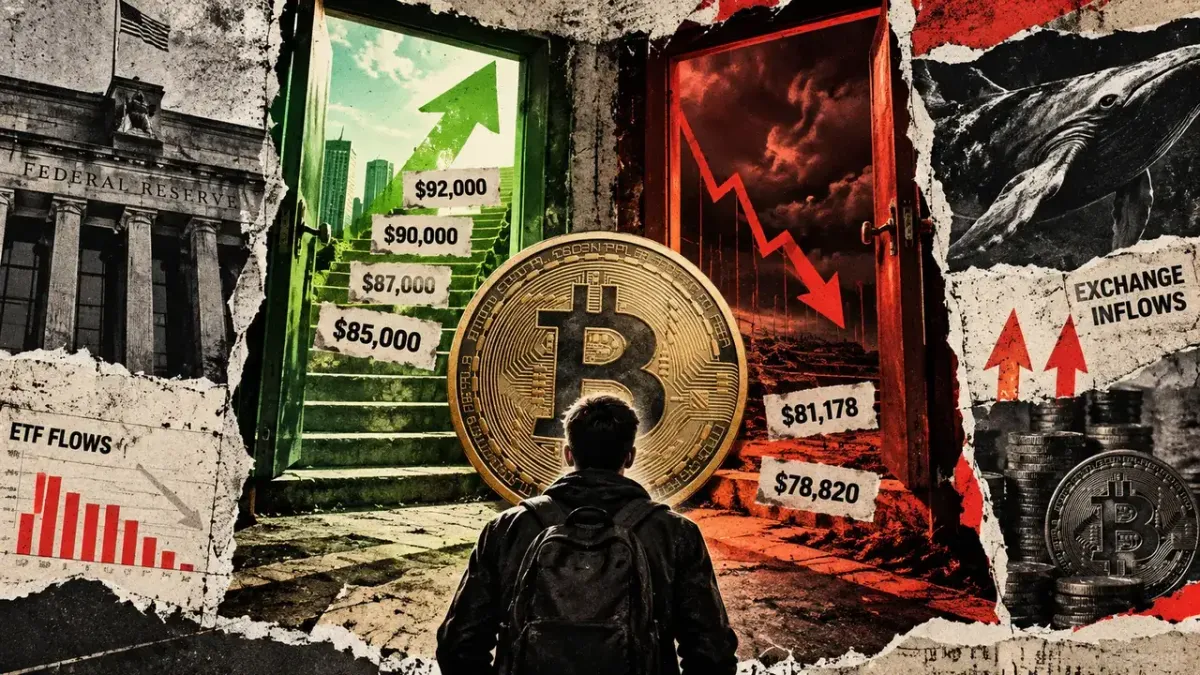
Bitcoin's weekly close above $81,000 signals potential rise to $90,000

Elon Musk's X integrates bitcoin trading options for U.S. users
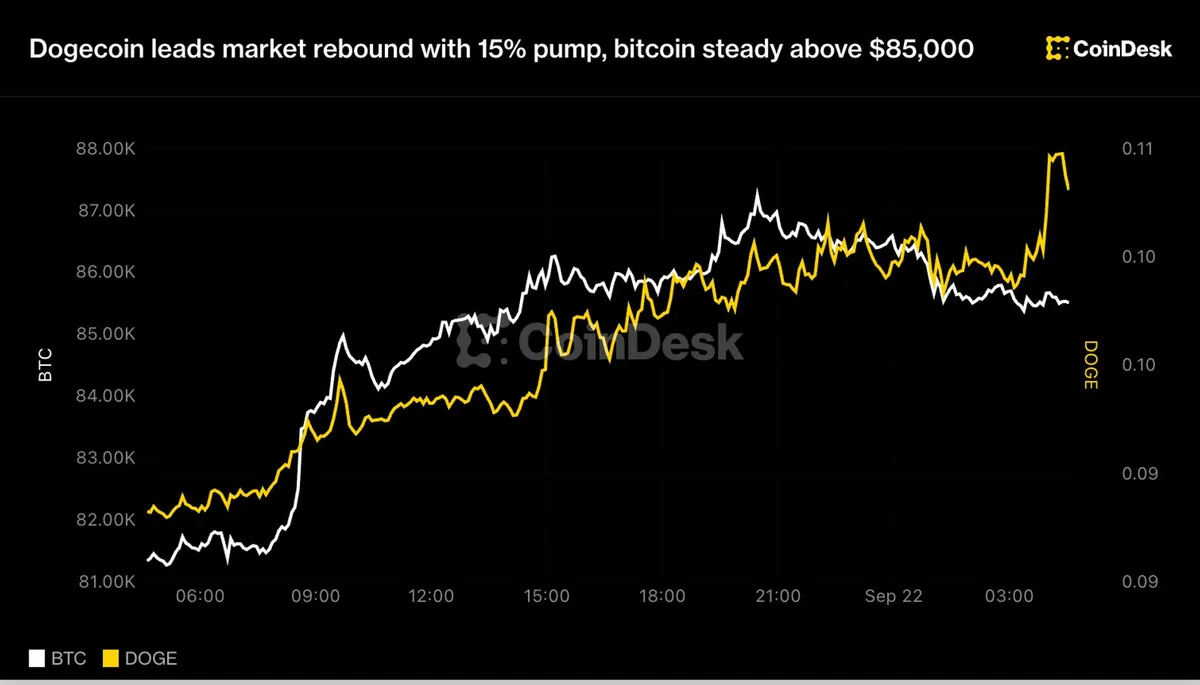
Dogecoin's 15% surge drives market recovery as bitcoin stabilizes above $85,000

Cardano adds tools for AI agent payments, joining Solana and XRP Ledger

Trueo prediction market moves from Base to Ethereum