Forget the price charts. Here's how bitcoin and S&P 500 look like when adjusted for the money printer

Recent analysis has shed light on the relationship between Bitcoin and the S&P 500 when adjusted for the growth of the M2 money supply. This adjustment reveals a stark picture for both assets, suggesting that traditional price charts may not fully capture the underlying market dynamics. By factoring in the increasing money supply, which reflects the amount of liquid cash available in the economy, analysts have illustrated how valuations of these risk assets are shaped by monetary policy. This trend raises questions about the sustainability of current price levels amid ongoing inflationary pressures and economic uncertainties.
Historically, both Bitcoin and the S&P 500 have been seen as indicators of investor confidence and risk appetite. The M2 money supply, which includes cash, checking deposits, and easily convertible near money, has been a vital tool for understanding liquidity in the market. Over the past few years, central banks have significantly increased the money supply to stimulate economies, particularly in response to the COVID-19 pandemic. This has led to soaring asset prices across various sectors, but it has also created concerns about asset bubbles and potential corrections when monetary policies tighten.
Understanding the implications of adjusting these assets for the M2 growth is crucial for investors. It highlights that the apparent strength of Bitcoin and the S&P 500 may be more a reflection of monetary expansion than intrinsic value. As inflation continues to rise, the real purchasing power of these assets could be eroding, prompting investors to reconsider their strategies. This analysis also suggests that as central banks signal a shift towards tighter monetary policies, we may see heightened volatility in both markets as participants react to changing liquidity conditions.
Industry reactions to these findings have been mixed. Some experts argue that the adjustment provides a clearer picture of the risks involved in holding these assets, especially as inflation remains a pressing concern. Others express skepticism, suggesting that Bitcoin's decentralized nature and the S&P 500's diversification may insulate them from the traditional economic metrics that govern other asset classes. Analysts emphasize the need for a nuanced understanding of how monetary policy impacts risk assets, particularly in a rapidly changing economic landscape.
Looking ahead, it will be essential to monitor how central banks respond to ongoing inflation and whether they will implement measures that could affect liquidity. As we navigate these uncertain waters, investors will need to stay informed about both macroeconomic trends and specific market dynamics. The relationship between money supply growth and asset valuations will likely continue to be a focal point for analysts and investors alike, as they seek to understand the broader implications for their portfolios in an evolving financial environment.

CoinMagnetic Team
Crypto investors since 2017. We trade with our own money and test every exchange ourselves.
Updated: June 2026
From our insights:
Related news

Bitcoin surges past $86,000 as $1 billion in shorts are liquidated, eyes on $90,000
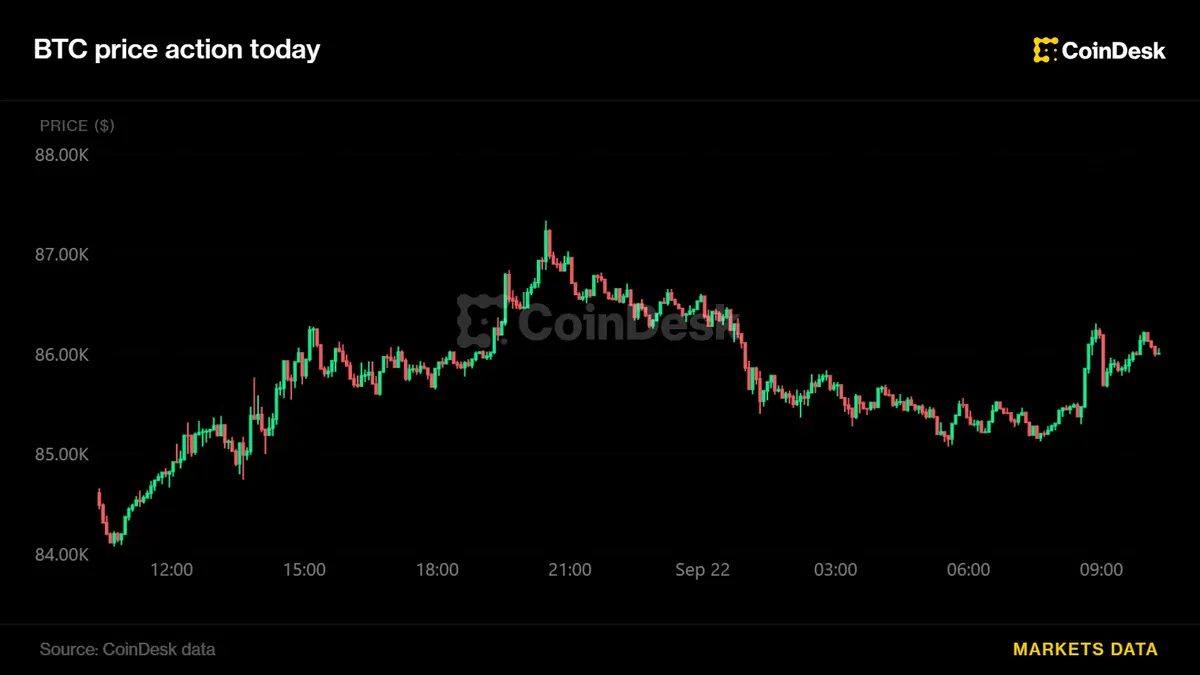
Bitcoin bounces back to $86,000 as oil prices decline and stocks rise

Prediction markets projected to reach $10 trillion by 2035, surpassing sports
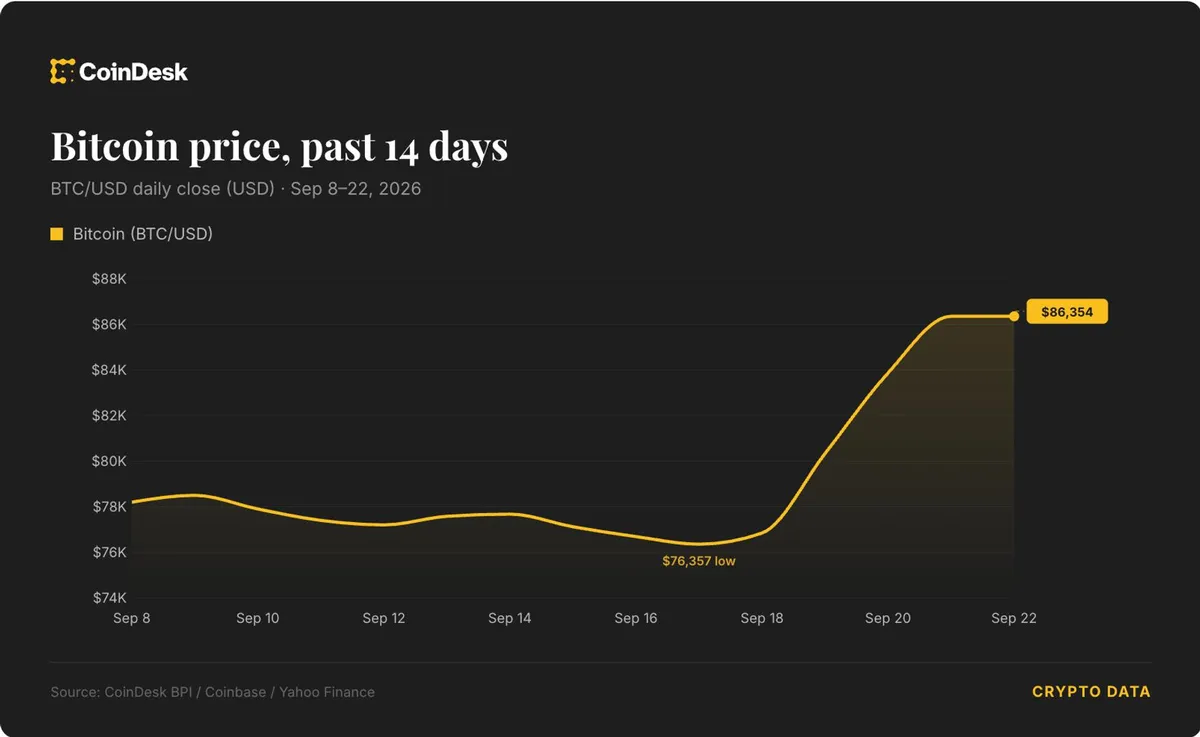
Iran hints at reopening Strait of Hormuz, WTI oil drops to $89

New altseason signal emerges as Bitcoin market cap stays under 60%