Forget the Dead-Eyed Cartoon–Meta Is Building a Photorealistic AI Clone of Zuckerberg
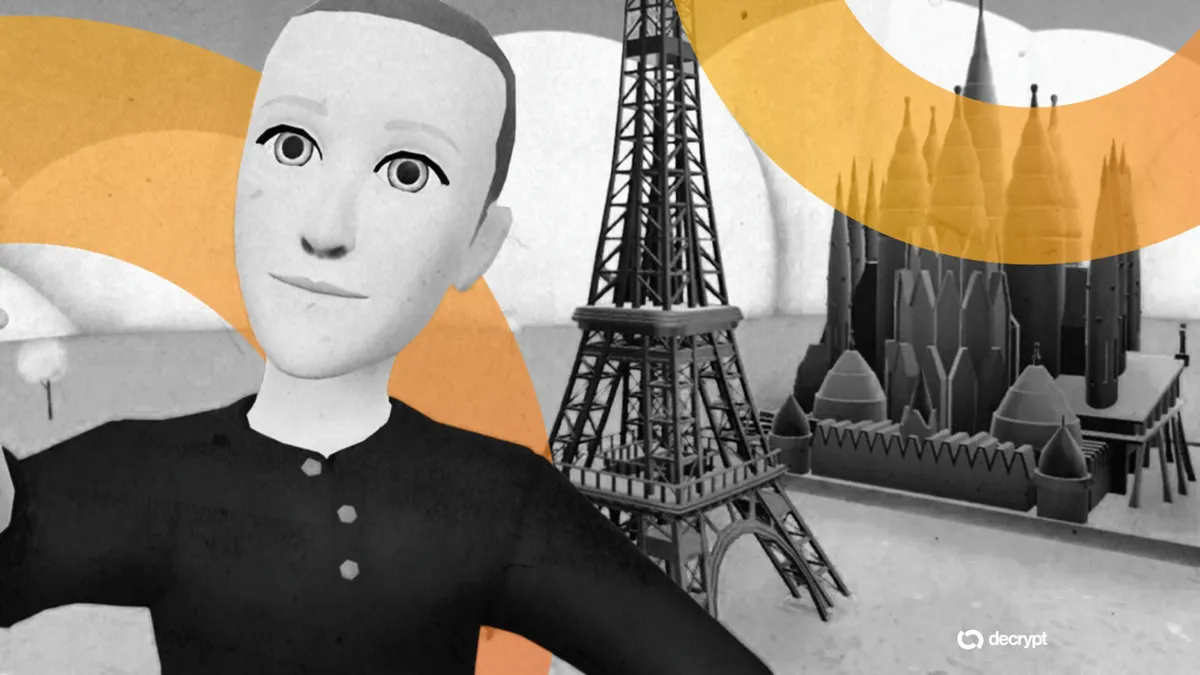
Meta has recently announced its foray into creating a photorealistic AI clone of CEO Mark Zuckerberg, a significant shift from the cartoonish avatars that previously represented him in the digital realm. This new development comes three years after Zuckerberg's Horizon Worlds avatar became a popular meme, often ridiculed for its lifeless appearance. The company aims to enhance user engagement and create more immersive experiences by employing advanced AI technology that can replicate not only Zuckerberg's likeness but also his mannerisms and voice. This initiative reflects Meta's ongoing commitment to the metaverse and the evolving landscape of digital interactions.
The push for a more realistic avatar is rooted in Meta's broader strategy to redefine social interactions in virtual environments. Since the launch of Horizon Worlds, the company has faced criticism for the quality of its avatars, which many users found unappealing and cartoonish. By pivoting to a photorealistic approach, Meta hopes to address these concerns and attract a wider audience to its metaverse platforms. The timing is crucial, as the tech industry is witnessing a surge in interest in advanced AI applications, making this a pivotal moment for Meta to leverage its resources and expertise in AI development.
The introduction of a lifelike AI clone of Zuckerberg could have significant implications for the market. As companies increasingly explore the potential of AI and virtual reality, Meta's move may set a new standard for avatar representation in the metaverse. This could spark a race among tech giants to enhance their own virtual offerings, driving innovation and investment in AI technologies. Furthermore, as Meta seeks to create more authentic and engaging experiences, it may lead to increased user retention and participation in its platforms, which are crucial for the company's long-term success.
Industry experts have expressed mixed reactions to Meta's latest venture. Some view the development as a bold and necessary step towards creating a more engaging metaverse, while others remain skeptical about the practical applications of a photorealistic avatar. Critics argue that the focus on realism might detract from the creative and imaginative aspects of virtual environments that users have come to appreciate. Nevertheless, proponents of the technology believe that a more lifelike representation of leaders like Zuckerberg could foster deeper connections and interactions among users.
Looking ahead, the success of this initiative will largely depend on how well Meta can integrate the photorealistic AI clone into its existing platforms and whether it can effectively address user feedback. As the company continues to innovate, it will be interesting to see how this new avatar impacts user experiences and whether it can indeed enhance engagement in the metaverse. With the rapid pace of technological advancements in AI and virtual reality, Meta's latest endeavor could mark a turning point in how we perceive and interact with digital personas in the future.

CoinMagnetic Team
Crypto investors since 2017. We trade with our own money and test every exchange ourselves.
Updated: April 2026
From our insights:
Related news

Iran hints at reopening Strait of Hormuz, WTI oil drops to $89

New altseason signal emerges as Bitcoin market cap stays under 60%

Bitcoin nears $86,000 as crypto market cap surpasses $3 trillion

Bitcoin's weekly close above $81,000 signals potential rise to $90,000

Elon Musk's X integrates bitcoin trading options for U.S. users