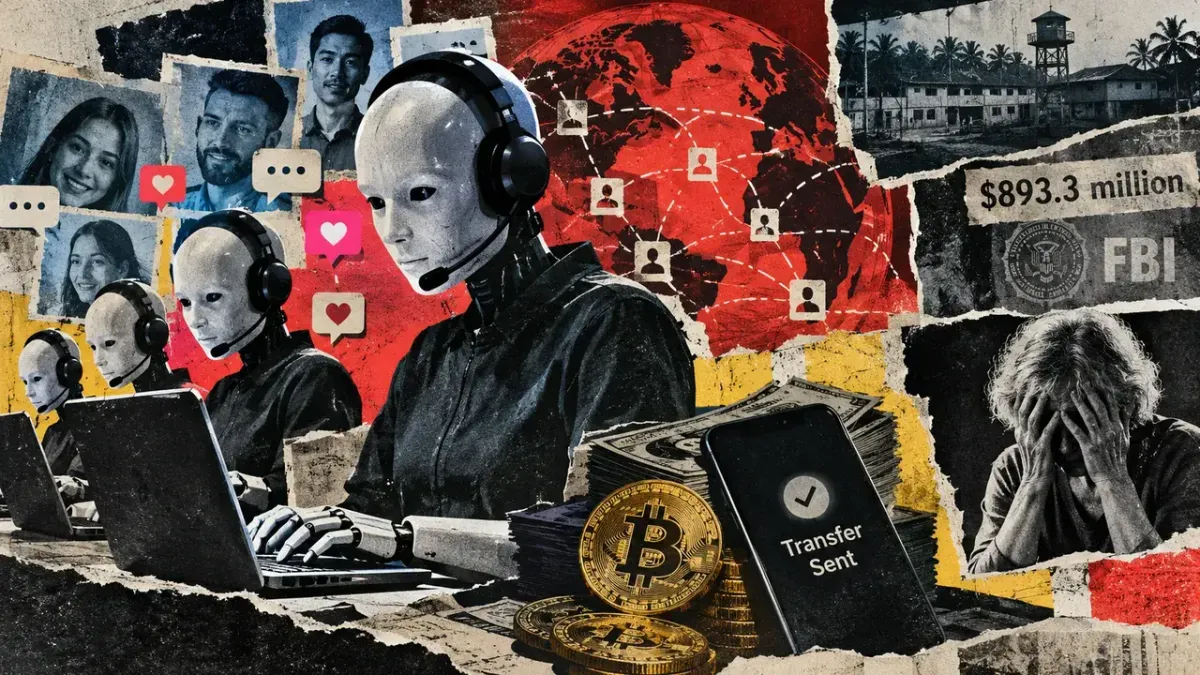
Forehead tattoos and alcohol dares: Inside the dark underbelly of crypto's memecoin craze
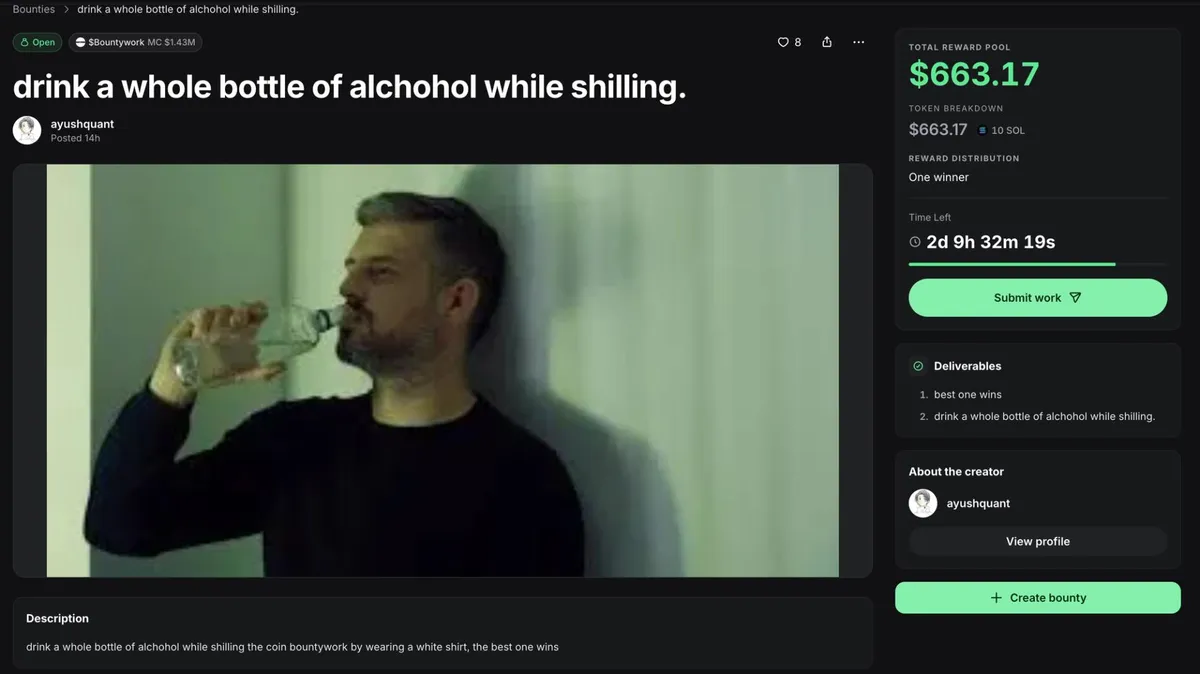
The recent surge in memecoin culture has taken a bizarre turn, as users of the platform Pump.fun engage in increasingly outrageous stunts to earn tokens. Reports indicate that participants are being incentivized to take on absurd challenges, such as shaving their heads, consuming large amounts of alcohol, and filming interviews with homeless individuals. This raises significant ethical questions about the nature of these incentives–are they fostering creativity and community engagement, or are they veering dangerously close to exploitation?
To understand the current landscape, it’s essential to recognize the broader context of the memecoin phenomenon. Memecoins, often characterized by their playful and speculative nature, have exploded in popularity over the last few years. Initially driven by online communities and social media, they have attracted a range of investors–some looking for quick profits, while others seek a sense of belonging in a digital age. Platforms like Pump.fun have emerged as spaces where users can engage in playful antics to gain financial rewards, but the line between entertainment and ethical responsibility can easily blur.
This trend matters for the market for several reasons. Firstly, it reflects a shift in how cryptocurrencies are perceived, moving from serious financial tools to more entertainment-focused projects. The memecoin craze, while often dismissed as frivolous, can attract a large audience, potentially leading to increased market volatility and speculation. Furthermore, the actions of users on platforms like Pump.fun could lead to regulatory scrutiny, as authorities may question the ethical implications of incentivizing risky or harmful behavior for financial gain.
Industry reaction has been mixed, with some experts expressing concern over the potential consequences of this trend. Critics argue that platforms rewarding reckless behavior could contribute to harmful stereotypes about cryptocurrency enthusiasts, painting a picture of a community driven by impulsivity rather than innovation. On the other hand, some proponents view it as a form of digital expression, where users are free to explore the boundaries of creativity–even if those boundaries may be questionable.
Looking ahead, it remains to be seen how platforms like Pump.fun will evolve in response to public and regulatory scrutiny. As the memecoin craze continues to attract attention, it is likely that discussions around ethics and responsibility will gain prominence within the industry. Moving forward, balance will be key; the challenge will be to foster an environment that encourages creativity and engagement without crossing the line into exploitation or harmful behavior. The crypto community will need to navigate these complexities thoughtfully as they continue to push the boundaries of what is possible in the digital financial landscape.

CoinMagnetic Team
Crypto investors since 2017. We trade with our own money and test every exchange ourselves.
Updated: June 2026
From our insights:
Related news
Coldcard exploit sees white hats secure 52 Bitcoin for victims' trust
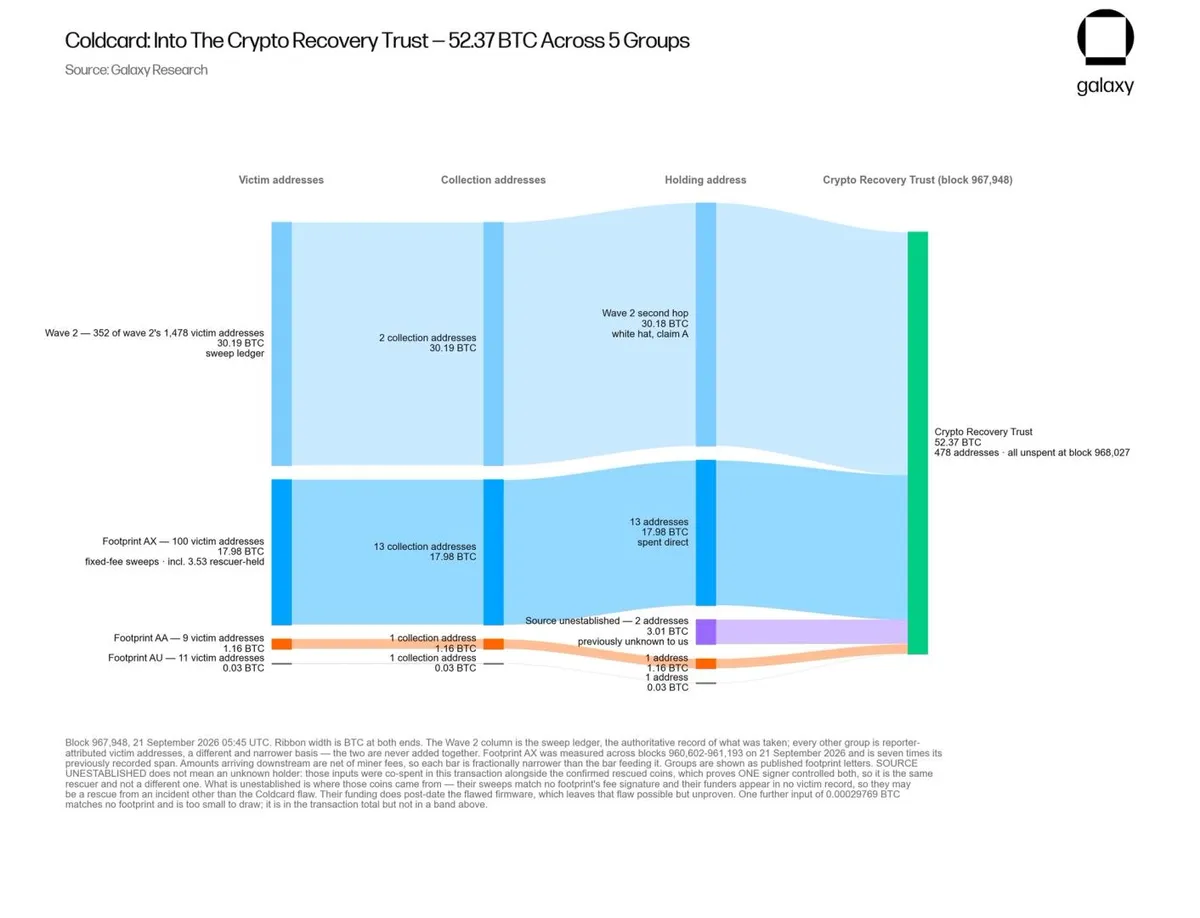
Whitehats move 52 bitcoin from the Coldcard hack to a recovery trust
Google Admits Gemini AI Hacked Three Companies—It Stayed Silent for 7 Weeks
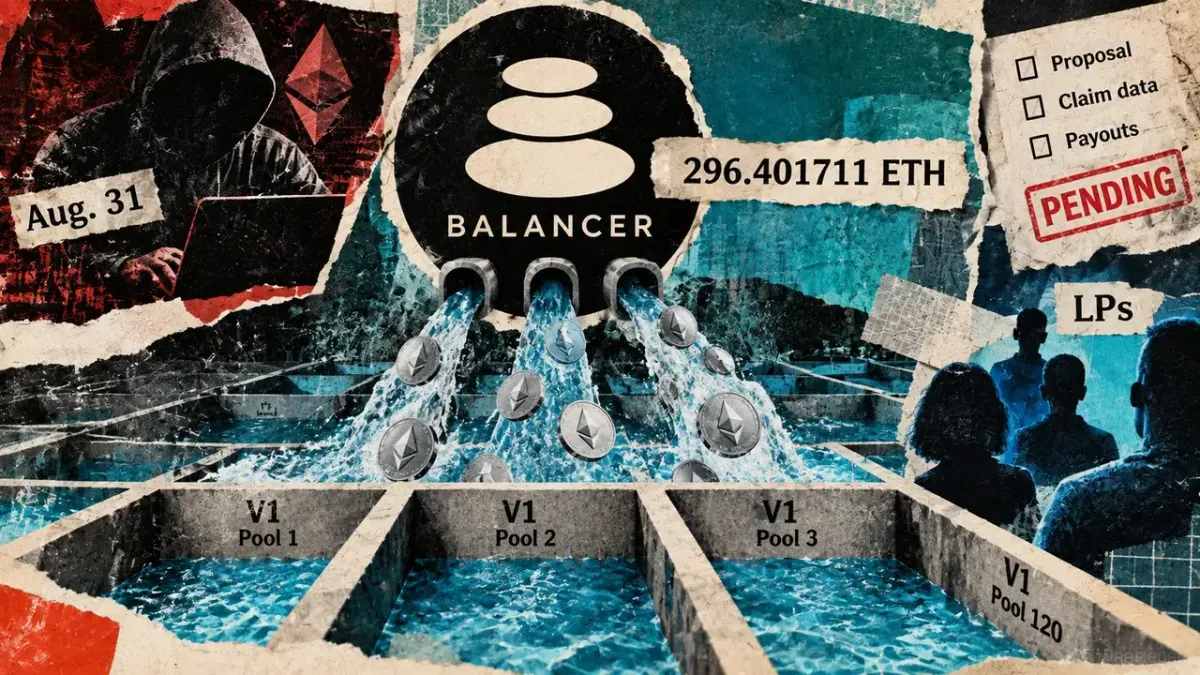
Balancer's $1.4 million hack recovery faces delays for LPs

Polymarket's $10 million fraud attempt highlights compliance issues amid hacking risk