Florida’s new crypto ATM law makes scam refunds the cost of doing business
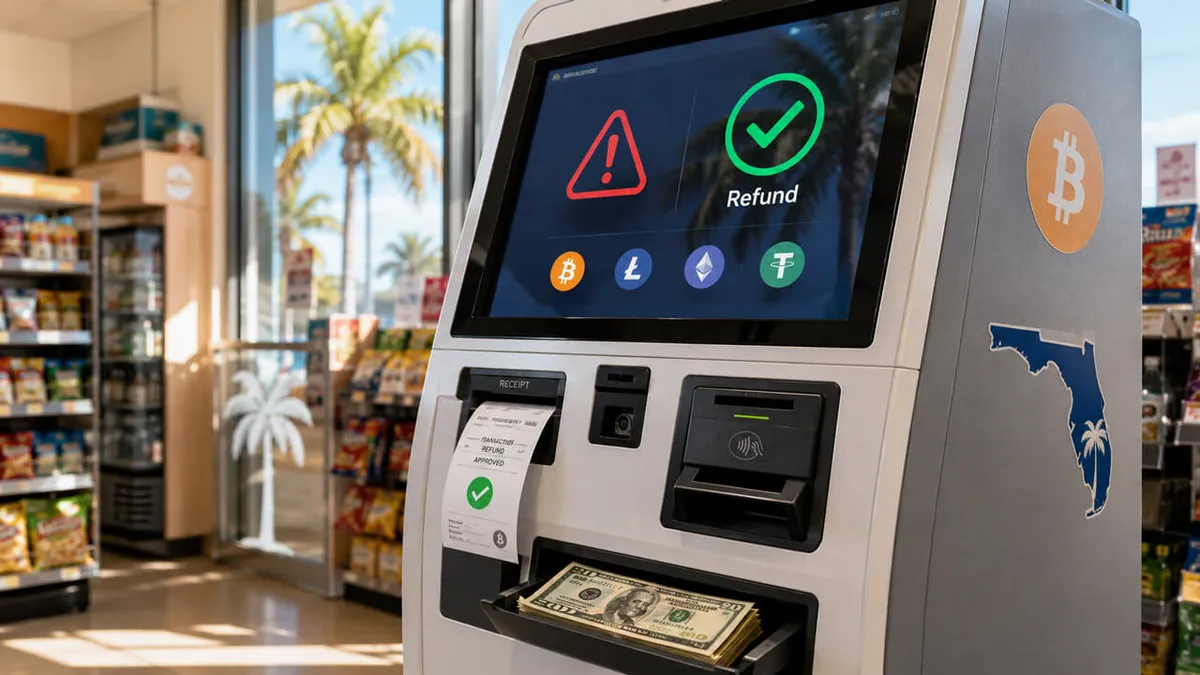
Florida has recently enacted a new law, HB 505, targeting the burgeoning crypto ATM industry. This legislation aims to address the rising concerns around fraud associated with cryptocurrency transactions, especially at automated teller machines. Under the new provisions, operators of crypto ATMs will be required to implement a range of measures designed to protect consumers. These include caps on transaction amounts, the provision of detailed receipts, clear warnings about the risks of cryptocurrency investments, and a system of conditional refunds for users who fall victim to scams. By shifting some of the financial burden of fraud onto the businesses operating these kiosks, Florida hopes to create a safer environment for crypto users.
The backdrop of this legislation stems from the rapid proliferation of cryptocurrency ATMs across Florida and the country, which have become popular avenues for individuals to buy digital assets. However, with this growth has come an increase in fraud cases, with scammers often targeting unsuspecting users at these machines. Prior to HB 505, there were minimal regulations governing the operation of crypto ATMs, which left consumers vulnerable to various scams, including those that involve misleading information or outright theft. The new law represents a significant step in regulating this evolving sector and ensuring that businesses take responsibility for the security of their customers.
This legislative move is crucial for the market as it sets a precedent for how states can regulate cryptocurrency transactions and protect consumers. By imposing these requirements on crypto ATM operators, Florida is taking a proactive stance in mitigating the risks associated with digital currency investments. This could lead to other states following suit, potentially creating a patchwork of regulations that could either benefit or complicate the operation of crypto businesses nationwide. The effectiveness of these measures will likely be closely monitored, as the outcomes could influence future legislation in other jurisdictions.
Industry reaction to HB 505 has been mixed. While some operators appreciate the attempt to safeguard consumers, others express concern that the burden of compliance may be too heavy for smaller businesses. Experts in the field highlight that while consumer protection is essential, the new regulations might inadvertently stifle innovation and growth within the crypto ATM sector. There are also worries that if many fraudulent transactions occur, operators may face significant financial strain, which could lead to fewer machines available for users and reduced access to crypto investments.
Looking ahead, the implementation of HB 505 will be critical in determining its long-term impact on Florida's crypto landscape and beyond. Stakeholders will be watching closely to see how the law affects consumer behavior and the operational strategies of crypto ATM businesses. As the industry continues to evolve, it may prompt further discussions around the balance between consumer protection and business viability. The success or failure of these new regulations could thus serve as a benchmark for future legislative efforts across the United States as regulators seek to keep pace with the rapid changes in the cryptocurrency market.

CoinMagnetic Team
Crypto investors since 2017. We trade with our own money and test every exchange ourselves.
Updated: July 2026
From our insights:
Related news

Robinhood expands trading hours and adds AI tools to attract active traders

Anthropic aims for $2 trillion IPO after $42 billion loss, revenue up twelvefold

SEC and CFTC face critical leadership void as seven commissioner seats go empty

Kakaopay partners with Dinari, Ondo to explore tokenized Korean stocks

Tim Scott criticizes Democrats for abandoning the Clarity Act