FIFA wanted Avalanche's blockchain to help curb World Cup ticket scalping. Here's how it's going

FIFA has recently turned to Avalanche's blockchain technology in an innovative move to tackle the rampant issue of ticket scalping for its prestigious events, including the World Cup. The organization aims to implement a new ticketing system that leverages blockchain's transparency and security features. This system is designed to offer fans a fairer chance of obtaining tickets at face value while minimizing the risk of fraudulent activities that often accompany high-demand events. By using Avalanche, FIFA is not only trying to enhance the ticket purchasing experience but also to ensure that the integrity of ticket sales is maintained.
The context for this initiative stems from a long history of ticketing challenges faced by sporting organizations, particularly those as globally recognized as FIFA. The World Cup attracts millions of fans, and with such high demand, the secondary market for tickets often leads to exorbitant prices and fraudulent sales. Previous attempts to address these issues have met with limited success, leading FIFA to explore blockchain as a potential solution. The Avalanche platform is known for its scalability and low transaction fees, making it a fitting choice for an organization looking to innovate in ticket distribution.
This initiative is significant for the market as it highlights a growing trend where traditional industries are increasingly adopting blockchain technology. The implications for the cryptocurrency space are profound–if successful, FIFA's partnership with Avalanche could pave the way for other major organizations to consider blockchain for various applications, particularly in ticketing and fan engagement. This could lead to increased credibility and adoption of blockchain technology in mainstream industries, which may positively impact the overall perception of cryptocurrencies.
Reactions from industry experts and stakeholders have been largely positive, with many viewing this as a potential turning point in how ticketing is managed for large-scale events. Experts laud FIFA's proactive approach in utilizing blockchain to enhance the fan experience while addressing scalping concerns. Some industry commentators are optimistic that this could serve as a model for other sports leagues and entertainment sectors, encouraging broader blockchain adoption across various facets of event management and ticketing.
Looking ahead, FIFA's pilot of the Avalanche blockchain for ticketing will be closely monitored by both the crypto community and sports fans alike. The success or failure of this initiative could set important precedents for future collaborations between sports organizations and blockchain technology. If proven effective, we may see a surge of similar projects aimed at enhancing transparency and fairness in ticket sales, which could ultimately lead to a more equitable experience for fans worldwide.

CoinMagnetic Team
Crypto investors since 2017. We trade with our own money and test every exchange ourselves.
Updated: June 2026
From our insights:
Related news

ZetaChain votes to shut down Layer 1 network and move ZETA to Solana

Solana reduces block times by 17% with latest upgrade, boosting transaction freshness

Optimism secures upgrade for Superchain to enable interoperability

Solana boosts transaction size by 3x amid surge in network activity
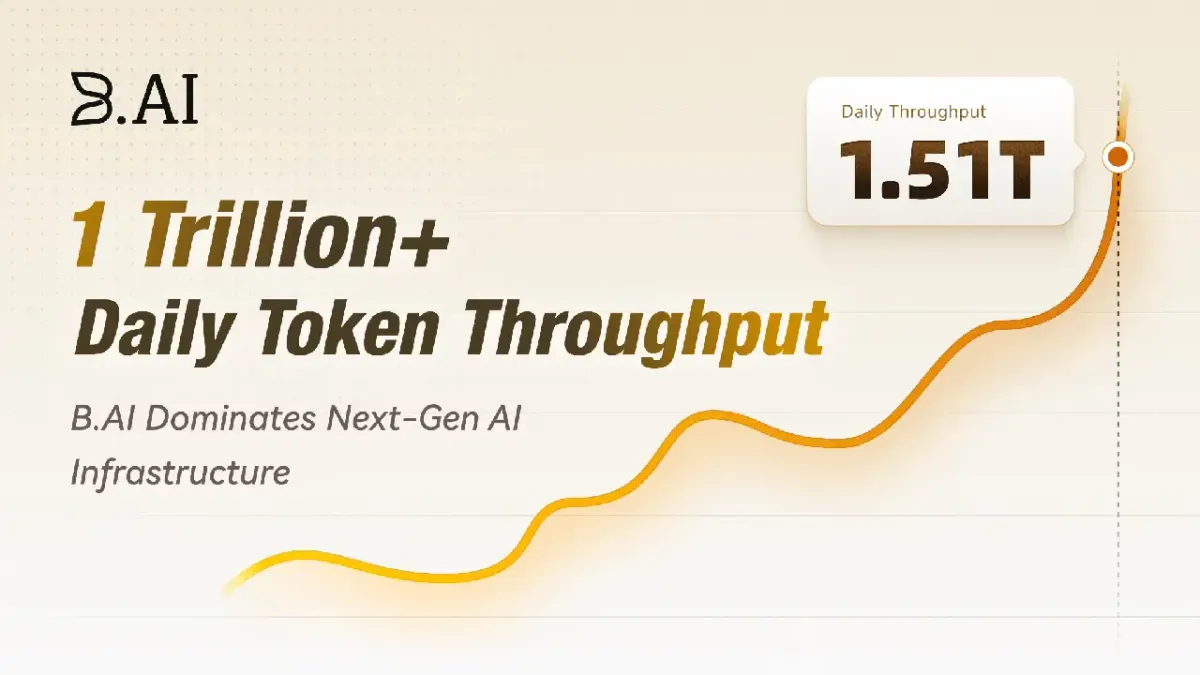
B.AI achieves record 1.51 trillion tokens daily throughput for AI infrastructure