Fidelity rebuts claims Bitcoin becomes less secure after halvings

In a recent statement, Fidelity has addressed growing concerns regarding the security of Bitcoin following its halving events. The asset management giant argues that Bitcoin's fixed supply schedule and the inherent economic principles of the network ensure its security remains intact, even as miners experience diminishing block rewards. Fidelity's response comes amid a wider debate in the crypto community about the long-term implications of halvings, which reduce the number of new bitcoins created and earned by miners, effectively impacting their revenue streams.
To understand this context, it's essential to recognize that Bitcoin undergoes a halving approximately every four years, with the most recent one occurring in May 2020. Each halving event reduces the block reward from mining by half, which in turn cuts the incentive for miners to secure the network. Critics argue that as rewards decrease, miners may find it less profitable to operate, potentially leading to a decline in the overall security of the network. However, Fidelity emphasizes that the fixed supply of Bitcoin–capped at 21 million coins–coupled with increasing demand over time, is likely to sustain miner incentives through transaction fees and price appreciation.
The implications of Fidelity's stance are significant for the broader market. As Bitcoin remains the leading cryptocurrency, its perceived security directly influences investor confidence and market stability. Concerns about network security can lead to increased volatility and uncertainty, which can deter institutional investment. By reinforcing the argument that halvings do not compromise security, Fidelity aims to instill confidence in both retail and institutional investors, potentially mitigating fears that could adversely affect Bitcoin's price and adoption rate.
Industry reactions have been varied, with some experts applauding Fidelity's commitment to supporting Bitcoin's fundamentals, while others remain skeptical about the long-term sustainability of miner incentives post-halving. Some analysts believe that increased transaction fees could offset the reduced block rewards, while others caution that if the price of Bitcoin does not rise significantly in the aftermath of a halving, miners could indeed face challenges that might lead to a less secure network.
Looking ahead, it will be crucial to monitor the behavior of miners as we approach the next halving, scheduled for 2024. Fidelity's insights may play a pivotal role in shaping market sentiment, but the real test will come from the actual performance of the network and its miners in a post-halving landscape. As the crypto space continues to evolve, understanding the dynamics between supply, demand, and network security will be vital for all stakeholders involved.

CoinMagnetic Team
Crypto investors since 2017. We trade with our own money and test every exchange ourselves.
Updated: June 2026
From our insights:
Related news

Bitcoin surpassing $85,000 production cost may reduce miner sell-off pressure
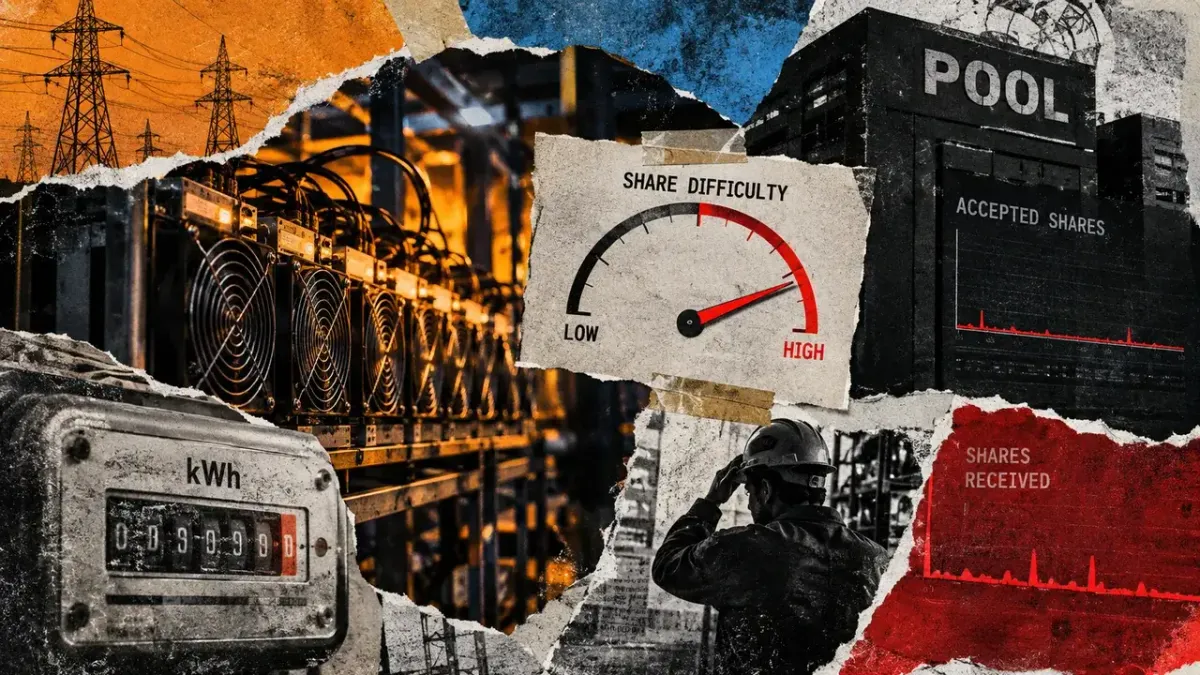
Power cuts to Bitcoin miners may paradoxically increase energy consumption
Grayscale’s Zcash ETF plans 3-for-1 split after $233 million inflow surge
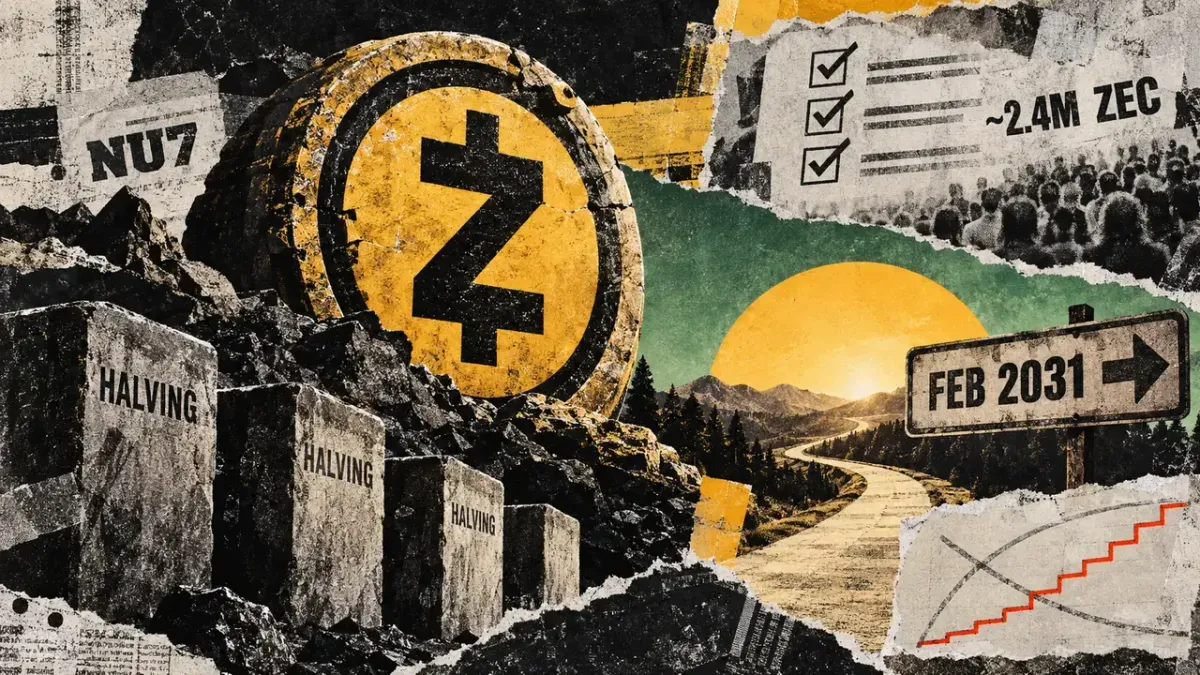
Zcash community votes to maintain halvings while delaying recycled ZEC until 2031
Zcash surges 168% in a month, nearing $1,400 after halving decision