Fidelity Digital Assets highlights 'growing evidence' of shift from dollar-based systems

Fidelity Digital Assets has recently released a report indicating a significant shift in financial systems, pointing to what they describe as "growing evidence" of nation-states and central banks moving away from dollar-based systems. The firm suggests that assets such as Bitcoin and gold are increasingly being viewed as viable alternatives for settlement, indicating a potential transformation in how global finance operates. This shift is being driven by geopolitical tensions and a desire for financial sovereignty, with nations looking for ways to reduce their reliance on the US dollar.
The context surrounding this shift is crucial to understanding its implications. For decades, the US dollar has been the world's dominant reserve currency, a status that has afforded the United States considerable economic power. However, in recent years, countries such as Russia and China have begun to explore alternatives to the dollar, driven by sanctions and trade tensions that have highlighted vulnerabilities in dollar-based systems. As central banks and governments look to diversify their reserves, assets like Bitcoin and gold have emerged as attractive options, appealing for their decentralized nature and historical role as stores of value.
This development holds significant ramifications for the broader market. If more nation-states begin to adopt cryptocurrencies or gold as alternative settlement systems, it could undermine the dollar's dominance and lead to increased volatility in traditional currency markets. Additionally, a growing acceptance of cryptocurrencies as legitimate assets could pave the way for greater institutional adoption, potentially driving prices higher and attracting more retail investors. The implications extend beyond mere currency exchange; they could shift power dynamics in international trade and finance.
Industry experts have responded to Fidelity's findings with a mix of caution and optimism. Some analysts believe that while the transition to a multipolar currency system is underway, it may take years to fully materialize. They caution that the volatility and regulatory uncertainties surrounding cryptocurrencies could deter widespread adoption among central banks. Others, however, view this shift as an opportunity for innovation in the financial landscape, suggesting that a diversified approach to assets could enhance stability and resilience in the global economy.
Looking ahead, the trajectory of this shift remains uncertain. As more data emerges and geopolitical tensions evolve, we will likely see a continued exploration of alternative settlement systems. Fidelity's report may serve as a catalyst for further discussions among policymakers and financial institutions about the future role of fiat currencies versus digital assets. The ongoing dialogue around this topic will be essential in shaping the financial landscape, as governments and central banks grapple with the implications of moving away from dollar-centric systems.

CoinMagnetic Team
Crypto investors since 2017. We trade with our own money and test every exchange ourselves.
Updated: May 2026
From our insights:
Related news
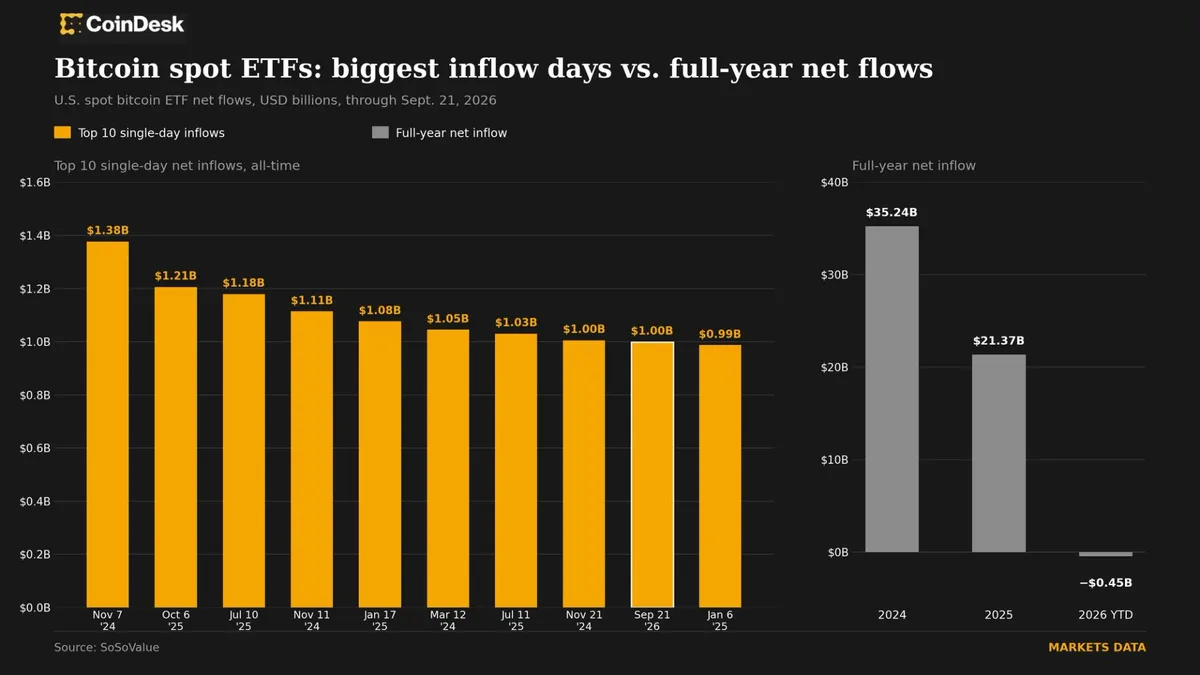
Spot bitcoin ETFs see nearly $1 billion inflow as bitcoin hits January highs

US spot Bitcoin ETFs see nearly $1 billion inflow, highest since October 2025

Bitcoin's rise to $86,000 restores profitability for ETF investors
Apple and Google seek crypto experts, signaling potential stablecoin initiatives

ECB initiates bond purchases using its own funds in crypto-linked system