Federal Reserve rolls out proposing rulemaking requiring stablecoin issuers to maintain customer identification program
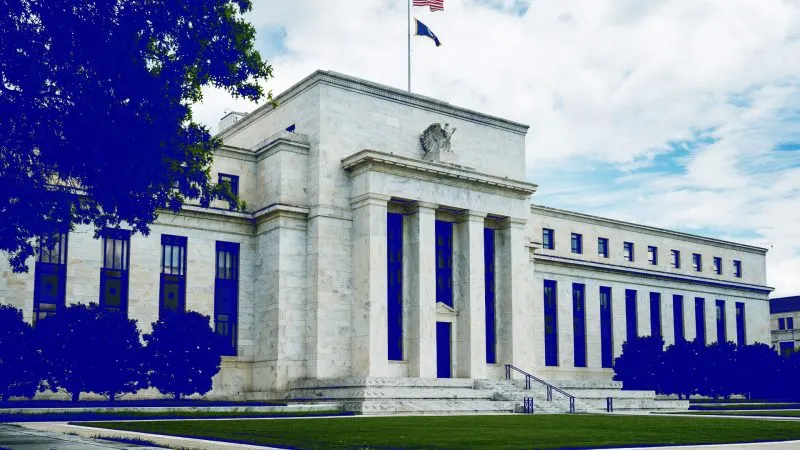
The Federal Reserve has announced a proposed rulemaking that mandates stablecoin issuers to implement customer identification programs. This initiative aims to enhance transparency and mitigate risks associated with illicit financial activities, such as money laundering and fraud. Under this new requirement, stablecoin issuers will need to establish robust protocols to identify their customers, thereby ensuring compliance with federal regulations. The move represents a significant step in the ongoing efforts to regulate the rapidly evolving stablecoin market, which has garnered increased attention from regulators due to its growing influence in the financial landscape.
The context of this proposed rulemaking can be traced back to the broader regulatory environment surrounding cryptocurrencies and digital assets. Over the past few years, stablecoins have emerged as a crucial component of the crypto ecosystem, providing a bridge between traditional fiat currencies and the decentralized world of digital assets. However, the rise of stablecoins has prompted concerns regarding their potential use in facilitating illegal activities. This has led regulators, including the Federal Reserve, to scrutinize the mechanisms behind stablecoin issuance and transactions, emphasizing the need for responsible governance and consumer protection.
This proposed rule is particularly significant for the market as it underscores the increasing regulatory scrutiny facing the crypto industry. By requiring stablecoin issuers to implement customer identification programs, the Fed is signaling a commitment to ensuring that the digital asset space operates within established legal frameworks. This could lead to a more stable environment for investors and users alike, as clarity around compliance requirements may foster greater confidence in the use of stablecoins. Ultimately, this move could also pave the way for more mainstream adoption of digital assets, as institutional players may feel more secure participating in a regulated ecosystem.
Industry reactions to the proposed rulemaking have been mixed. Some experts view this as a necessary step toward legitimizing the stablecoin market, arguing that proper identification protocols could help build trust among users and investors. Others, however, express concerns that stringent regulations may stifle innovation within the sector. There is a fear that overly burdensome compliance requirements could lead to fewer players in the market, ultimately reducing competition and choice for consumers. As the industry grapples with these regulatory changes, it will be crucial for stakeholders to engage constructively with regulators to ensure that the rules are practical and conducive to growth.
Looking ahead, it remains to be seen how the proposed rule will evolve as it goes through the public comment period and potential revisions. Stakeholders in the crypto and financial sectors will likely be watching closely for any developments, as the final version of the rule could have significant implications for how stablecoins are issued and managed in the future. As the regulatory landscape continues to shift, stablecoin issuers may need to adapt quickly to comply with new requirements, shaping the way they operate and interact with customers in an increasingly regulated environment.

CoinMagnetic Team
Crypto investors since 2017. We trade with our own money and test every exchange ourselves.
Updated: June 2026
From our insights:
Related news

Bitcoin's weekly close above $81,000 signals potential rise to $90,000

Elon Musk's X integrates bitcoin trading options for U.S. users
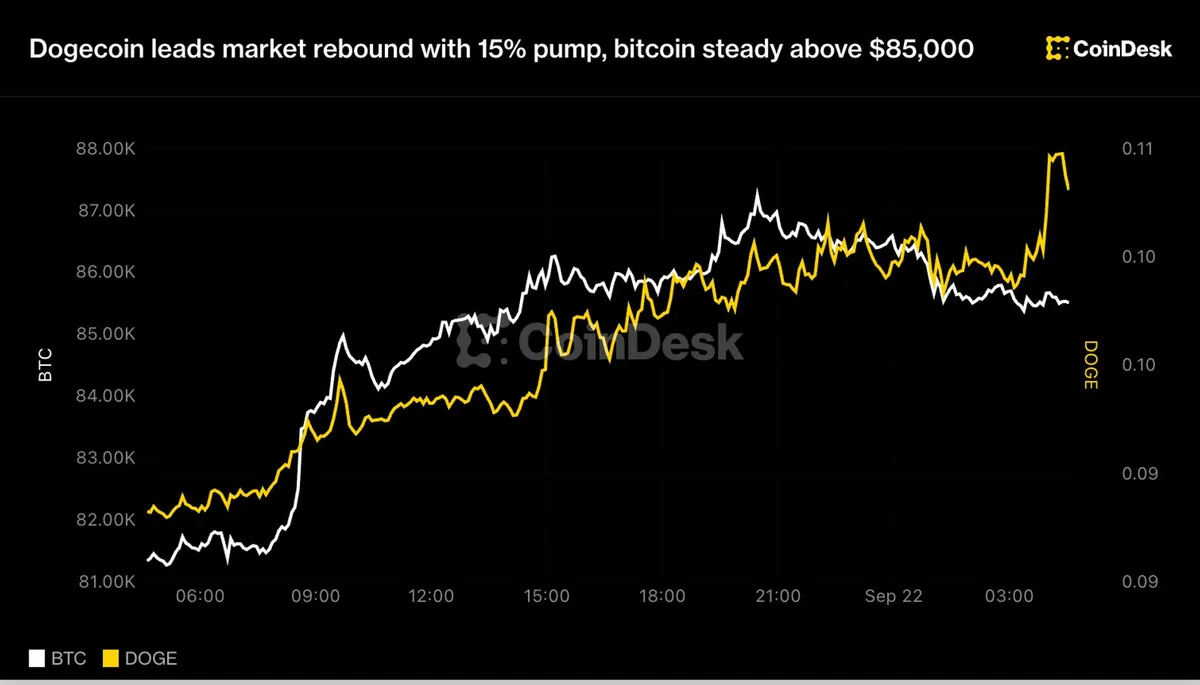
Dogecoin's 15% surge drives market recovery as bitcoin stabilizes above $85,000

Cardano adds tools for AI agent payments, joining Solana and XRP Ledger

Trueo prediction market moves from Base to Ethereum