Federal Reserve proposes limited master accounts long pursued by crypto firms

The U.S. Federal Reserve has recently unveiled a revised proposal aimed at the structure of payment accounts, which includes the introduction of limited master accounts. This development marks a significant step forward for the ongoing discussions around so-called "skinny accounts," a concept that has been long pursued by cryptocurrency firms seeking better access to banking infrastructure. The proposal outlines the Fed's vision for simplifying account structures to enhance access and efficiency in the payment system, which could pave the way for greater participation from digital asset firms in the financial ecosystem.
To understand the implications of this proposal, it is essential to consider the background of the discussions surrounding payment accounts. The concept of limited master accounts has been under consideration for some time, driven by the desire to provide financial institutions, particularly smaller banks and fintechs, with more streamlined access to Federal Reserve services. In the context of the growing cryptocurrency sector, which often struggles with banking relationships, the introduction of these accounts could provide a much-needed bridge between traditional finance and the digital asset world. By offering simpler account structures, the Fed is acknowledging the evolving landscape of finance and the increasing demand for innovative payment solutions.
This proposal matters significantly for the market as it could potentially reshape how cryptocurrency firms interact with traditional banking systems. By enhancing access to Federal Reserve accounts, the Fed is opening the door for more crypto-related businesses to engage in mainstream finance without the cumbersome barriers that have historically limited their operations. This could lead to an increase in liquidity and adoption of digital assets, as easier access to banking services may encourage more businesses to enter the crypto space. The move could also stimulate competition among financial institutions, as they may seek to attract crypto firms looking for reliable banking partners.
Industry reactions to the proposal have been mixed but largely optimistic. Many experts believe that the Fed's initiative reflects a growing recognition of the importance of digital assets in the modern financial landscape. Some industry leaders have expressed hope that this could lead to greater regulatory clarity and support for the crypto sector, potentially helping to legitimize digital currencies in the eyes of traditional investors. However, there are also concerns that limited master accounts might not go far enough in addressing the broader challenges faced by crypto firms, such as regulatory compliance and the need for comprehensive banking solutions.
Looking ahead, the next steps will involve gathering feedback on the proposal and determining how these limited master accounts can be effectively implemented. As the Fed continues to refine its approach, it will be crucial to monitor how this development influences the relationship between cryptocurrency firms and the banking sector. The outcome of these discussions could set important precedents for future regulations and the overall integration of digital assets into the financial system, making it a critical moment for both the crypto industry and traditional finance.

CoinMagnetic Team
Crypto investors since 2017. We trade with our own money and test every exchange ourselves.
Updated: May 2026
From our insights:
Related news

Bitcoin surges past $86,000 as $1 billion in shorts are liquidated, eyes on $90,000
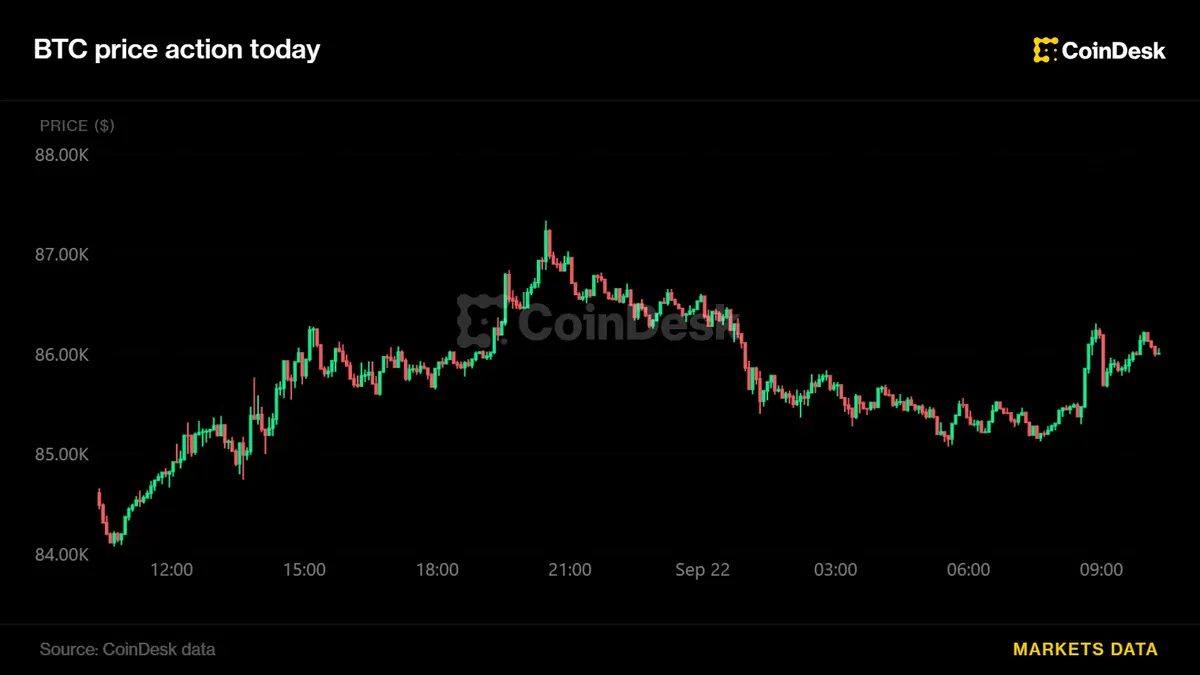
Bitcoin bounces back to $86,000 as oil prices decline and stocks rise

Prediction markets projected to reach $10 trillion by 2035, surpassing sports
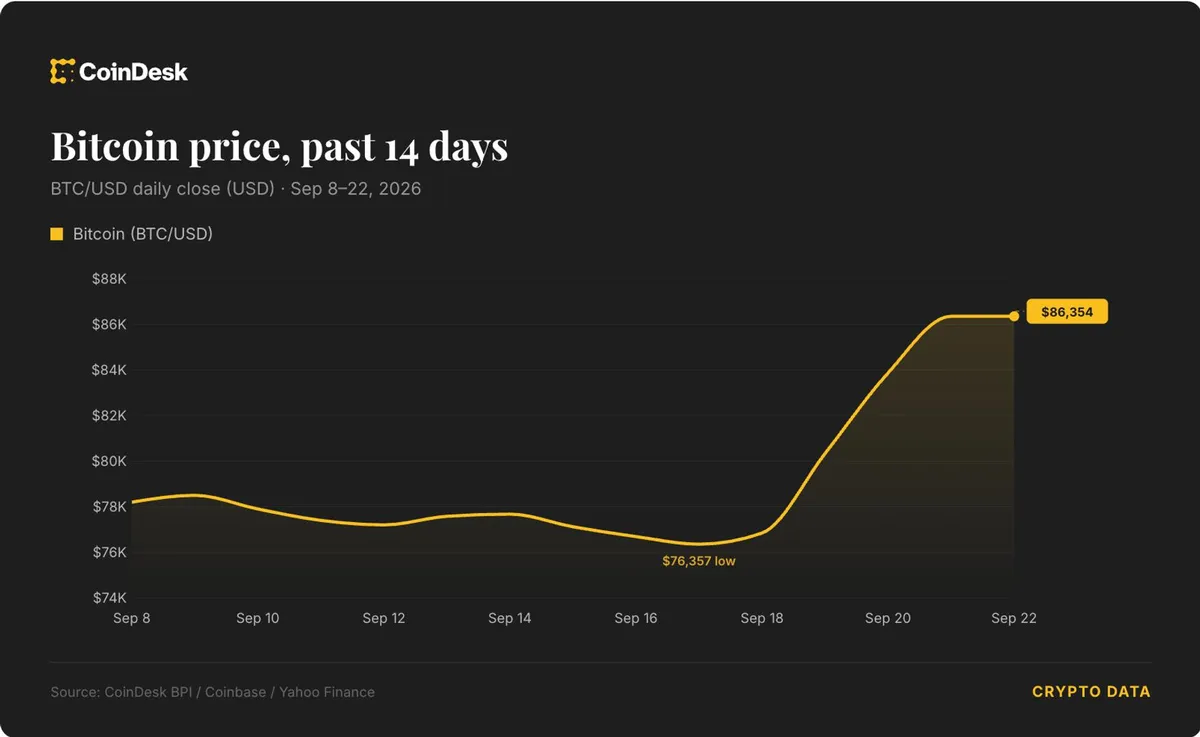
Iran hints at reopening Strait of Hormuz, WTI oil drops to $89

New altseason signal emerges as Bitcoin market cap stays under 60%