Fed Chair Warsh highlights AI's pivotal economic role at Jackson Hole
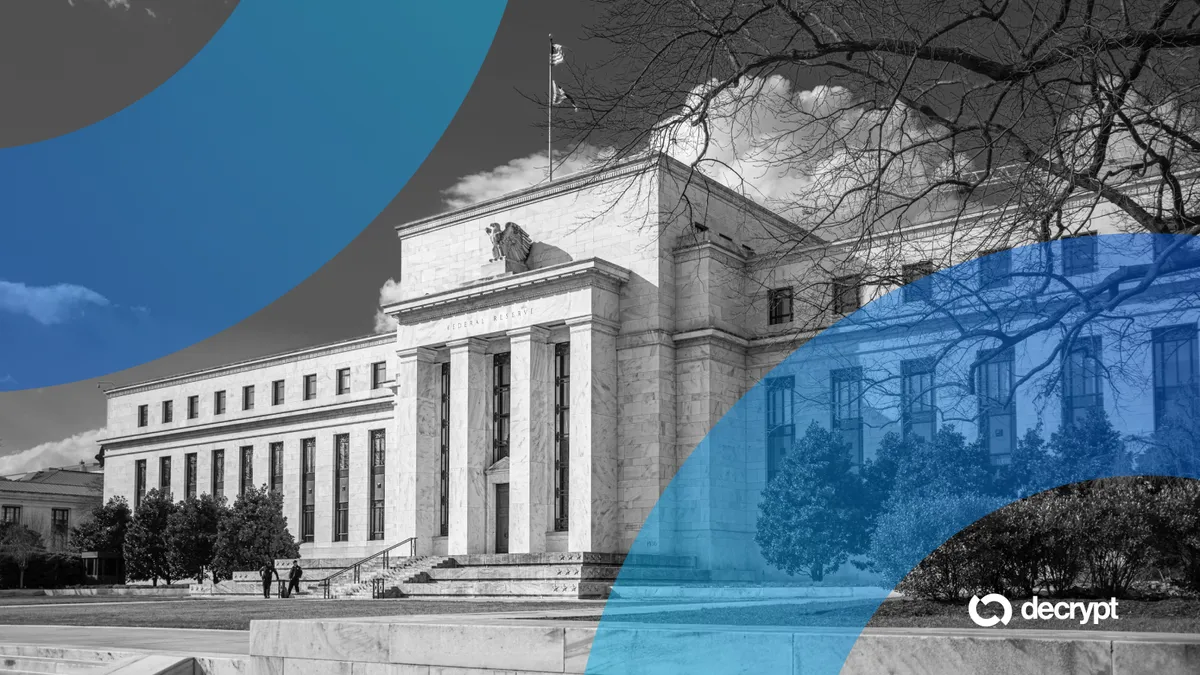
During a recent speech at the Jackson Hole Economic Symposium, Federal Reserve Chair Kevin Warsh emphasized the transformative potential of artificial intelligence (AI) on the economy. He referred to AI as a 'hinge point in history,' signaling its ability to redefine economic structures, labor markets, and productivity levels. Warsh outlined several key implications of AI's integration into various sectors, pointing to both opportunities and challenges that lie ahead for policymakers and businesses alike.
The context of Warsh's remarks comes amid a growing consensus among economists and industry leaders regarding the disruptive nature of AI technologies. As organizations increasingly adopt AI tools, the potential for enhanced efficiency and innovation has sparked discussions about the future of work and economic growth. Warsh's focus on AI at a prestigious event such as Jackson Hole underscores the importance of addressing these developments in the context of monetary policy and economic stability.
This discussion is particularly significant for the financial markets, as AI has the potential to influence inflation rates, employment figures, and overall economic output. Investors are closely monitoring how central banks, including the Federal Reserve, will adapt their policies in response to the evolving landscape shaped by AI. The acknowledgment of AI as a critical factor in economic planning may lead to shifts in investment strategies and asset allocation as market participants seek to navigate this new paradigm.
Industry reactions to Warsh's comments have been varied, with many experts praising the recognition of AI's impact while cautioning against over-optimism. Some analysts argue that while AI can drive economic growth, it also raises ethical concerns and the potential for job displacement. The balance between leveraging AI for productivity gains and ensuring equitable outcomes for workers will be a crucial point of debate among economists and policymakers in the coming years.
Looking ahead, the integration of AI into the economy will likely continue to shape discussions at future economic forums and symposiums. As more leaders recognize the importance of this technology, we may see a concerted effort to develop frameworks and policies that harness AI's benefits while addressing its risks. The dialogue initiated by Warsh's speech is just the beginning of what promises to be a significant journey in understanding and managing the economic implications of AI.

CoinMagnetic Team
Crypto investors since 2017. We trade with our own money and test every exchange ourselves.
Updated: August 2026
From our insights:
Related news

Standard Chartered brings RLUSD custody to Dubai with LMAX collateral integration

Defunct exchange FTX turns its 20 percent Genesis Digital Assets stake toward AI
Meta's Muse Wonder surpasses GPT-6 Astra in key AI tests but ranks below Opus 5.5
StoneX lifts Securitize target to $18 on Solana tokenized stocks

Bermuda tokenized catastrophe bond aims to close disaster insurance gap