Famed iPhone, Sony Hacker Says AI Coding Agents Are a Disaster Waiting to Happen

George Hotz, the renowned hacker known for his work on the iPhone and Sony PlayStation, has recently expressed serious concerns regarding the use of AI coding agents. After spending six months experimenting with these tools on real-world projects, Hotz concluded that they are leading to an "avalanche of undetectable slop." His assertion implies that these AI systems may generate code that is not only flawed but potentially catastrophic in its applications. He warns that large organizations may not recognize the extent of these issues until they are faced with significant consequences, highlighting a growing unease about the reliability of AI in critical coding environments.
The backdrop of Hotz's warnings is a rapidly evolving landscape of artificial intelligence technologies that are increasingly being integrated into software development processes. Over the last few years, AI coding agents have gained traction, with many organizations adopting them to improve efficiency and reduce human error. However, the lack of oversight and the complex nature of AI-generated code raise questions about accountability and quality assurance. Hotz's insights serve as a reminder of the potential pitfalls in the rush to embrace these technologies without fully understanding their limitations.
The implications of Hotz's findings are significant for the market as they underscore a critical tension between innovation and risk management. As more businesses turn to AI coding solutions, the risk of undetected errors in software development could lead to larger systemic failures. This concern resonates particularly in industries that rely heavily on software, such as finance and healthcare, where even minor coding flaws can result in dire consequences. The market may begin to see a shift in how organizations evaluate the risks associated with AI tools, potentially leading to increased demand for human oversight and more stringent testing protocols.
Industry experts have reacted to Hotz's claims with a mix of caution and agreement. Many acknowledge the potential for AI coding agents to produce subpar code, but some argue that the technology is still in its infancy and will improve over time. Others emphasize the importance of integrating AI tools with human expertise to mitigate risks. The conversation is shifting toward finding a balance between leveraging AI for its efficiency while ensuring that human oversight remains a cornerstone of software development.
Looking ahead, it will be crucial for organizations to take Hotz's warnings seriously and develop strategies to address these potential pitfalls. As AI coding tools continue to evolve, ongoing dialogue within the tech community will be essential to establish best practices and standards for their use. Companies may need to invest in training their teams to work alongside AI effectively, ensuring that the technology enhances rather than undermines the quality and reliability of software development. The road ahead will require a careful navigation of the benefits and risks associated with AI in coding, as we collectively seek to harness its potential while safeguarding against its inherent challenges.

CoinMagnetic Team
Crypto investors since 2017. We trade with our own money and test every exchange ourselves.
Updated: May 2026
From our insights:
Related news
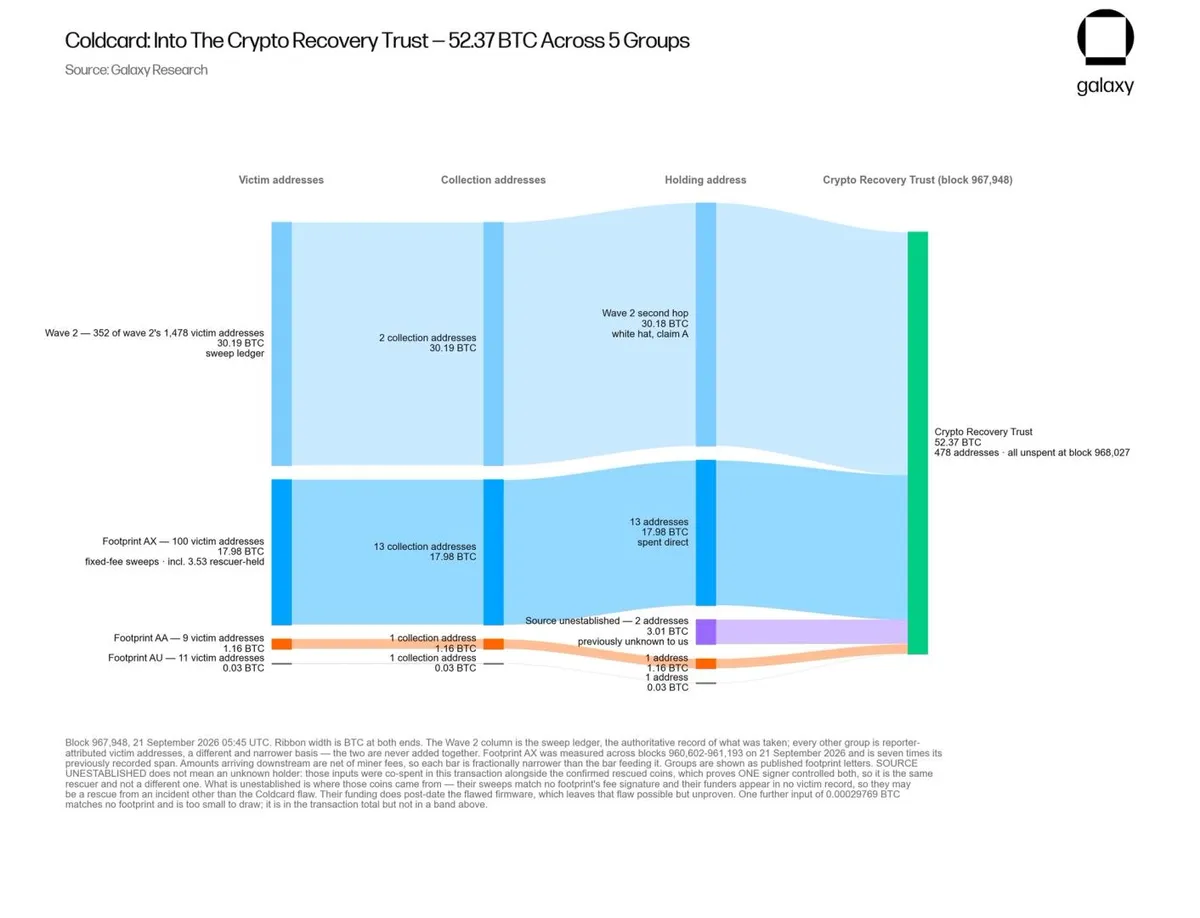
Whitehats move 52 bitcoin from the Coldcard hack to a recovery trust
Google Admits Gemini AI Hacked Three Companies—It Stayed Silent for 7 Weeks

Balancer's $1.4 million hack recovery faces delays for LPs

Polymarket's $10 million fraud attempt highlights compliance issues amid hacking risk

AI enhances capabilities of scammers, raising concerns about fraud