Ex-UK Chancellor backs bitcoin as alternative to failing systems

Kwasi Kwarteng, the former UK Chancellor, has recently made headlines by endorsing Bitcoin as a viable alternative to traditional financial systems that seem to be failing. In light of the current turmoil in the UK market and what he describes as a fiscal “doom loop,” Kwarteng has switched gears and invested in Bitcoin through the platform Stack BTC. His comments highlight not only his personal investment decisions but also reflect a growing sentiment among some politicians and financial experts that crypto assets may provide a hedge against the instability of conventional economic structures.
The backdrop to Kwarteng's remarks is the ongoing economic challenges faced by the UK, including soaring inflation rates and a cost-of-living crisis. These issues have led to widespread discontent among citizens and increased scrutiny of government fiscal policies. Kwarteng, who served as Chancellor for a brief period, has firsthand experience with the ramifications of economic mismanagement, making his pivot to cryptocurrency particularly noteworthy. His shift underscores a broader trend where individuals in positions of power are reconsidering the role of digital assets in a rapidly changing financial landscape.
This endorsement of Bitcoin by a prominent political figure could have significant implications for the market. It may bolster confidence among investors who view Bitcoin as a store of value and a safeguard against inflation. Kwarteng's advocacy could also attract new investors who may have previously been skeptical about cryptocurrencies. As traditional financial systems continue to exhibit signs of strain, the appeal of decentralized assets like Bitcoin may grow, leading to increased market participation and potentially influencing price dynamics.
Industry experts have responded to Kwarteng's comments with a mix of intrigue and caution. Some see his endorsement as a sign that mainstream acceptance of Bitcoin is gaining traction, while others warn that political support should not be conflated with financial stability. The volatility of cryptocurrencies remains a concern, and many analysts urge caution when considering them as a long-term investment. Nevertheless, Kwarteng's move has sparked discussions about the potential for cryptocurrencies to play a larger role in mainstream finance, especially during times of economic uncertainty.
Looking ahead, it will be interesting to see how Kwarteng's statements influence both political and market dynamics around cryptocurrencies in the UK. As more influential figures embrace Bitcoin, we may witness a shift in regulatory perspectives and market acceptance. The ongoing dialogue about the role of digital currencies in the economy will likely continue to evolve, prompting further exploration of how these assets can coexist with traditional financial systems. As the landscape changes, both investors and policymakers will need to stay informed and adaptable in this rapidly shifting environment.

CoinMagnetic Team
Crypto investors since 2017. We trade with our own money and test every exchange ourselves.
Updated: April 2026
From our insights:
Related news

Bitcoin price targets $86K support as oil falls under $90

GameStop possibly forfeits $31 million in Bitcoin gains from options trade

Researchers trace 1.1 million Bitcoin to early miner but Satoshi's identity remains unclear

Bitcoin, ether perpetual volumes on Kalshi are dominated by an unusual, repetitive trade, data shows
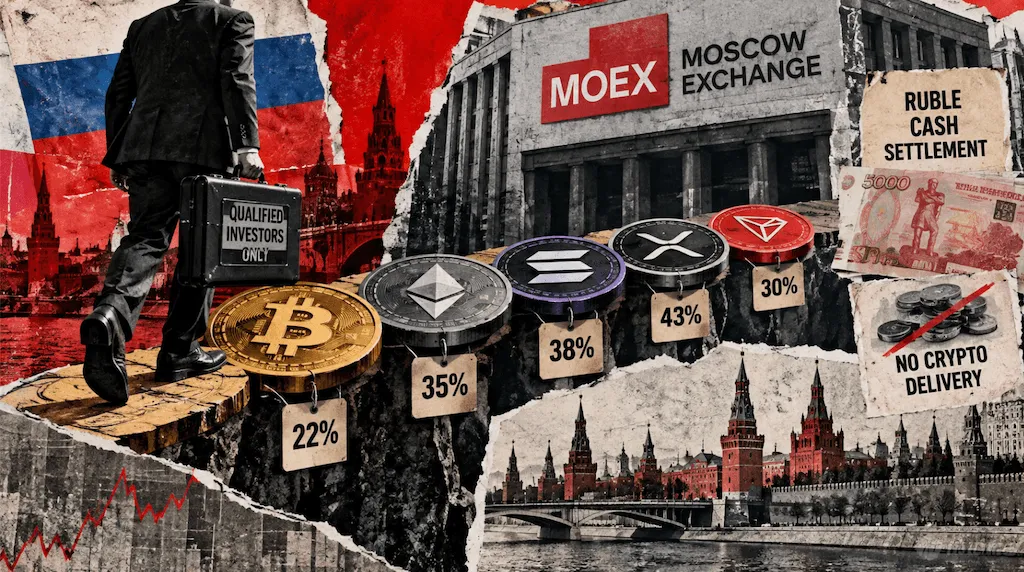
Moscow Exchange introduces 5 crypto perpetual futures amid 600 billion ruble demand