Bitcoin tends to outperform gold and stocks after global shocks, Mercado Bitcoin finds

A recent study by Mercado Bitcoin has provided intriguing insights into how Bitcoin behaves in the aftermath of global economic or geopolitical shocks. Analyzing 60-day windows following significant events, the research found that Bitcoin consistently outperformed both gold and the S&P 500 in terms of returns. This trend suggests that Bitcoin may be evolving into a more robust asset class that can offer investors a hedge against turmoil, positioning it as a potentially attractive alternative to traditional safe-haven assets.
To better understand this phenomenon, it is essential to consider the historical context of Bitcoin's performance relative to gold and stocks. Traditionally, gold has been viewed as a safe haven during times of crisis, while equities often suffer from increased volatility. However, the rise of Bitcoin has fundamentally shifted perceptions of digital currencies in financial markets. Since its inception, Bitcoin has been characterized by its decentralized nature and limited supply, traits that appeal to investors seeking alternatives to fiat currencies and traditional assets.
The implications of these findings are significant for the broader market. As investors increasingly turn to Bitcoin for stability during turbulent times, we may see a shift in asset allocation strategies. If Bitcoin continues to show resilience and outperformance during crises, it could solidify its position as a mainstream investment option, challenging the long-standing dominance of gold and equities as go-to assets in times of uncertainty. This trend could further enhance Bitcoin's legitimacy and acceptance among institutional investors, thereby increasing its market capitalization and stabilizing its price over time.
Industry reactions to the study have been varied but largely positive. Many experts point to the findings as a validation of Bitcoin's role in modern investment portfolios. Analysts suggest that if Bitcoin maintains this performance trend, it might encourage more investors to diversify their holdings to include cryptocurrencies. However, caution is still advised, as the cryptocurrency market remains highly volatile and influenced by various external factors, including regulatory changes and technological developments.
Looking ahead, the question remains whether Bitcoin can sustain this momentum in the face of ongoing global challenges. Investors will be closely monitoring how Bitcoin responds to future shocks, as well as the potential for new regulatory measures that could impact its adoption. The continued evolution of Bitcoin, alongside traditional assets, will undoubtedly shape the investment landscape in the years to come, and we will be watching closely as these dynamics unfold.

CoinMagnetic Team
Crypto investors since 2017. We trade with our own money and test every exchange ourselves.
Updated: April 2026
From our insights:
Related news

GameStop possibly forfeits $31 million in Bitcoin gains from options trade

Researchers trace 1.1 million Bitcoin to early miner but Satoshi's identity remains unclear
Bitcoin, ether perpetual volumes on Kalshi are dominated by an unusual, repetitive trade, data shows
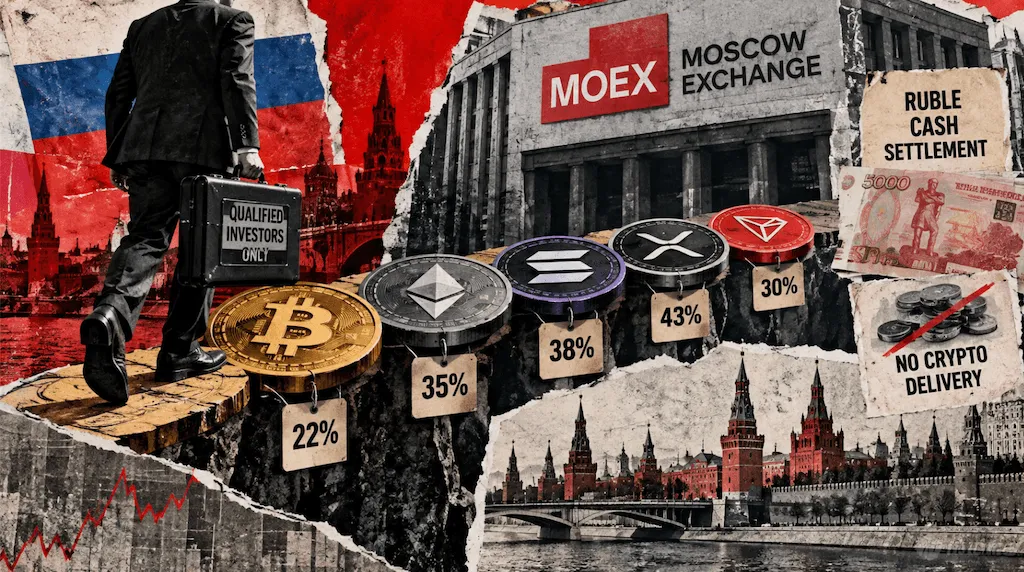
Moscow Exchange introduces 5 crypto perpetual futures amid 600 billion ruble demand

SoFi begins stablecoin settlement on Mastercard network for program expected to exceed $25 billion in annualized volume