Digital asset treasuries must now earn their keep

In the evolving landscape of digital asset treasuries, a pressing need for these entities to demonstrate their value has emerged. As cryptocurrency markets continue to mature, the focus is shifting from merely holding assets to effectively managing them in ways that yield tangible benefits. Kiernan highlights three broad strategies that treasuries can adopt to remain competitive and relevant in this fast-paced environment. These strategies aim not only to enhance returns but also to align with the overall goals of the organizations that manage these treasuries.
Historically, digital asset treasuries were often established as a means of holding cryptocurrency as a hedge against volatility or as a speculative investment. Many organizations entered the crypto space during periods of significant price surges, driven by optimism and the potential for high returns. However, as the market has matured, the initial excitement has given way to a more sophisticated understanding of asset management. The need for treasuries to evolve from passive holders to active managers has become increasingly clear, especially in light of recent market fluctuations and regulatory developments.
The implications of this shift for the broader market are noteworthy. As treasuries begin to seek out innovative strategies for asset management, we may see a ripple effect that influences market dynamics. For instance, if treasuries adopt more active management practices, it could lead to increased trading volumes and liquidity in the crypto market. Furthermore, as these entities strive to optimize their holdings, there may be a greater emphasis on risk management and diversification, which could ultimately stabilize prices in the long run.
Industry reaction to this new focus on performance and strategy has been mixed. Some experts applaud the move towards a more proactive approach, arguing that it represents a maturation of the crypto ecosystem. Others, however, caution that the pressure to deliver results could lead to short-term thinking and riskier decisions that may not align with the long-term goals of sustainability and growth. As the conversation evolves, it is evident that the strategies adopted by digital asset treasuries will be closely scrutinized by both market participants and regulators alike.
Looking ahead, the success of these strategies will depend on how well treasuries can balance risk and reward while meeting the expectations of stakeholders. As the market continues to evolve, we can anticipate further innovation in treasury management practices, which may include the integration of advanced analytics and data-driven decision-making. As this landscape shifts, organizations will need to remain vigilant and adaptable to ensure that they not only survive but thrive in the competitive world of digital assets.

CoinMagnetic Team
Crypto investors since 2017. We trade with our own money and test every exchange ourselves.
Updated: April 2026
From our insights:
Related news

Bitcoin's weekly close above $81,000 signals potential rise to $90,000

Elon Musk's X integrates bitcoin trading options for U.S. users
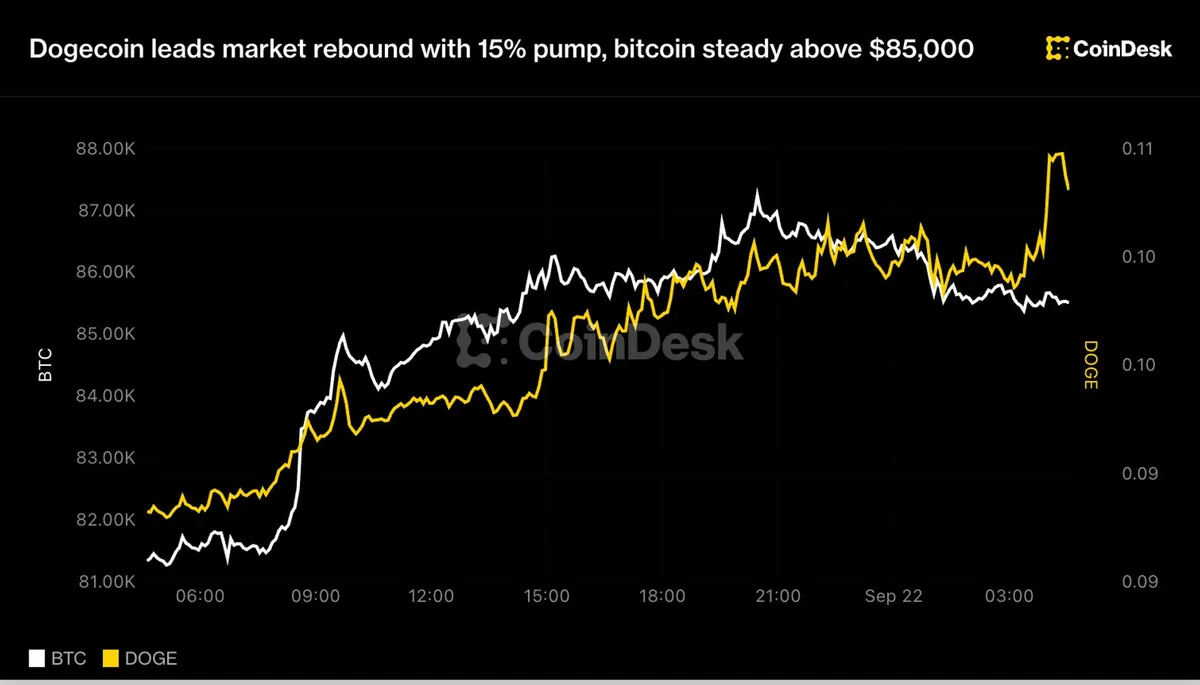
Dogecoin's 15% surge drives market recovery as bitcoin stabilizes above $85,000

Cardano adds tools for AI agent payments, joining Solana and XRP Ledger

Trueo prediction market moves from Base to Ethereum