Traders are the big winners as 24/7 stocks will finally end the after-hours price 'manipulation'
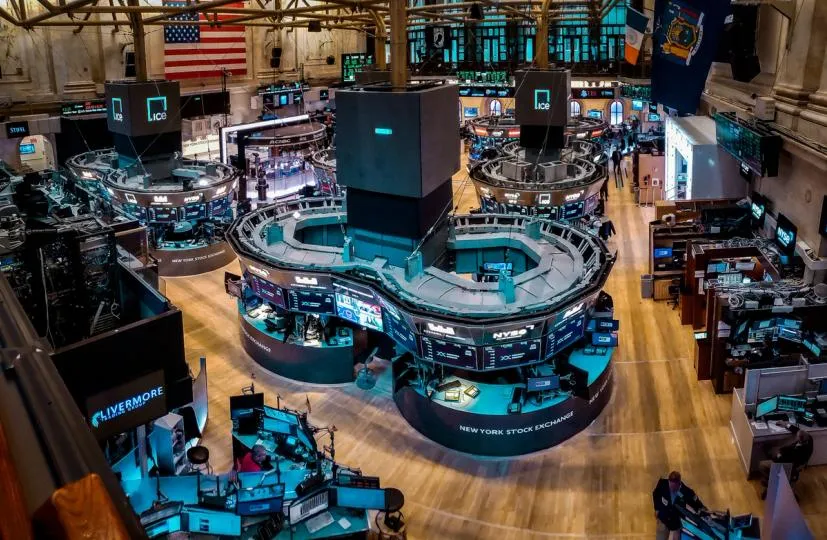
Traders are rejoicing as the introduction of 24/7 stock trading has the potential to reshape the landscape of financial markets, particularly by addressing the long-standing issue of after-hours price manipulation. With markets now open around the clock, investors can react to news and market events in real time, eliminating the constraints of traditional trading hours. This move is expected to democratize access to trading, allowing retail investors to participate more actively without the fear of being at a disadvantage due to limited trading hours. The shift towards continuous trading signifies a major change in how stocks are bought and sold.
The concept of after-hours trading is not new, but it has often been marred by volatility and manipulation, as fewer participants in the market can lead to significant price swings based on limited information. In the past, institutional investors and hedge funds have been able to exploit these irregularities, gaining an upper hand over individual traders. By moving to a 24/7 structure, the hope is that this will level the playing field, allowing all traders, regardless of their size, to react swiftly to market developments and news. This shift also reflects broader trends in the financial industry, where technology continues to blur the lines of traditional trading practices.
The implications for the market are profound. A 24/7 trading environment could lead to increased liquidity and reduced volatility, as more participants are able to enter and exit positions at any time. This could also foster a more transparent market, as the continuous flow of trading may reduce the likelihood of price manipulation that often occurs during off-hours. Investors may feel more confident in their trades, knowing they can respond immediately to news events without waiting for the next trading day. Overall, this change could enhance market efficiency and stability, benefiting both individual and institutional investors.
Industry experts have expressed a mix of excitement and caution regarding the transition to round-the-clock trading. Some analysts believe that while this development could empower individual traders, it also places pressure on market makers and intermediaries who have historically influenced prices during off-hours. There’s a recognition that these changes could introduce new challenges, including the need for improved trading infrastructure and the potential for increased regulatory scrutiny. As the market adapts to this new paradigm, stakeholders are closely monitoring how these dynamics will unfold and what safeguards may be necessary to ensure fair trading practices.
Looking ahead, the successful implementation of 24/7 trading will depend on various factors, including technological advancements and the ability of trading platforms to handle increased demand. We can expect to see ongoing discussions around regulation and market structure as the industry navigates this transition. Additionally, as more participants flock to the 24/7 trading environment, it will be crucial to assess the impact on overall market behavior and whether the anticipated benefits of enhanced liquidity and reduced manipulation are realized. The coming months will be critical as traders and market participants adjust to this new trading landscape.

CoinMagnetic Team
Crypto investors since 2017. We trade with our own money and test every exchange ourselves.
Updated: April 2026
From our insights:
Related news

OpenAI cuts prices 50% on mid-tier models as Anthropic unveils Claude Opus 5.5

Bernstein revises prediction markets to $10 trillion by 2035, up from $1 trillion

New Fed data reveals potential dangers in Bitcoin's rally

Anthropic’s New Claude Opus 5.5 Matches Fable at 60% the Price

Elon Musk's influence drives Dogecoin to highest price in months