Everything is becoming a perp

In a recent discussion, Matthew Fisher from Katana Network highlighted a significant trend in the trading landscape: the rise of perpetual contracts beyond just the cryptocurrency space. Perpetual contracts, known for their 24/7 trading and leveraged options, have traditionally been a hallmark of crypto trading. However, Fisher suggests that this model is now being adopted across various asset classes, signaling a broader evolution in how traders engage with financial markets. This shift could fundamentally change trading dynamics, allowing for more flexibility and efficiency in executing trades on a global scale.
The concept of perpetual contracts first gained traction in the cryptocurrency market, where traders sought innovative methods to capitalize on price volatility. Unlike traditional futures contracts, perpetuals do not have an expiration date, enabling traders to hold positions indefinitely. This model has attracted significant interest in the crypto sector, where rapid price movements are common. As established financial institutions and fintech firms begin to recognize the potential of this trading mechanism, we are witnessing a growing interest in developing similar perpetual products for equities, commodities, and other financial instruments.
The implications of this trend for the market are considerable. If perpetual contracts become widely adopted across various asset classes, they could enhance liquidity and attract a new wave of retail and institutional investors. The ability to leverage positions without the constraints of expiration dates could lead to more dynamic trading strategies, potentially increasing market participation. Furthermore, the continuous nature of trading might help stabilize markets by allowing for more immediate responses to news and events, although it could also intensify volatility depending on market conditions.
Industry experts have responded positively to this development, viewing it as a natural evolution in trading strategies. Many believe that the integration of perpetual contracts into traditional markets could democratize access to sophisticated trading tools, enabling a broader range of investors to engage with financial products. Nevertheless, some caution that the risks associated with leverage and perpetual trading might pose challenges, particularly for inexperienced traders. The balance between innovation and risk management will be critical as the industry navigates this new landscape.
Looking ahead, we can expect to see increased experimentation with perpetual contracts in various asset classes. Financial institutions may begin launching their own perpetual products, and regulatory bodies could also take an interest in ensuring that these new instruments adhere to existing standards for investor protection. As the line between crypto and traditional finance continues to blur, market participants should keep a close eye on the developments in this space, as they may lead to significant changes in trading behavior and market dynamics in the near future.

CoinMagnetic Team
Crypto investors since 2017. We trade with our own money and test every exchange ourselves.
Updated: July 2026
From our insights:
Related news

Senate vote brings clarity to crypto as AI fears trigger slowdown
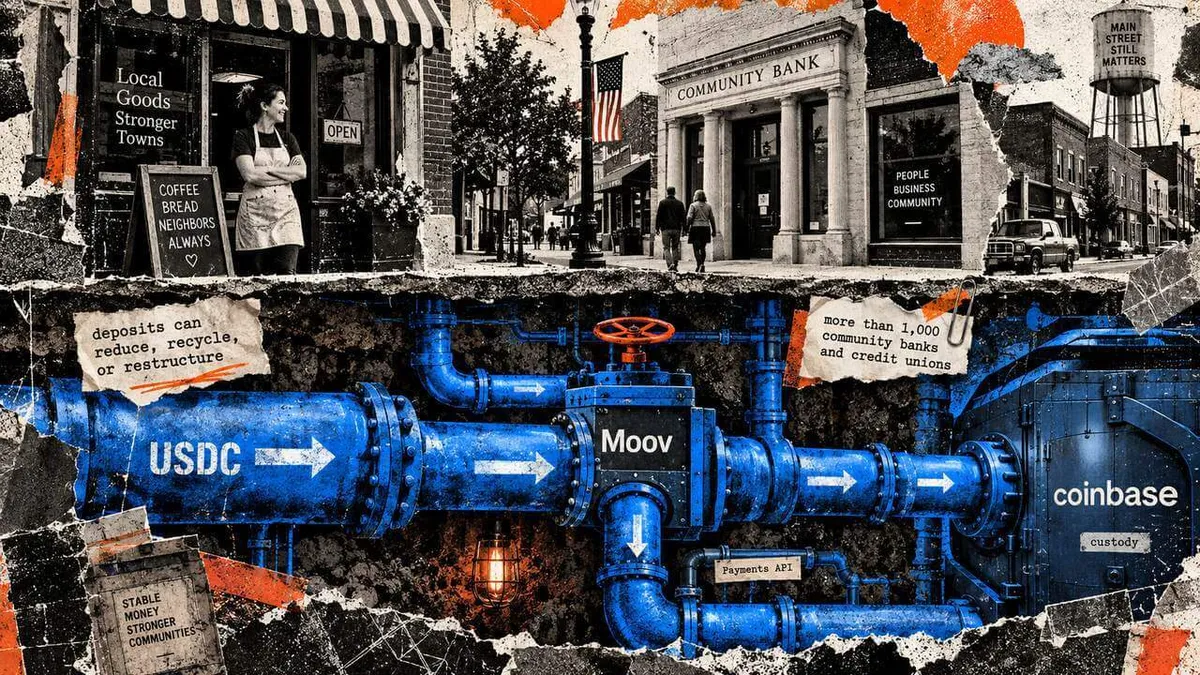
Coinbase enables community banks to leverage stablecoins with new infrastructure
Bitcoin Lightning Network vulnerabilities risk fund theft and node failures
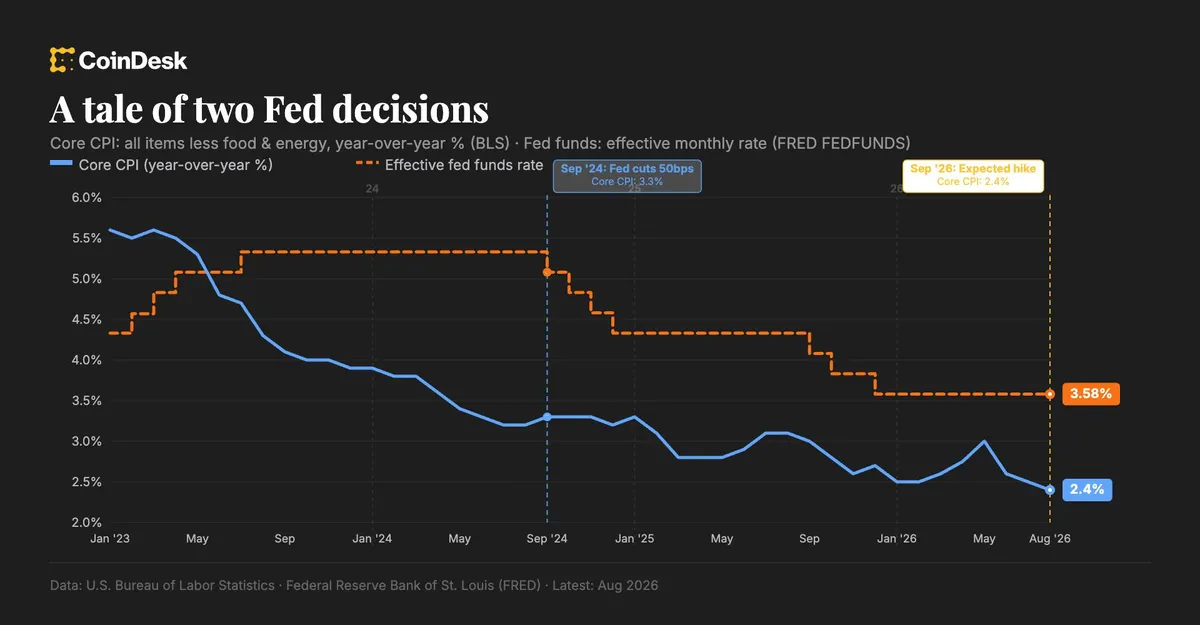
Goldman Sachs joins others retracting no rate hike forecast ahead of Fed decision

Crypto's Clarity Act awaits uncertain fate as U.S. Senate reconvenes