Europe’s MiCA July deadline puts Binance access and USDT liquidity on the line

The upcoming July 1 deadline for the European Union’s Markets in Crypto-Assets (MiCA) regulation is creating significant pressure on major players in the crypto industry, particularly Binance and Tether. This regulatory framework aims to establish a comprehensive approach to governing digital assets within the EU, necessitating that firms secure authorization to operate legally. As the deadline approaches, both Binance and Tether are scrambling to ensure they meet the new requirements, which could significantly affect their access to the European market and the liquidity of Tether’s USDT stablecoin.
The MiCA regulation is designed to bring clarity and consistency to the crypto landscape in Europe. It seeks to protect consumers, safeguard financial stability, and foster innovation within the crypto sector. However, the implementation of these regulations has been met with challenges as companies like Binance and Tether navigate the complexities of compliance. The urgency surrounding this deadline highlights the broader context of regulatory scrutiny faced by crypto firms globally, as governments work to establish frameworks that can keep pace with the rapidly evolving digital asset market.
The implications of MiCA for the market are substantial. If Binance, one of the largest cryptocurrency exchanges, fails to secure the necessary authorization, it risks losing its foothold in the lucrative European market, potentially leading to decreased trading volumes and diminished investor confidence. Similarly, Tether’s USDT is pivotal for liquidity in the crypto ecosystem, and any disruption to its availability could ripple through the market, affecting trading pairs and pricing across various exchanges. This scenario raises questions about the stability of the wider crypto market and its ability to weather regulatory changes.
Industry reaction has been mixed, with some experts advocating for stricter regulations to ensure consumer protection, while others warn that overregulation may stifle innovation and push businesses to operate in less-regulated jurisdictions. Notable figures within the crypto space have expressed concerns that the MiCA framework could disadvantage EU-based firms compared to their counterparts in regions with more lenient regulations. The urgency felt by Binance and Tether is echoed by others in the industry who are keenly aware of the potential consequences of failing to comply.
Looking ahead, the next few months will be critical for Binance, Tether, and other crypto firms aiming to align with MiCA regulations. As the deadline approaches, we anticipate increased efforts from these companies to either secure the necessary licenses or pivot their strategies to adapt to the new regulatory landscape. The outcome of this regulatory initiative could set a precedent for how digital assets are governed not just in Europe but globally, influencing the future trajectory of the crypto industry.

CoinMagnetic Team
Crypto investors since 2017. We trade with our own money and test every exchange ourselves.
Updated: June 2026
From our insights:
Related news

Bitcoin's weekly close above $81,000 signals potential rise to $90,000

Elon Musk's X integrates bitcoin trading options for U.S. users
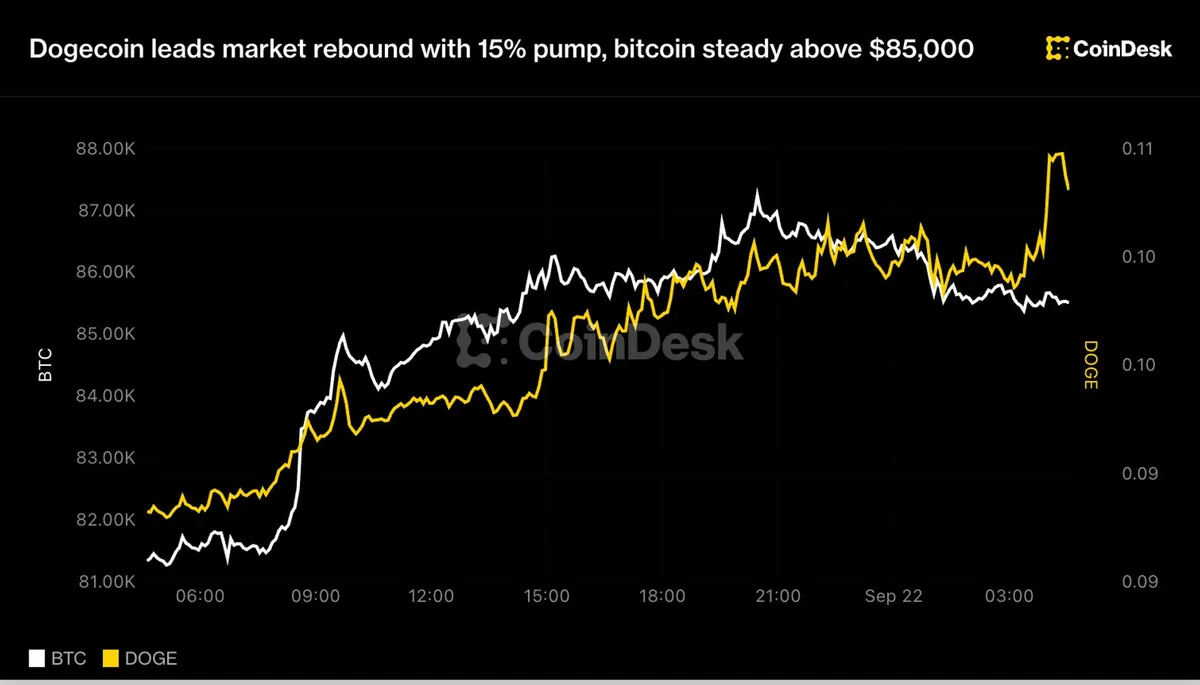
Dogecoin's 15% surge drives market recovery as bitcoin stabilizes above $85,000

Cardano adds tools for AI agent payments, joining Solana and XRP Ledger

Trueo prediction market moves from Base to Ethereum