Europe's Crypto Firms Face Squeeze as MiCA Transition Period End Looms

As the transition period for the Markets in Crypto-Assets (MiCA) regulation approaches its end, a significant number of cryptocurrency firms in Europe find themselves in a precarious position. Currently, only a small fraction of registered companies have secured the full licenses required to operate legally under the new regulatory framework. This impending deadline is raising concerns about the survival of many smaller players in the market, with analysts predicting a potential wave of consolidation as firms scramble to either comply with the regulations or exit the industry altogether.
The MiCA regulation was introduced to create a comprehensive framework for the crypto sector, aiming to enhance consumer protection and establish a level playing field for all market participants. When it was first proposed, it promised to bring much-needed clarity to an industry that has often operated in a gray area. However, the lengthy approval process and the complexity of the licensing requirements have left many firms unprepared as the deadline nears. This situation highlights the challenges that the industry faces in adapting to regulatory changes and underscores the significant gap between established players and those still trying to navigate the new landscape.
The implications of this regulatory squeeze are substantial for the market. A reduction in the number of active firms could lead to decreased competition, potentially resulting in higher fees and fewer choices for consumers. Additionally, the consolidation of firms may lead to a concentration of power among a few major players, which could impact innovation and the diversity of services offered in the crypto space. Investors and stakeholders are closely monitoring the developments, as the market's structure could shift dramatically in the coming months.
Industry experts have voiced a mix of concerns and optimism regarding the MiCA transition. Some see it as a necessary step toward legitimizing the crypto sector, believing that the regulatory framework will ultimately foster greater trust and participation from traditional investors. Others warn that the stringent requirements might stifle innovation and drive smaller firms out of the market, leading to a less dynamic ecosystem. The varied reactions reflect the complex landscape of the crypto industry, where regulatory clarity is both a goal and a challenge.
Looking ahead, the next few months will be crucial for crypto firms as they navigate the final stages of the MiCA transition. Companies that have not yet secured the necessary licenses will need to act quickly, either by ramping up their compliance efforts or considering strategic partnerships or mergers to bolster their chances of survival. The outcome of this transition will not only shape the future of individual businesses but also set the tone for the broader European crypto market as it adjusts to the new regulatory environment.

CoinMagnetic Team
Crypto investors since 2017. We trade with our own money and test every exchange ourselves.
Updated: June 2026
From our insights:
Related news

Bitcoin surges past $86,000 as $1 billion in shorts are liquidated, eyes on $90,000
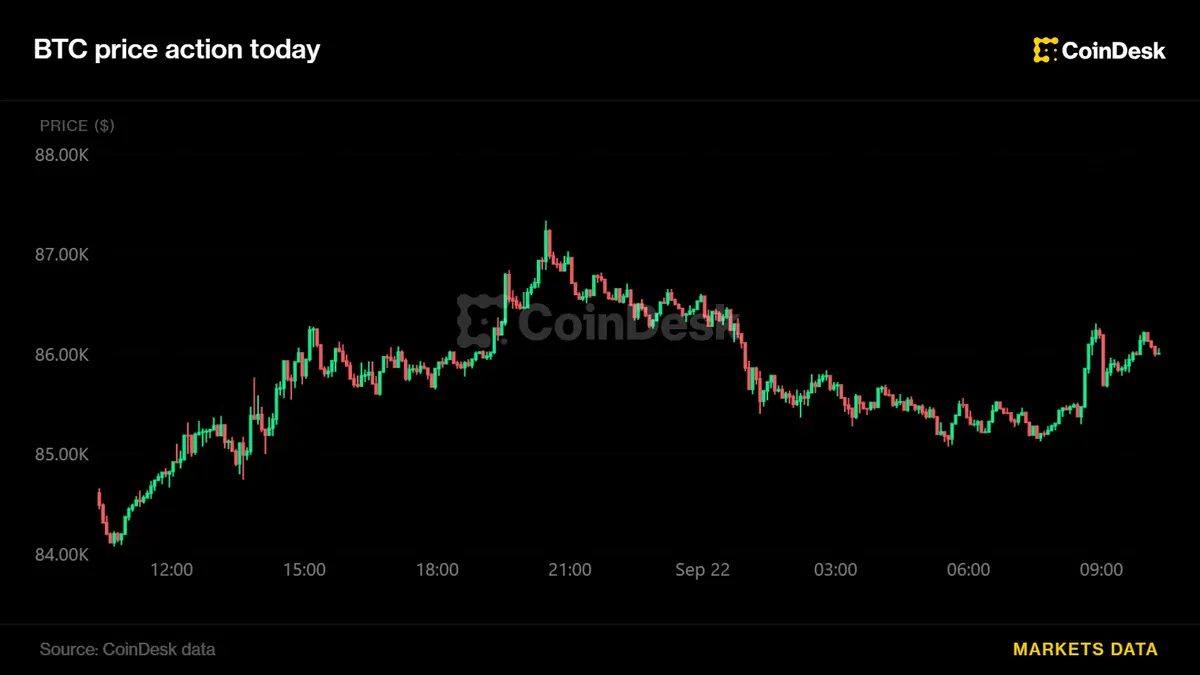
Bitcoin bounces back to $86,000 as oil prices decline and stocks rise

Prediction markets projected to reach $10 trillion by 2035, surpassing sports
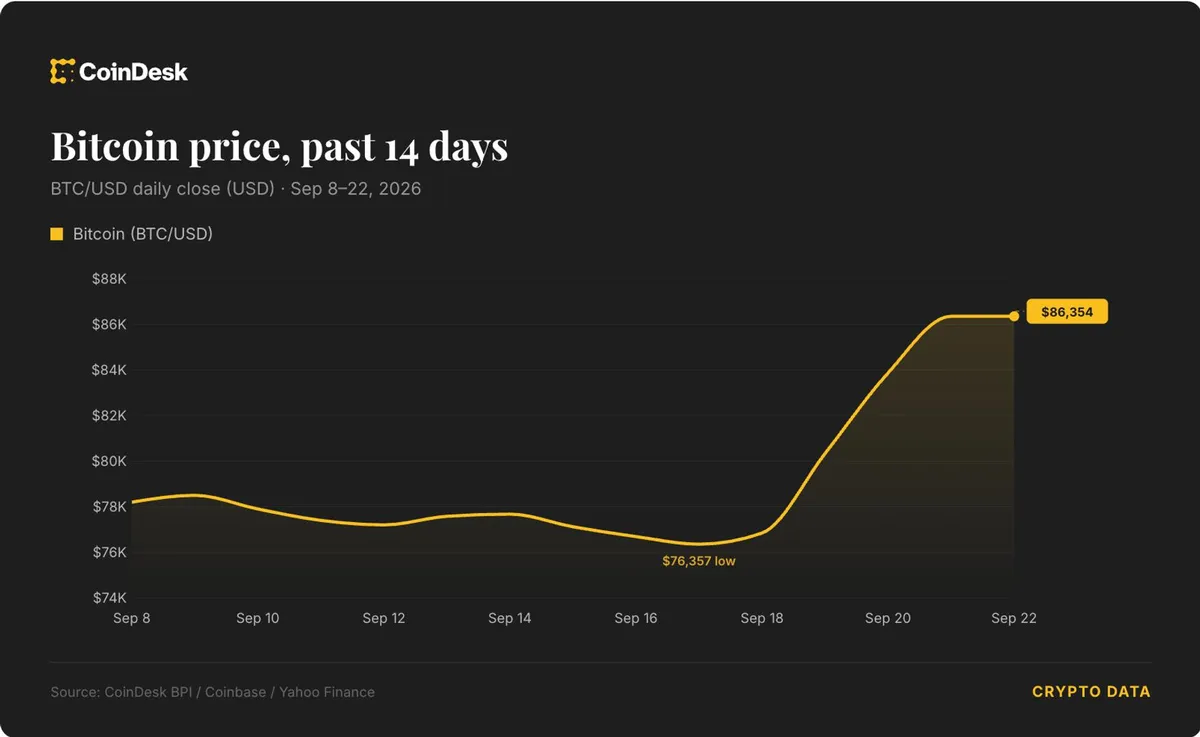
Iran hints at reopening Strait of Hormuz, WTI oil drops to $89

New altseason signal emerges as Bitcoin market cap stays under 60%