Europe led on crypto regulation. Now implementation must match ambition
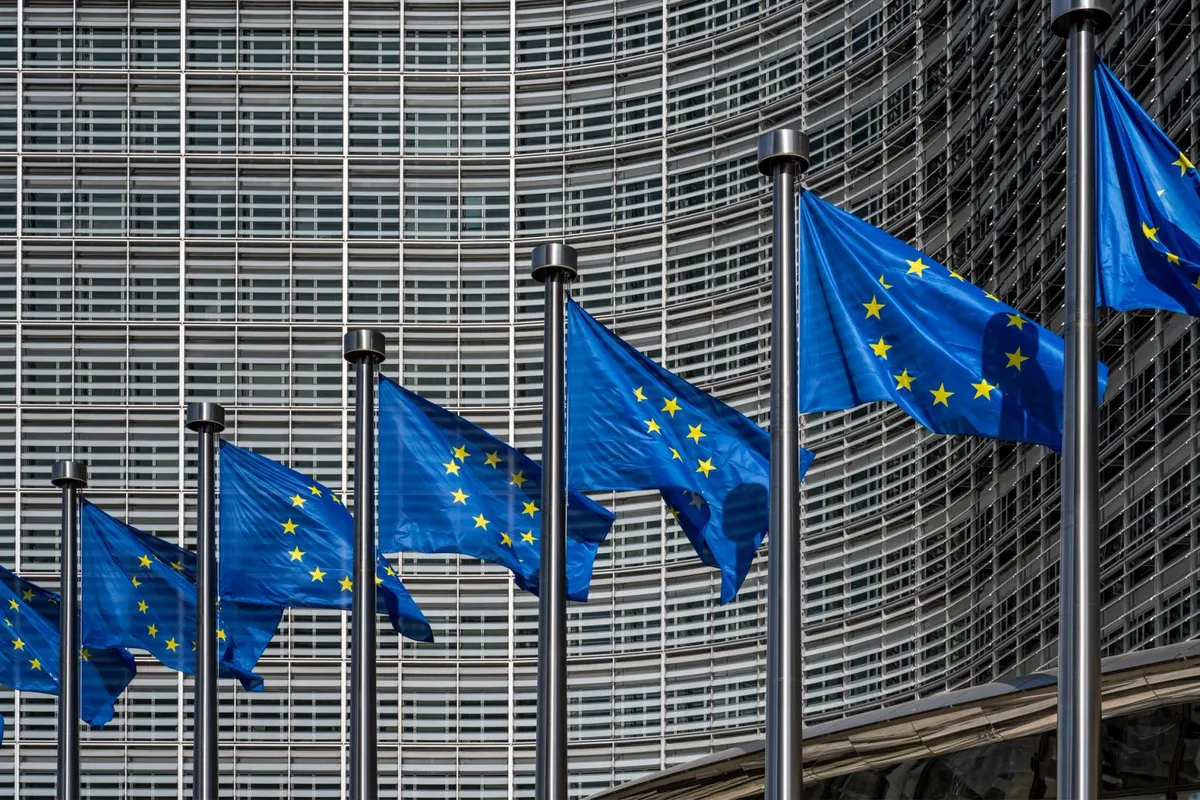
The European Union has taken significant strides in establishing a regulatory framework for cryptocurrencies, positioning itself as a leader in the global crypto regulation landscape. Recently, the EU finalized its Markets in Crypto-Assets (MiCA) regulation, which aims to create a unified legal framework for crypto assets within its member states. This legislation is a response to the rapidly evolving digital asset market and the necessity for consumer protection, market integrity, and financial stability. By implementing MiCA, the EU hopes to foster innovation while ensuring that the crypto space operates within a safe and regulated environment.
The journey towards this comprehensive regulation has not been without its challenges. The EU began discussions on crypto regulation as early as 2020, driven by the explosive growth of digital currencies and the emergence of decentralized finance (DeFi) platforms. As various member states adopted their own regulatory approaches, it became increasingly clear that a cohesive strategy was essential to prevent regulatory arbitrage and to support a thriving single market for digital assets. The MiCA framework aims to address these issues while promoting a balanced approach that encourages innovation and safeguards consumers.
The significance of the EU's regulatory framework cannot be overstated. As one of the largest economic blocs in the world, the EU's decisions regarding crypto regulation will likely influence global standards and practices. The introduction of MiCA could lead to greater institutional adoption of cryptocurrencies, as businesses and investors gain clarity on the regulatory environment. Furthermore, a well-regulated market could enhance consumer confidence, potentially leading to increased participation in the crypto economy. As the market matures, the implications of these regulations may extend beyond Europe, shaping the regulatory landscape in other regions.
Industry reactions to the MiCA regulation have been mixed, with some stakeholders praising the clarity it brings, while others express concerns over the potential stifling of innovation. Experts emphasize the importance of fine-tuning the implementation of these regulations to ensure they do not hinder the growth of the crypto sector. Many advocate for a collaborative approach between regulators and the industry, urging policymakers to engage with crypto businesses to create practical solutions that address the concerns of all parties involved. This dialogue will be essential to navigate the complexities of the rapidly evolving digital asset ecosystem.
Looking ahead, the successful implementation of MiCA will be crucial for the EU's ambitions in the crypto space. As the regulations come into effect, stakeholders will be closely monitoring how they are enforced and whether they achieve their intended goals. The balance between fostering innovation and ensuring consumer protection will be a delicate one to strike. Additionally, as other regions observe the EU's approach, we may see a ripple effect that prompts further regulatory developments globally. The coming months will be pivotal in shaping the future of cryptocurrency regulation, and we will be watching closely to see how this ambitious framework unfolds.

CoinMagnetic Team
Crypto investors since 2017. We trade with our own money and test every exchange ourselves.
Updated: July 2026
From our insights:
Related news

Court ruling ends LIBRA memecoin lawsuit, leaving investors in limbo

New SEC crypto rules threaten small advisers, but big firms win

Stablecoin issuers have replaced 40% of China’s lost US Treasury demand

Independent Community Bankers of America sues U.S. regulator over crypto charters
Circle challenges MiCA's rigid reserve rules for stablecoin regulation