Europe is actively trying to stop the dollar stablecoin takeover

Recent discussions in Nicosia have highlighted Europe's growing concern over the dominance of dollar-pegged stablecoins in the global market. Despite Europeans conducting a significant 38% of global stablecoin transactions, euro-denominated stablecoins make up a mere 0.3% of the total supply. This stark contrast has raised alarms among European regulators and industry stakeholders, prompting a collective effort to address the imbalance and stimulate the growth of euro-based stablecoins. The meeting served as a critical platform for stakeholders to strategize on fostering a more competitive environment within the stablecoin sector.
The backdrop to this initiative is the increasing reliance on dollar-backed stablecoins, which have surged in popularity and use over the past few years. The eurozone, known for its robust financial infrastructure, has not seen a corresponding rise in euro-pegged stablecoins, leading to questions about the region's ability to maintain monetary sovereignty. Moreover, the dominance of the U.S. dollar in this space poses risks not only to European economies but also to the broader financial stability of the eurozone, which is often seen as a counterbalance to the dollar.
This situation matters significantly for the market as it reflects the broader geopolitical dynamics at play. If Europe can successfully foster the development and adoption of euro-denominated stablecoins, it could enhance the region's financial autonomy and resilience against external shocks. Such a move could also encourage more European businesses and consumers to engage with digital currencies, potentially shifting the balance of power in the stablecoin market. As European regulators explore frameworks to promote local stablecoin projects, the financial landscape could witness a transformative shift.
Industry reactions to these developments have been mixed, with some experts applauding the initiative as a necessary step toward financial sovereignty. Others, however, caution that the path to creating successful euro-denominated stablecoins is fraught with challenges, including regulatory hurdles and the need for robust infrastructure. Some analysts believe that the market may be resistant to change, as established dollar-backed stablecoins already enjoy significant user trust and liquidity. The ongoing dialogue among European stakeholders reflects a growing recognition of the need for collaboration and innovation to overcome these obstacles.
Looking ahead, the European Union and member states are likely to intensify their efforts to create a conducive environment for euro-backed stablecoin initiatives. This could involve regulatory reforms aimed at fostering innovation while ensuring consumer protection and financial stability. As the global stablecoin landscape continues to evolve, the coming months will be crucial for Europe as it seeks to carve out its place in a market that is currently dominated by dollar-pegged assets. The outcome of these efforts will not only shape the future of stablecoins in Europe but could also have far-reaching implications for the global financial system.

CoinMagnetic Team
Crypto investors since 2017. We trade with our own money and test every exchange ourselves.
Updated: June 2026
From our insights:
Related news
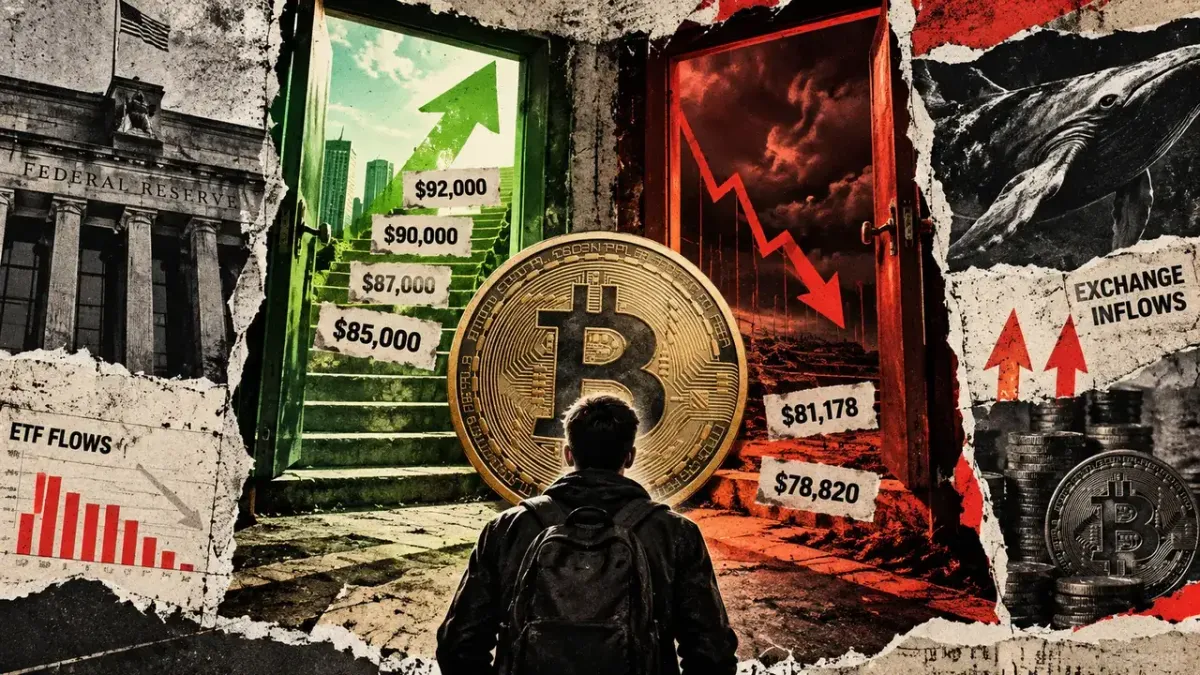
Bitcoin's weekly close above $81,000 signals potential rise to $90,000

Elon Musk's X integrates bitcoin trading options for U.S. users
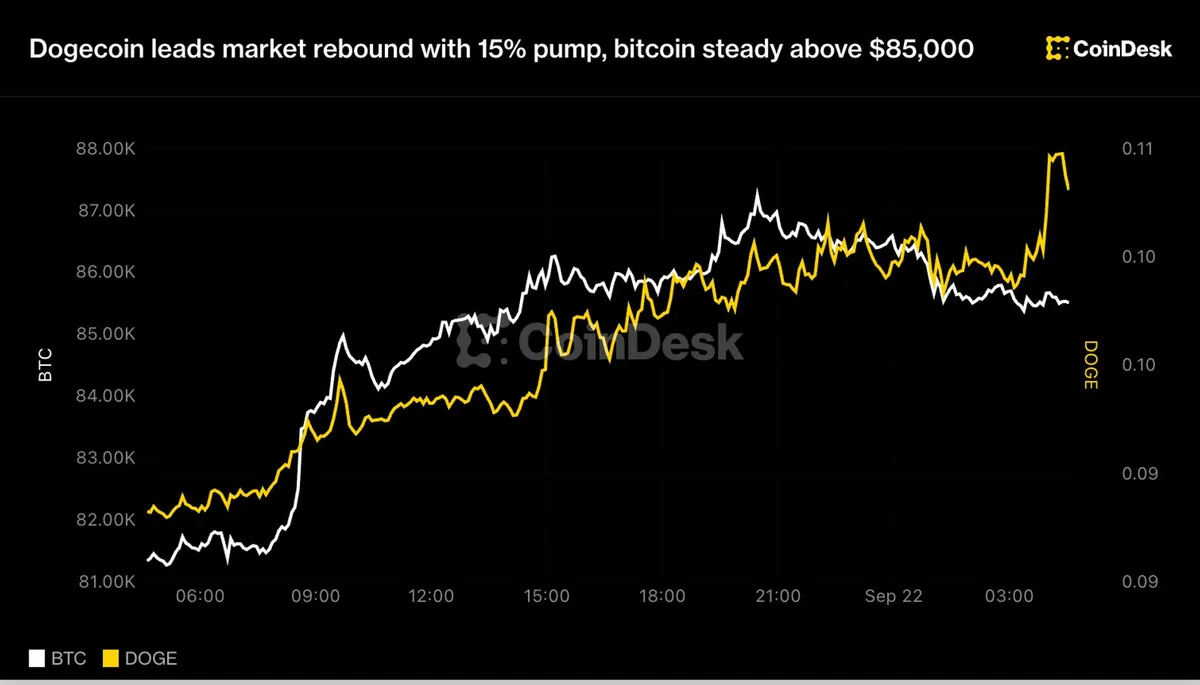
Dogecoin's 15% surge drives market recovery as bitcoin stabilizes above $85,000

Cardano adds tools for AI agent payments, joining Solana and XRP Ledger

Trueo prediction market moves from Base to Ethereum