EU Orders Meta to Open WhatsApp to Rival AI Chatbots—Meta Calls It 'Regulatory Overreach'
The European Commission has taken a significant step in regulating the tech industry by mandating that Meta restore access for third-party AI chatbots to its WhatsApp Business API. This directive comes with a tight deadline, requiring Meta to comply within five days. The move is part of a broader strategy to ensure competitive practices in the digital marketplace, emphasizing the importance of interoperability among communication platforms. By allowing rival AI chatbots to function within WhatsApp, the EU aims to foster innovation and provide businesses with more options when it comes to customer engagement and communication.
The backdrop to this decision lies in the ongoing discussions around the Digital Markets Act, a legislative framework designed to curb the dominance of major tech companies and promote fair competition. The EU has long been an advocate for user rights and market fairness, and this ruling reflects its commitment to these principles. Meta's WhatsApp, with its vast user base, has become a critical tool for businesses, making the ability for third-party AI integrations essential for maintaining competitive parity. This intervention is not an isolated incident but rather part of a growing trend where regulators are scrutinizing the influence of tech giants over digital ecosystems.
This order is significant for the market as it opens the door for increased competition among AI service providers. By enabling access to WhatsApp for various AI chatbots, we can expect a surge in innovation, leading to enhanced customer service tools and more efficient business operations. The move could also influence other platforms to reconsider their access policies, as the implications of this regulatory action resonate across the tech landscape. For investors and stakeholders, the order signals a shift in how major technology companies may need to adapt to comply with regulatory demands while balancing user experience and business interests.
Industry reactions have been mixed, with many experts expressing concern over what they perceive as regulatory overreach. Meta has publicly criticized the EU's decision, arguing that it could undermine user privacy and security on its platform. Some analysts suggest that the ruling might set a precedent for further regulatory interventions in the tech sector, potentially leading to a reevaluation of business strategies among major players like Meta. On the other hand, proponents of the decision argue that it could pave the way for a more equitable digital marketplace, ultimately benefiting consumers and smaller businesses alike.
Looking ahead, it remains to be seen how Meta will respond to this directive and what adjustments it may make to accommodate third-party AI access. The company may explore legal avenues to contest the ruling or seek a compromise that meets regulatory requirements while preserving its operational integrity. As the deadline approaches, we will be keeping a close watch on how this situation unfolds and its potential ripple effects across the tech industry and regulatory landscape. The outcome could have lasting implications for how digital communication platforms operate in Europe and beyond.

CoinMagnetic Team
Crypto investors since 2017. We trade with our own money and test every exchange ourselves.
Updated: June 2026
From our insights:
Related news

Bitcoin's weekly close above $81,000 signals potential rise to $90,000

Elon Musk's X integrates bitcoin trading options for U.S. users
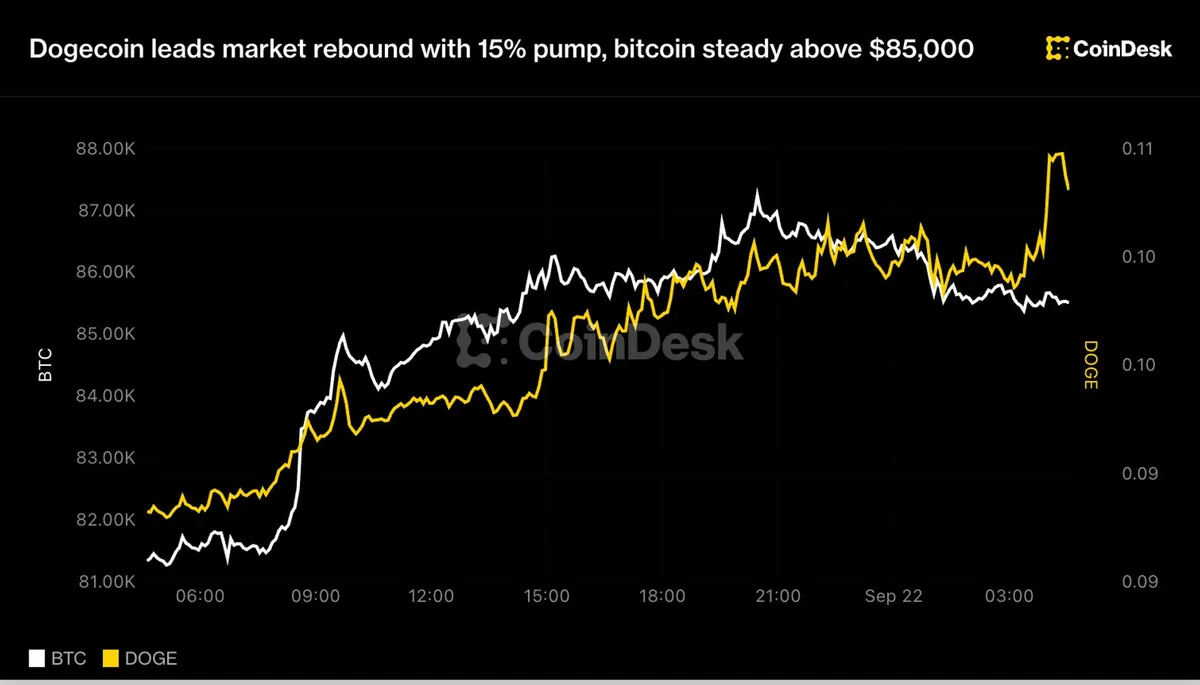
Dogecoin's 15% surge drives market recovery as bitcoin stabilizes above $85,000

Cardano adds tools for AI agent payments, joining Solana and XRP Ledger

Trueo prediction market moves from Base to Ethereum