Ethereum's Vitalik Buterin is rethinking how DeFi handles market crashes

Ethereum co-founder Vitalik Buterin recently shared his insights on a significant issue affecting decentralized finance (DeFi) – how the sector can better handle market crashes. In a detailed research post released on Monday, Buterin proposed an innovative approach to creating index-tracking assets that utilize options contracts. This proposal aims to shift away from the traditional debt-based structures currently prevalent in DeFi, which have often exacerbated financial instability during downturns. By leveraging options, Buterin believes that the crypto market can foster a more resilient financial ecosystem.
To understand the implications of Buterin's proposal, it's important to consider the current landscape of DeFi. The sector has seen explosive growth, but it has also been plagued by vulnerabilities, particularly during times of market volatility. The traditional models often rely on collateralized debt positions, which can lead to cascading liquidations and significant losses for users. As the DeFi market matures, the need for more robust mechanisms to manage risk and protect users has become increasingly apparent. Buterin's suggestion to employ options contracts marks a notable shift toward innovation in risk management within the DeFi framework.
This proposal matters for the market as it could represent a turning point for how DeFi projects manage and mitigate risks. The adoption of index-tracking assets based on options contracts may provide a more stable and reliable means for users to hedge against market fluctuations. If successful, this could enhance investor confidence and attract more participants to the DeFi space, ultimately leading to greater liquidity and market depth. Such a transformation could help prevent the kind of catastrophic losses that have historically marred the sector during market downturns.
Industry experts have already begun weighing in on Buterin's ideas, highlighting both the potential benefits and challenges. Some have praised the innovative approach, emphasizing that options can offer a more sophisticated method for risk management compared to current debt-based systems. However, others caution that implementing such a system could be complex, requiring significant changes to existing protocols and a thorough understanding of options trading dynamics. The idea has sparked discussions among developers and investors alike, indicating that the community is keenly interested in exploring new avenues for enhancing DeFi's resilience.
Looking ahead, the crypto community will be closely monitoring any developments stemming from Buterin's proposals. The discussion around the feasibility and implementation of index-tracking assets utilizing options contracts is likely to prompt further research and development within the DeFi sector. As more stakeholders weigh in and potentially collaborate on this concept, we may see a significant shift in how decentralized finance operates, particularly in its approach to risk management and market stability. The coming months could be pivotal for the evolution of DeFi, especially if Buterin's vision gains traction within the industry.

CoinMagnetic Team
Crypto investors since 2017. We trade with our own money and test every exchange ourselves.
Updated: June 2026
From our insights:
Related news
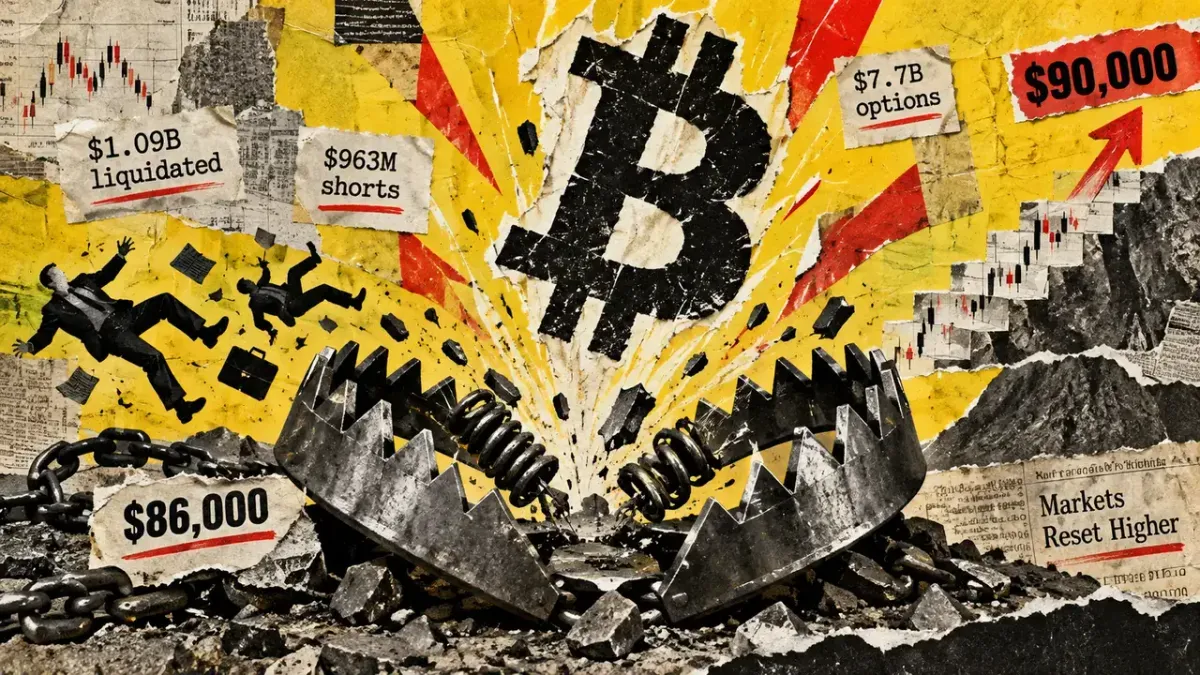
Bitcoin surges past $86,000 as $1 billion in shorts are liquidated, eyes on $90,000
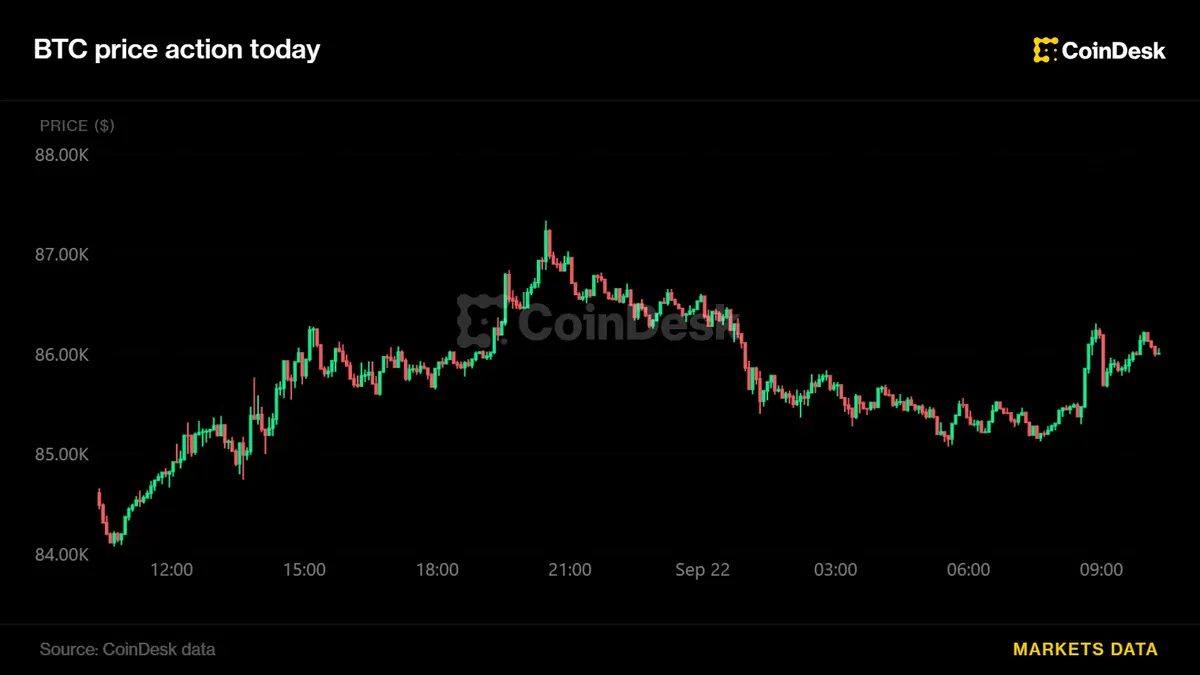
Bitcoin bounces back to $86,000 as oil prices decline and stocks rise

Prediction markets projected to reach $10 trillion by 2035, surpassing sports
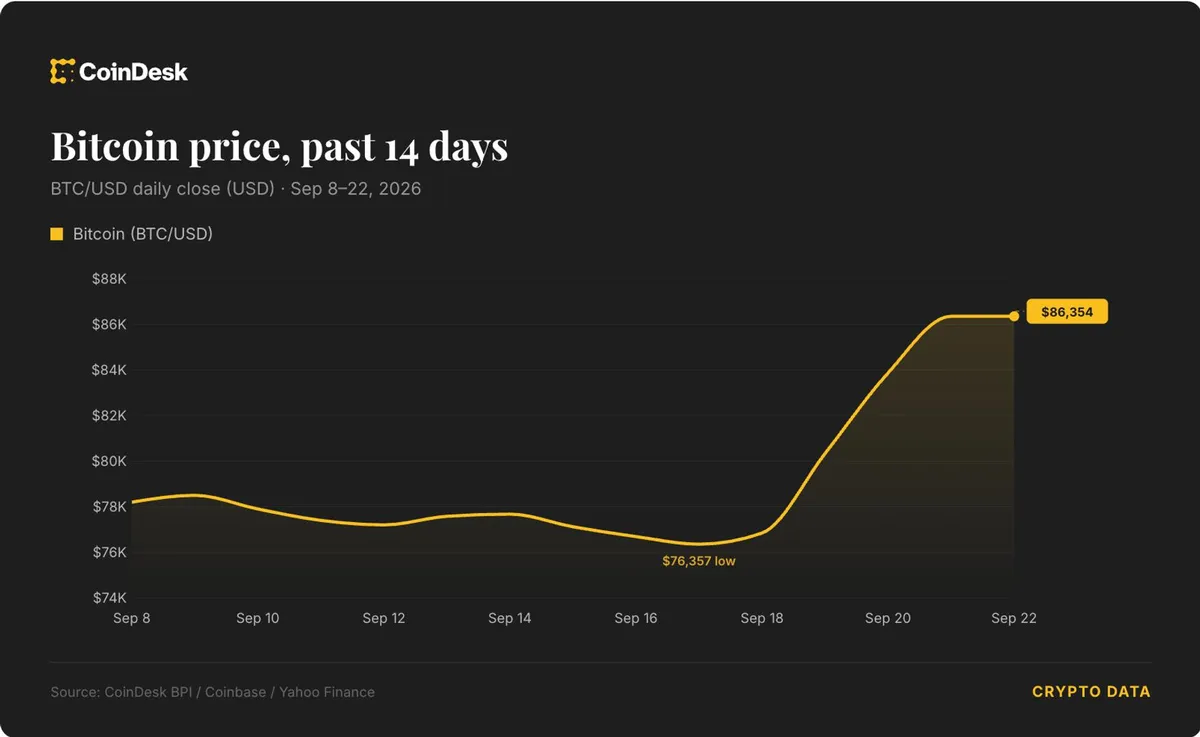
Iran hints at reopening Strait of Hormuz, WTI oil drops to $89

New altseason signal emerges as Bitcoin market cap stays under 60%