Ethereum’s selloff tests whether its neutrality-first model can defend ETH’s value amid Foundation ‘brain drain’

Ethereum's market sentiment has taken a noteworthy hit recently as the price of its native token, ETH, continues to navigate a medium-term bear phase. According to data from blockchain analytics platform Santiment, discussions surrounding ETH have surged in frequency throughout May. However, the underlying tone of these conversations has shifted dramatically, revealing a growing sense of frustration, disappointment, and concern about the cryptocurrency's potential for further decline. This evolving sentiment underscores the challenges Ethereum faces in maintaining its value amidst a backdrop of market instability and ongoing scrutiny of its foundational principles.
To understand the current predicament, we must revisit the ethos that has long defined Ethereum – its neutrality-first model. This principle has fostered a diverse ecosystem, allowing developers and projects to thrive independently on the platform. Nevertheless, as the market grapples with heightened volatility and external pressures, questions arise about whether this model is robust enough to defend ETH's value. Additionally, the recent reports of a "brain drain" at the Ethereum Foundation, with key developers and contributors departing, have added to the unease, prompting concerns about the future innovation and governance of the network.
The implications of this selloff extend beyond mere price movements; they signify a deeper crossroads for Ethereum. The cryptocurrency market often reacts to sentiment-driven trends, and as negativity surrounding ETH swells, it could trigger further sell-offs or investor hesitance. This situation is particularly concerning given that Ethereum has historically been viewed as a leader in the smart contract space. If the neutrality-first approach fails to deliver resilience during tough times, it could lead to a reevaluation of ETH's role and value proposition in a competitive landscape crowded with emerging blockchains and technologies.
Industry experts have weighed in on this situation, with many emphasizing the critical need for Ethereum to adapt while staying true to its foundational principles. Some believe that the current turmoil may serve as a catalyst for innovation, prompting the Ethereum community to rally and enhance its governance structures, developer incentives, and overall ecosystem support. Others caution that without a clear response to the "brain drain" and market concerns, Ethereum risks losing its competitive edge against alternative smart contract platforms that may offer more robust governance or incentivization models.
Looking ahead, the Ethereum community faces a pivotal moment. As discussions continue to evolve, stakeholders must engage in meaningful dialogue about the future of the platform and explore avenues for rejuvenating confidence in ETH. Whether through structural changes, enhanced communication, or bolstered developer support, Ethereum must demonstrate its commitment to its community and vision. The coming weeks will be crucial in determining if Ethereum can navigate these challenges effectively and reaffirm its position as a leader in the blockchain space.

CoinMagnetic Team
Crypto investors since 2017. We trade with our own money and test every exchange ourselves.
Updated: May 2026
From our insights:
Related news

Bitcoin's weekly close above $81,000 signals potential rise to $90,000

Elon Musk's X integrates bitcoin trading options for U.S. users
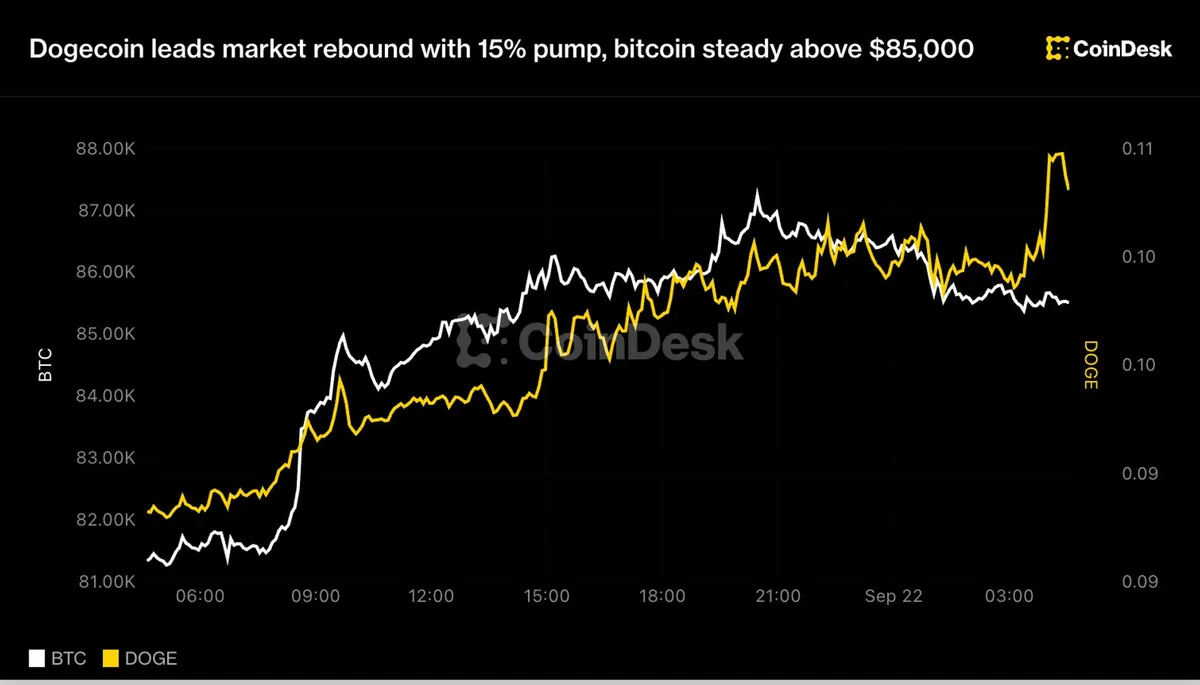
Dogecoin's 15% surge drives market recovery as bitcoin stabilizes above $85,000

Cardano adds tools for AI agent payments, joining Solana and XRP Ledger

Trueo prediction market moves from Base to Ethereum