Ethereum’s privacy push faces a 12-month deadline as markets reward privacy-first assets

Ethereum developers are under increasing pressure to implement native privacy features within the next 12 months. As the largest smart contract blockchain, Ethereum's ability to maintain its status as the default settlement layer for the crypto ecosystem is being challenged. A wave of investor scrutiny has emerged, with many expressing concerns that any further delays could hinder Ethereum's competitive edge. This urgency is compounded by a broader market trend, where privacy-focused assets are gaining traction, attracting investor interest away from Ethereum.
To understand this situation, it's essential to consider the evolution of the Ethereum network. Initially, Ethereum was lauded for its programmability and ability to host decentralized applications. However, as the ecosystem matures, the demand for enhanced privacy features has become increasingly apparent. Users are seeking more anonymity in their transactions, especially given the growing regulatory scrutiny around cryptocurrencies. The emergence of competitors that prioritize privacy, such as Monero and Zcash, has further highlighted the necessity for Ethereum to adapt and expand its offerings.
The implications of this privacy push are significant for the broader market. As investors shift their focus toward projects that prioritize user privacy, Ethereum risks losing its dominant position if it cannot deliver on these capabilities. This trend could lead to a bifurcation in the market, where privacy-centric assets attract a loyal user base, while Ethereum's traditional strengths in programmability and scalability may no longer be sufficient to retain investor confidence. If Ethereum fails to integrate these features expediently, it could face a decline in market share and influence within the crypto landscape.
Industry experts have weighed in on the urgency of this development. Some argue that native privacy features could not only bolster Ethereum's competitive position but also enhance its utility across various sectors, including finance and data privacy. Others caution that implementing privacy solutions must be done carefully to avoid regulatory backlash. The balance between innovation and compliance will be crucial as developers navigate the complexities of integrating privacy features without sacrificing the transparency that blockchain technology is known for.
Looking ahead, the next 12 months will be critical for Ethereum as it seeks to implement these changes. With the market increasingly rewarding privacy-first assets, the Ethereum development team will need to work diligently to meet this deadline. As they strive to enhance the platform, it will be vital for them to communicate progress effectively to the community and investors alike. The outcome of this push could very well redefine Ethereum's trajectory and its role within the ever-evolving crypto ecosystem.

CoinMagnetic Team
Crypto investors since 2017. We trade with our own money and test every exchange ourselves.
Updated: May 2026
From our insights:
Related news
Iran hints at reopening Strait of Hormuz, WTI oil drops to $89

New altseason signal emerges as Bitcoin market cap stays under 60%

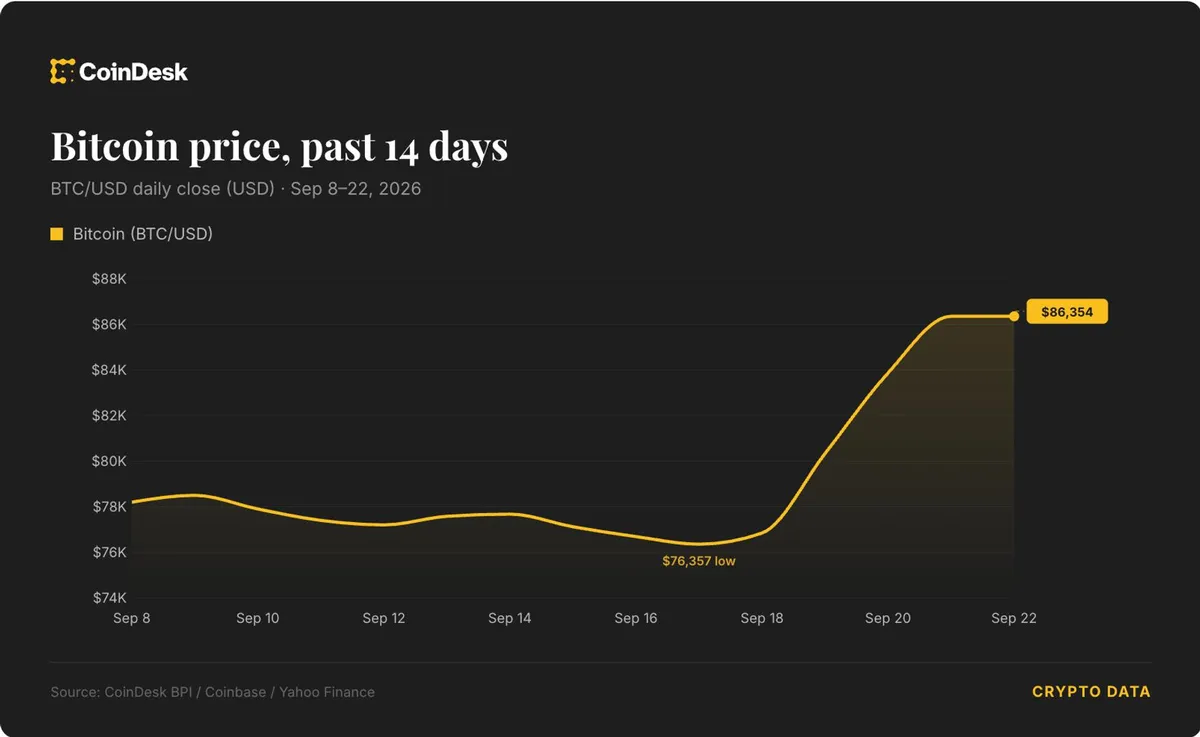
Bitcoin nears $86,000 as crypto market cap surpasses $3 trillion

Bitcoin's weekly close above $81,000 signals potential rise to $90,000

Elon Musk's X integrates bitcoin trading options for U.S. users