Ethereum’s Jaredfromsubway MEV bot drained after approving its own $7.5M theft
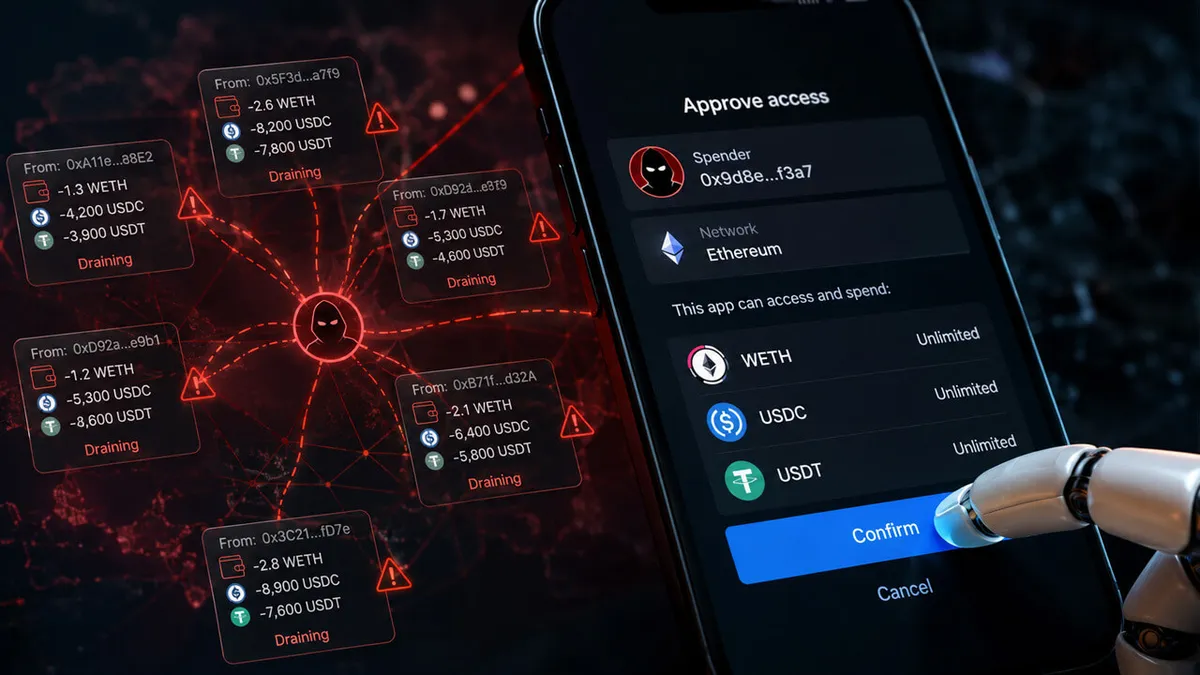
In a significant incident within the Ethereum ecosystem, the Jaredfromsubway MEV bot has reportedly been drained of over $7.5 million due to an unfortunate flaw in its automated transaction approval process. The bot, which is associated with a staggering 70% of sandwich attacks on the Ethereum network, inadvertently granted permissions to contracts controlled by attackers, enabling them to execute a series of transactions that led to the theft. This situation arose as the bot, operating under the Ethereum name Jaredfromsubway.eth, authorized what appeared to be profitable trading routes but ultimately resulted in its own financial demise.
To understand the implications of this event, it is essential to grasp the context of MEV (Miner Extractable Value) and sandwich attacks. These strategies exploit the way transactions are processed on the blockchain, allowing bots to manipulate the market by placing orders that profit from the price movements caused by other traders’ transactions. The Jaredfromsubway bot has been at the forefront of these activities, leveraging its algorithms to capture significant profits. However, this recent incident highlights the vulnerabilities that can exist even in sophisticated automated systems, emphasizing the need for robust security measures in the rapidly evolving DeFi landscape.
The market's reaction to the draining of the Jaredfromsubway bot has been one of caution and concern. On one hand, the incident underscores the potential risks involved in automated trading, particularly for those who engage in MEV strategies. Traders and investors may become more wary of the bots they utilize, leading to a reevaluation of their reliance on automated systems and the inherent risks involved. On the other hand, this event could prompt a broader discussion about the ethics and long-term viability of MEV practices, as the market grapples with the implications of such large-scale losses.
Industry experts have weighed in on the incident, with many highlighting the need for improved security protocols within automated trading systems. Some suggest that better oversight and transparency could help mitigate risks associated with MEV bots. Others argue that this incident could catalyze a movement toward developing more secure smart contracts and automated systems that prioritize safeguarding user assets. The consensus seems to be that while automated trading can yield significant profits, the security of these systems must be a paramount concern to prevent future incidents.
Looking ahead, the fallout from this incident may lead to increased scrutiny of MEV bots and their impact on the Ethereum ecosystem. Developers may feel pressured to innovate and create more secure automated trading solutions that can withstand potential vulnerabilities. Additionally, as discussions around the ethics of MEV practices continue, we could see a shift in how these strategies are perceived within the broader crypto community. The lessons learned from the Jaredfromsubway bot's draining could ultimately shape the future of automated trading on Ethereum and beyond.

CoinMagnetic Team
Crypto investors since 2017. We trade with our own money and test every exchange ourselves.
Updated: June 2026
From our insights:
Related news

OpenAI cuts prices 50% on mid-tier models as Anthropic unveils Claude Opus 5.5

Bernstein revises prediction markets to $10 trillion by 2035, up from $1 trillion
New Fed data reveals potential dangers in Bitcoin's rally

Anthropic’s New Claude Opus 5.5 Matches Fable at 60% the Price

Elon Musk's influence drives Dogecoin to highest price in months