Ethereum’s identity crisis is deepening after high-profile 'brain drain' frustrates the community

The Ethereum community is grappling with a significant identity crisis following the recent departure of several high-profile figures from its core development team. What started as a wave of shock over these exits has intensified into deeper concerns about the project's direction and sustainability. The departures, which include prominent developers and influential contributors, have sparked discussions about the future of Ethereum and its ability to maintain its competitive edge in a rapidly evolving blockchain landscape. The community is now reflecting on what these changes mean for Ethereum's identity and its long-term vision.
To understand the gravity of this situation, it's essential to consider Ethereum's history and its foundational role in the blockchain ecosystem. Since its inception in 2015, Ethereum has been hailed as a pioneer in the decentralized application space, introducing smart contracts and enabling a wide array of projects and innovations. However, the increasing complexity of its technology stack, coupled with the pressure to scale and address issues like high gas fees, has led to tensions within the developer community. The ongoing transition to Ethereum 2.0 and the shift to proof-of-stake have only added layers of complexity, leaving some core contributors feeling disconnected from the project's evolving mission.
This situation matters for the market for several reasons. Firstly, Ethereum is the second-largest cryptocurrency by market capitalization, and its health is often seen as a bellwether for the broader crypto market. A perceived decline in development activity or loss of key talent could lead to diminished investor confidence and impact price stability. Additionally, as Ethereum faces increasing competition from other blockchain platforms, the ability to retain and attract top talent is crucial for maintaining its position in the decentralized finance (DeFi) and non-fungible token (NFT) sectors, both of which have become integral to its ecosystem.
Industry reactions have been mixed, with some experts expressing concern over the potential implications of this 'brain drain.' Analysts have noted that the loss of experienced developers could hinder Ethereum's progress and innovation, while others suggest that it might open the door for new voices and ideas to emerge within the community. Some members are advocating for a more inclusive approach to development, emphasizing the need to engage a broader range of contributors to foster creativity and adaptability. The prevailing sentiment, however, is one of uncertainty, as the community navigates these changes.
Looking ahead, the Ethereum community faces critical decisions about its governance and development strategies. The challenge will be to rebuild trust and cohesion while embracing the necessary changes that come with evolution. As discussions around the future of Ethereum unfold, the community must prioritize collaboration and open dialogue to harness the diverse perspectives and skills of its members. The next few months will be pivotal in determining how Ethereum responds to this identity crisis and whether it can emerge stronger and more unified from this tumultuous period.

CoinMagnetic Team
Crypto investors since 2017. We trade with our own money and test every exchange ourselves.
Updated: May 2026
From our insights:
Related news

Bitcoin's weekly close above $81,000 signals potential rise to $90,000

Elon Musk's X integrates bitcoin trading options for U.S. users
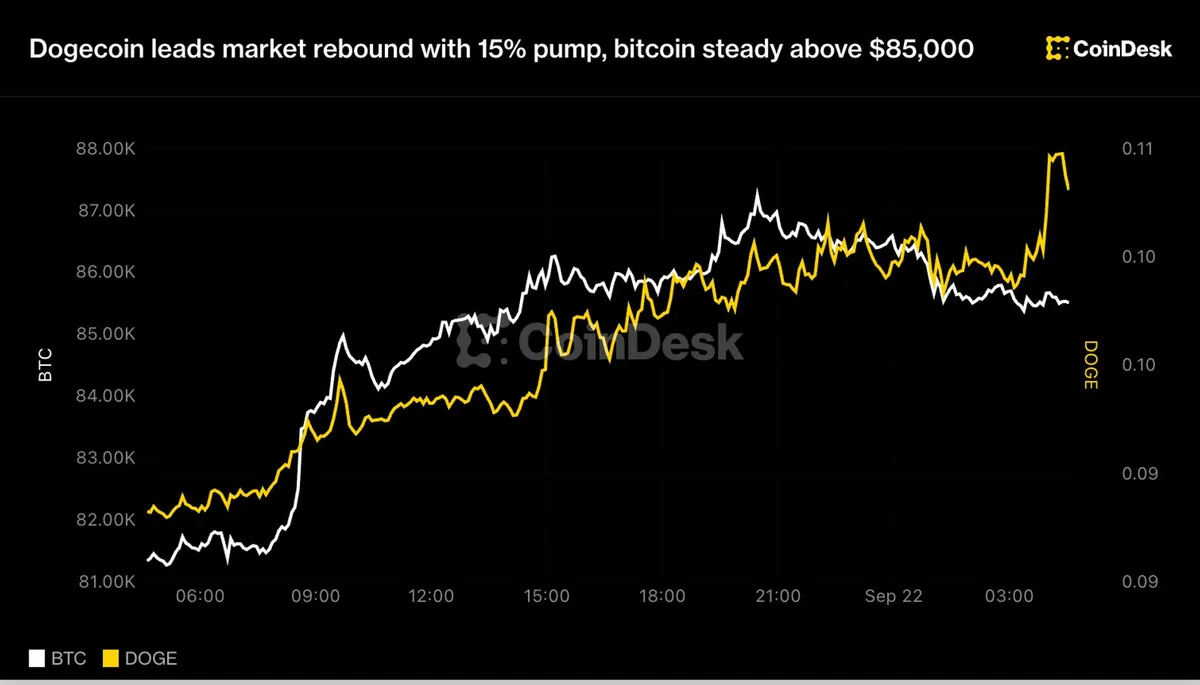
Dogecoin's 15% surge drives market recovery as bitcoin stabilizes above $85,000

Cardano adds tools for AI agent payments, joining Solana and XRP Ledger

Trueo prediction market moves from Base to Ethereum