Ethereum's biggest 'sandwich' bot drained of $7.5 million in ironic exploit

In a striking turn of events, the notorious "sandwich" bot, known for its role in front-running trades on Ethereum, has been drained of approximately $7.5 million in an exploit that underscores the vulnerabilities within decentralized finance (DeFi) protocols. The attacker, identified as Blockaid, successfully deceived the bot operator, Jaredfromsubway.eth, into approving fraudulent trading routes. Utilizing these approvals, the attacker managed to siphon off a substantial amount of Wrapped Ether (WETH), USD Coin (USDC), and Tether (USDT), raising significant concerns about the security measures in place for automated trading systems.
To provide some context, sandwich bots are a type of trading algorithm that attempts to profit by placing orders around existing transactions on decentralized exchanges. This practice often involves buying an asset just before a large transaction and then selling it immediately after the price increases, effectively "sandwiching" the original trade. While this strategy has been a controversial aspect of trading on Ethereum, it also highlights the need for robust security mechanisms to protect both individual traders and automated systems from malicious actors. This recent exploit serves as a reminder of the inherent risks involved in the DeFi space, especially for those relying on smart contracts and automated trading strategies.
The implications of this incident are significant for the broader cryptocurrency market. As more investors and institutions engage with DeFi protocols, incidents like this can erode trust in the systems that underpin these technologies. The loss of $7.5 million is not just a financial blow to the bot operator but also raises questions about the overall security and reliability of decentralized trading platforms. Market participants may become increasingly cautious, potentially impacting liquidity and trading volumes in the short term. Furthermore, it may prompt developers and stakeholders to reassess their security protocols and risk management strategies moving forward.
Industry reactions have been mixed, with some experts expressing concern over the exploit's implications for future security in DeFi. Others, however, argue that this incident could act as a catalyst for change, prompting developers to enhance security measures and create more resilient trading systems. Notably, discussions are emerging around the need for better governance and transparency in the DeFi space, as well as the potential for new protocols that could offer greater protection against similar attacks.
Looking ahead, this incident may lead to an increased focus on developing more secure smart contract standards and practices within the Ethereum ecosystem. As the DeFi landscape continues to evolve, we expect to see more initiatives aimed at safeguarding automated trading systems and protecting user assets. The community's response to this exploit could very well shape the future of DeFi, emphasizing the importance of security and trust in this rapidly growing sector.

CoinMagnetic Team
Crypto investors since 2017. We trade with our own money and test every exchange ourselves.
Updated: June 2026
From our insights:
Related news

Bitcoin's weekly close above $81,000 signals potential rise to $90,000

Elon Musk's X integrates bitcoin trading options for U.S. users
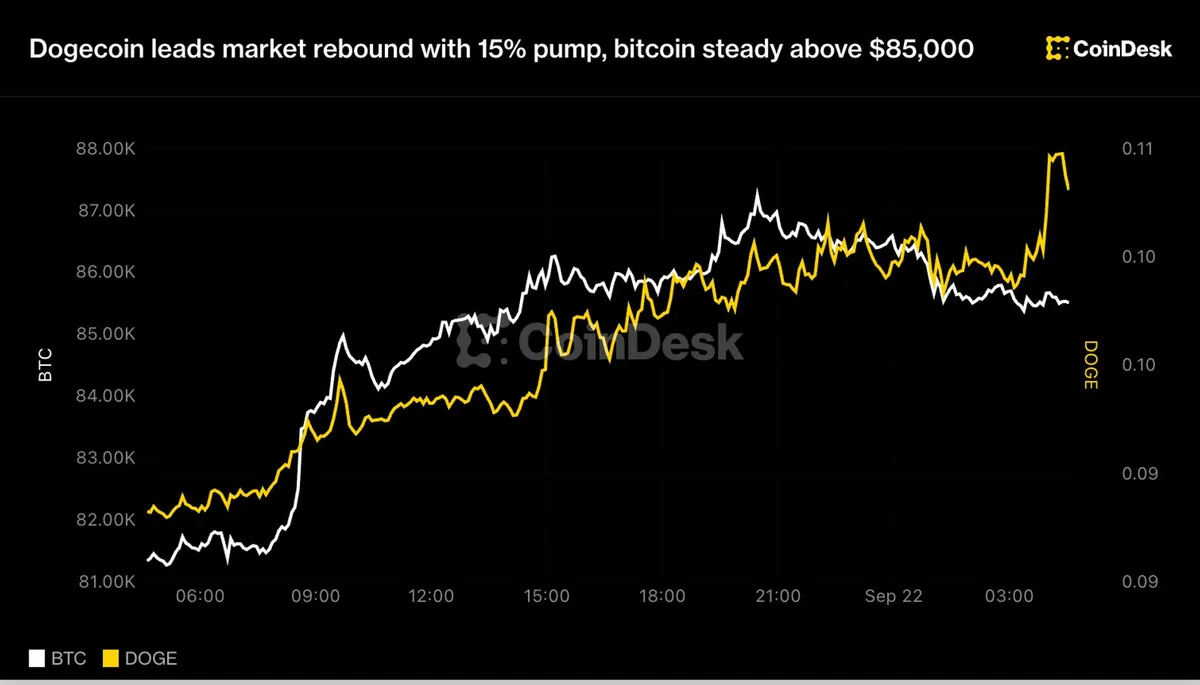
Dogecoin's 15% surge drives market recovery as bitcoin stabilizes above $85,000

Cardano adds tools for AI agent payments, joining Solana and XRP Ledger

Trueo prediction market moves from Base to Ethereum