Ethereum researchers face zkEVM security deadline ahead of December
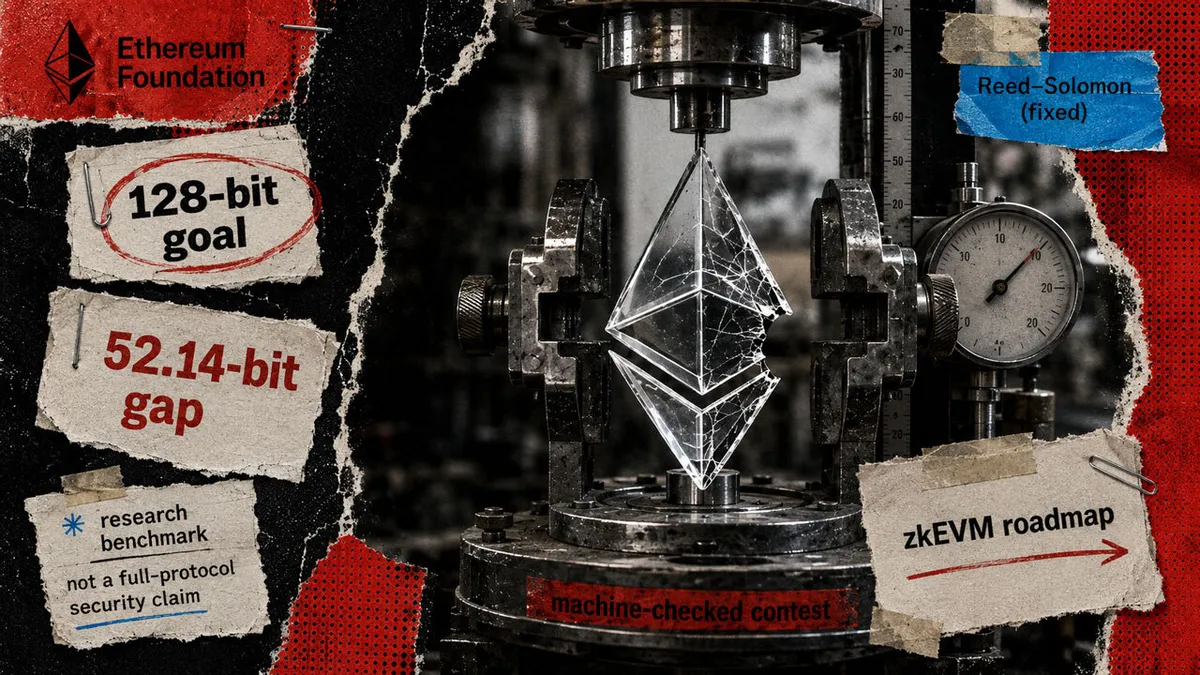
Ethereum researchers are currently in a race against time to address a security gap associated with the zero-knowledge Ethereum Virtual Machine (zkEVM) before a critical deadline in December. The urgency has been amplified by the ongoing better.codes contest, which aims to evaluate Ethereum’s security measures. However, it’s important to note that the contest’s current scoring only applies to the koalaIRS12 implementation, highlighting a focused area of concern in the broader zkEVM landscape.
This situation arises amidst Ethereum's ongoing development efforts to enhance its scalability and privacy through zkEVM technology. Zero-knowledge proofs, particularly zkEVM, are seen as a pivotal advancement that could significantly improve transaction efficiency while ensuring user privacy. As Ethereum’s developers work to integrate these advanced cryptographic techniques, ensuring robust security is paramount, especially as the ecosystem continues to mature and attract more users and developers.
The implications of this security gap are substantial for the market. If left unaddressed, vulnerabilities could expose users and developers to potential exploits, undermining confidence in Ethereum’s zkEVM capabilities. Given the increasing emphasis on security within the crypto space, particularly in light of past breaches and hacks, rectifying this issue is crucial not only for Ethereum's reputation but also for the overall health of the decentralized finance (DeFi) sector that heavily relies on Ethereum’s infrastructure.
Industry experts are closely monitoring the situation, with many expressing concern over the tight timeline leading up to December. Some believe that while the urgency is warranted, it is equally important that quality assurance is not sacrificed in the race to meet deadlines. The consensus among developers is that thorough testing and validation are essential to ensure that any newly implemented security measures effectively mitigate risks without introducing new vulnerabilities.
Looking ahead, the next steps will involve intense collaboration among Ethereum developers as they work to close the security gap while participating in the better.codes contest. As December approaches, the outcomes of these efforts will likely have significant repercussions not just for Ethereum but also for the broader landscape of blockchain technology and its associated security practices.

CoinMagnetic Team
Crypto investors since 2017. We trade with our own money and test every exchange ourselves.
Updated: August 2026
From our insights:
Related news

Solana introduces new settlement standard for institutions with J.P. Morgan guidance

Modern Treasury seeks US trust bank charter for digital asset custody

OCC's approval of crypto charters faces lawsuit pushback from banks
S&P Global's new framework assesses $10 billion in crypto lending vault risks

CFTC proposes new crypto framework after Congress stalls CLARITY vote