EIP-8390 aims to reduce ETH issuance by 33,800 but disrupts Altair light clients
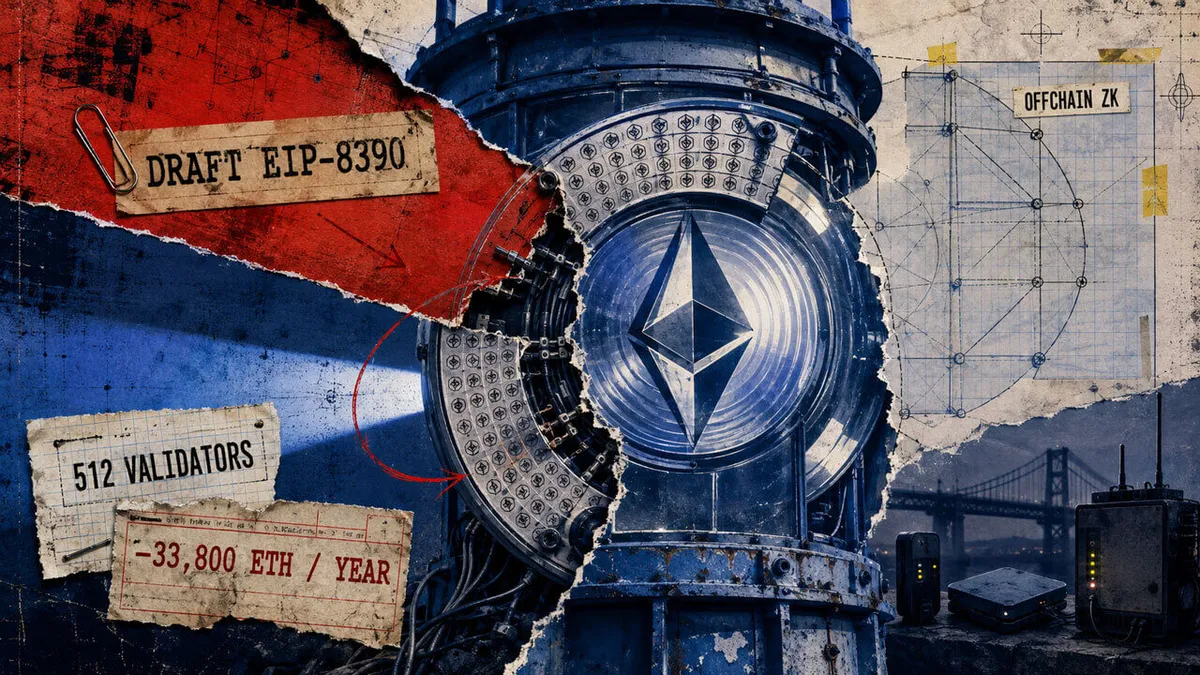
A recent proposal in the Ethereum community, known as EIP-8390, has stirred significant discussion as it suggests the implementation of offchain zero-knowledge (ZK) finality proofs. If adopted, this proposal could lead to a reduction of approximately 33,800 ETH in issuance. However, the proposal has been met with criticism due to its lack of a defined replacement API, absence of prover incentives, and failure to provide reproducible GPU benchmarks, which raises concerns among developers and stakeholders about its feasibility and impact.
To understand the implications of EIP-8390, it's essential to consider the context of Ethereum's ongoing development. The Ethereum network has been evolving towards scalability and efficiency, with various proposals aimed at improving transaction speeds and reducing costs. The introduction of light clients through the Altair upgrade has already enhanced the network's capabilities, allowing for more efficient participation in the network. However, EIP-8390's potential to disrupt these light clients has raised alarms, as it may render existing deployments inoperable.
This proposal matters significantly for the Ethereum market as it touches upon the balance between maintaining network security and reducing issuance, which could influence ETH's supply dynamics. A reduction of 33,800 ETH in issuance could potentially affect market sentiment and pricing, especially among investors who are sensitive to supply changes. If the proposal gains traction, it could lead to a reevaluation of ETH's value proposition, particularly in the context of its inflation rate and overall economic model.
Industry reactions have been mixed, with some experts expressing concern over the lack of a clear roadmap for implementing EIP-8390. The absence of a replacement API and incentives for provers has been highlighted as a critical shortcoming that could hinder the proposal's success. Additionally, developers and community members are debating the trade-offs between the proposed benefits of offchain ZK proofs and the risks associated with disrupting existing infrastructure, particularly the Altair light clients.
Looking ahead, the fate of EIP-8390 will depend on further discussions within the Ethereum community. Stakeholders will likely push for revisions that address the current proposal's shortcomings, particularly regarding the API and incentives for participants. As the Ethereum ecosystem continues to evolve, the outcome of this proposal may have lasting implications for the network's scalability, security, and overall market health.

CoinMagnetic Team
Crypto investors since 2017. We trade with our own money and test every exchange ourselves.
Updated: August 2026
From our insights:
Related news

Virginia dark web operator loses $101 million in bitcoin in 40-year sentence

MARA transfers $81.1 million in bitcoin to Galaxy Digital as strategy pivots to AI

Meanwhile insurance closes $37.5 million Bain Capital-led round with 15 global brokers
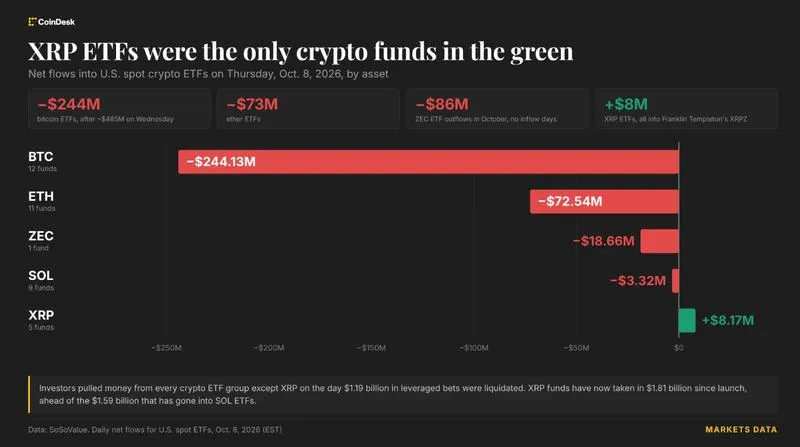
XRP ETFs shine as BTC and ZEC funds see significant outflows on Thursday
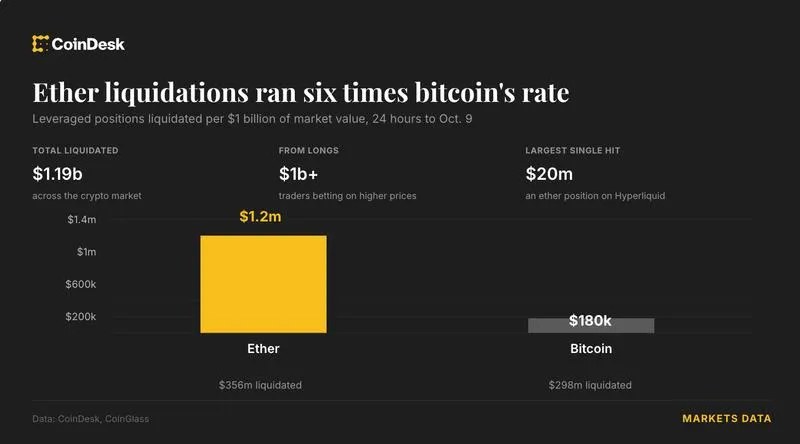
ETH liquidations hit $356 million, six times higher than Bitcoin's rate