Ethereum Proposal Would Burn Staking Rewards to Zero if Half of ETH Is Staked

A new proposal in the Ethereum community suggests a significant change in the staking rewards structure that could impact the future of the network. The proposal outlines that if more than 50% of the total ETH supply is staked, the staking rewards may be burned to zero. This would effectively remove the incentive for validators to stake their ETH beyond that threshold. The cut in yields would be implemented gradually over an 18-month period, allowing stakeholders time to adjust to the new system.
This proposal comes in the context of Ethereum's ongoing evolution, especially after the transition to proof-of-stake (PoS) with the Ethereum 2.0 upgrade. Prior to this change, Ethereum operated on a proof-of-work (PoW) model, which was criticized for its high energy consumption. The shift to PoS was intended to make the network more sustainable and secure, but as more ETH is staked, concerns over centralization and yield sustainability have arisen. By targeting a cap on staking rewards, the developers aim to encourage a more balanced distribution of staked ETH.
The implications of this proposal are substantial for the Ethereum market and its users. If staking rewards are eliminated beyond a certain point, it could deter new validators from participating, potentially leading to a decrease in network security and decentralization. Additionally, holders of ETH could reconsider their staking strategies, which might influence market dynamics and overall ETH liquidity. Investors and stakeholders will need to weigh the risks and benefits of staking versus holding their assets in light of this potential shift.
Industry experts have begun to weigh in on the proposal, highlighting both its potential benefits and drawbacks. Some argue that burning rewards could stabilize the staking ecosystem by preventing over-centralization, while others caution that it might dissuade participation in staking altogether. The mixed reactions reflect a broader debate within the Ethereum community about how to balance incentives for validators with the need for a decentralized network.
As discussions continue, the Ethereum community will need to consider the feedback from stakeholders and assess the proposal's potential impact. If the proposal moves forward, it could lead to significant changes in the staking landscape for ETH, prompting a reevaluation of what it means to be a validator in the Ethereum ecosystem. The next steps will involve further discussions and possibly adjustments to the proposal based on community input.

CoinMagnetic Team
Crypto investors since 2017. We trade with our own money and test every exchange ourselves.
Updated: August 2026
From our insights:
Related news

XRPL leverages mathematical proofs to secure its upcoming lending market

Hyperliquid's new lending feature coincides with HYPE's ATH above $90
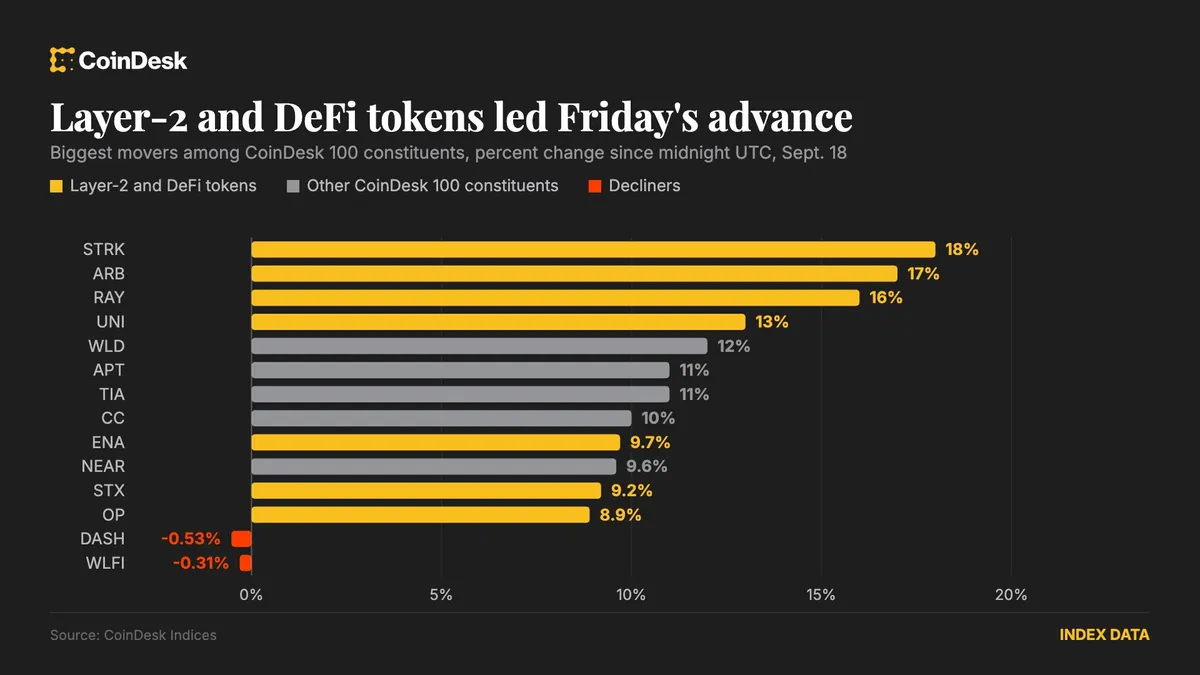
Starknet and Arbitrum surge over 17% as crypto market stabilizes post-Fed hike

Federal Reserve hike raises Treasury yields, pressuring crypto lending rates

XRPL's closed-ended vaults may restrict XRP access for long periods