Ethereum price pullback to $2,100 pits oil pressure against AI, tokenization bets

The recent pullback in Ethereum’s price to around $2,100 has raised significant concerns among traders and investors alike. Over the past week, ETH has experienced a nearly 10% decline, effectively erasing the gains made in May. This downturn has not only shifted traders' attention back to the psychological $2,000 support level but has also sparked discussions about the underlying factors influencing this price movement. The current market dynamics, including pressure from fluctuating oil prices and the increasing prominence of AI and tokenization projects, have created a complex environment for Ethereum and the broader cryptocurrency market.
To understand the context of this pullback, it's essential to look at the broader economic landscape. As oil prices fluctuate, they can impact overall market sentiment, including that of cryptocurrencies. Investors often view oil as a barometer for global economic health, and rising oil prices can lead to increased inflation concerns, which may drive investors towards traditional assets as a hedge. Meanwhile, the burgeoning interest in AI and tokenization has intensified competition in the crypto space, with new projects vying for attention and investment. These factors combined have contributed to a cautious approach among traders, leading to the recent price decline.
The implications of this pullback for the market are significant. Ethereum, being one of the largest and most influential cryptocurrencies, often serves as a bellwether for the entire crypto ecosystem. A sustained decline below $2,000 could trigger a wave of selling pressure, potentially leading to further price declines across the market. Moreover, if traders lose confidence in Ethereum’s ability to recover, it could dampen enthusiasm for other altcoins, creating a ripple effect throughout the crypto sector.
Industry reactions to Ethereum’s recent price action have been mixed. Some market analysts view the pullback as a healthy correction after a period of growth, while others express concerns about the impact of external economic factors. Experts are divided on whether this decline signifies a short-term setback or a more prolonged bearish trend. Notably, some industry leaders advocate for a focus on the long-term potential of Ethereum, emphasizing its foundational role in facilitating decentralized finance (DeFi) and non-fungible tokens (NFTs).
Looking ahead, the future trajectory of Ethereum will likely depend on both market sentiment and external economic conditions. Traders will closely monitor key support levels, particularly the $2,000 mark, as a break below this threshold could lead to increased volatility. Additionally, developments in the AI and tokenization sectors may influence investor confidence and affect Ethereum’s recovery potential. As we navigate this uncertain landscape, keeping an eye on macroeconomic indicators and broader market trends will be crucial for understanding the future of Ethereum and its role in the cryptocurrency ecosystem.

CoinMagnetic Team
Crypto investors since 2017. We trade with our own money and test every exchange ourselves.
Updated: May 2026
From our insights:
Related news

Bitcoin surges past $86,000 as $1 billion in shorts are liquidated, eyes on $90,000
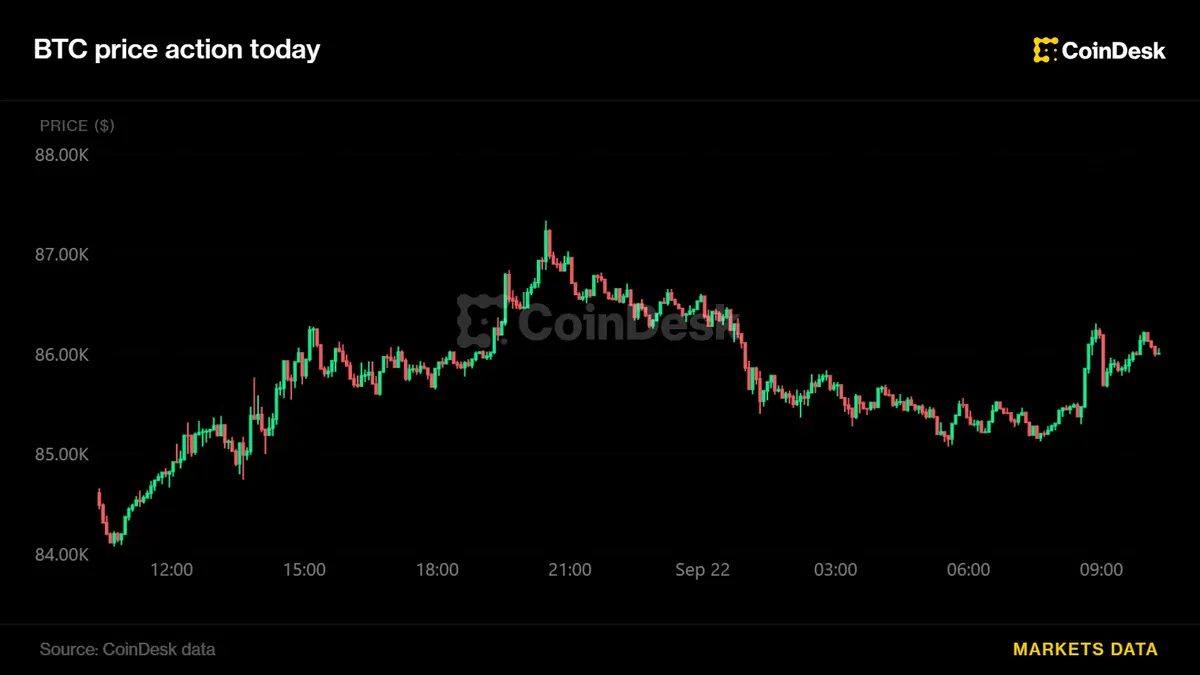
Bitcoin bounces back to $86,000 as oil prices decline and stocks rise

Prediction markets projected to reach $10 trillion by 2035, surpassing sports
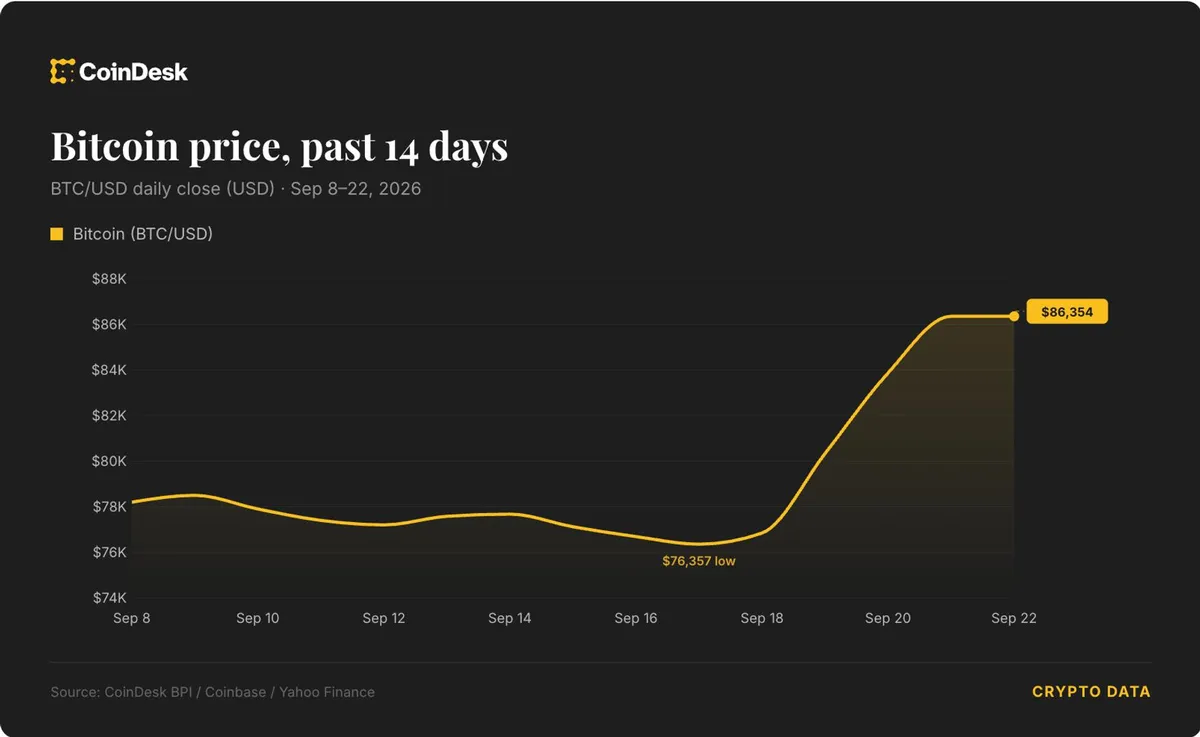
Iran hints at reopening Strait of Hormuz, WTI oil drops to $89

New altseason signal emerges as Bitcoin market cap stays under 60%