Ethereum sees institutional backing for Ethlabs' proposal to cut block times

Ethereum has recently garnered significant institutional support for Ethlabs’ proposal to reduce block times on its network. The non-profit organization highlighted that the growing institutional activity on the Ethereum smart-contract network necessitates a faster transaction processing system. By decreasing block times, the Ethereum community aims to enhance overall network efficiency and user experience, which is increasingly important as more institutions engage with decentralized technologies.
The proposal comes at a time when Ethereum is experiencing unprecedented interest from institutional investors. With the rise of decentralized finance (DeFi) and non-fungible tokens (NFTs), the Ethereum network has seen a substantial increase in transaction volumes and user engagement. As institutions begin to adopt blockchain technologies more frequently, they are seeking ways to optimize their operations and ensure that the network can handle increased demand without significant delays.
This development is crucial for the market as it reflects a broader trend of institutional adoption of cryptocurrencies and blockchain technology. Faster block times could lead to lower transaction costs and quicker confirmations, making Ethereum more attractive to both retail and institutional investors. A more efficient network may also encourage further innovations within the Ethereum ecosystem, boosting the overall value of ETH and associated projects.
Industry experts have reacted positively to the support for Ethlabs’ motion, noting that reducing block times could significantly improve Ethereum's competitiveness against other blockchain platforms. Some analysts argue that this change could help cement Ethereum's position as the leading smart-contract platform, especially as other networks also aim to enhance their transaction speeds. The coordination between various stakeholders within the Ethereum community, including developers and institutional players, indicates a collective commitment to improving the network.
Looking ahead, the next steps will involve discussions among Ethereum's core developers and community members to evaluate the feasibility of the proposed changes. If the motion is approved, we could see a timeline for implementation emerge, which would be pivotal for Ethereum as it continues to evolve in response to market demands and competition from other blockchain technologies.

CoinMagnetic Team
Crypto investors since 2017. We trade with our own money and test every exchange ourselves.
Updated: September 2026
From our insights:
Related news

DHS's predictive policing based on spending habits criticized as unconstitutional

Microsoft warns staff of potential 'doom loop' amid AI labor theft concerns

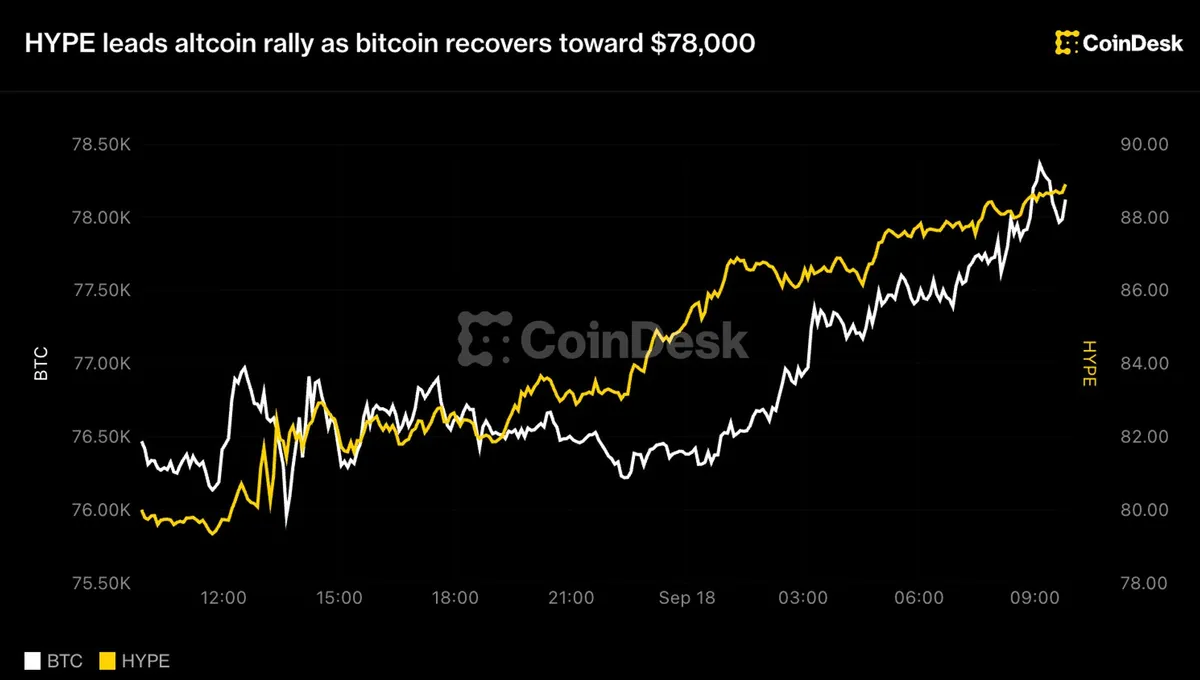
HYPE reaches all-time high of $90.92 as Hyperliquid introduces manual borrowing
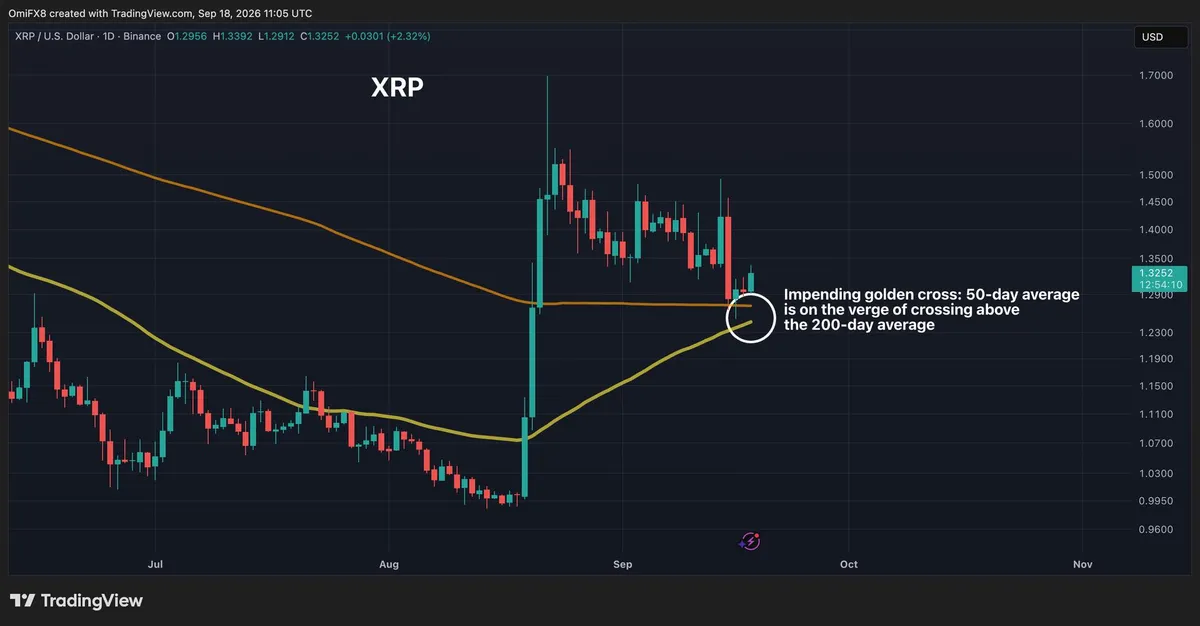
XRP nearing a golden cross as attention shifts to altcoins

Bitcoin bullish as Fisher Transform indicator shows rare crossover for fourth time