Hoodi activation called off as gas rules threaten smart contracts
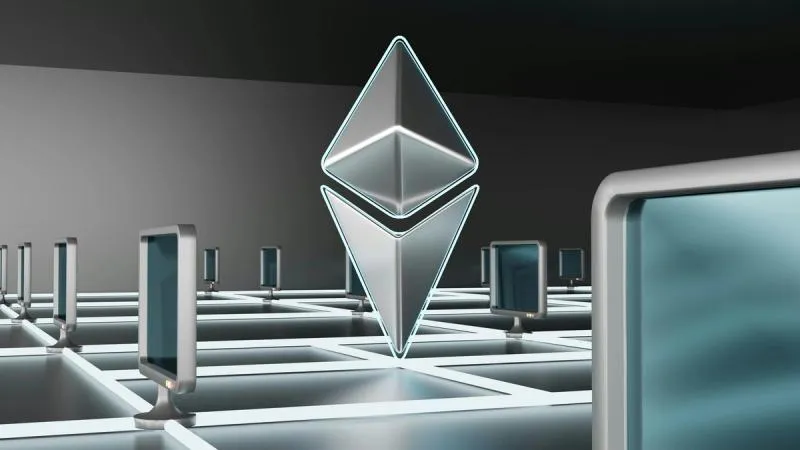
Ethereum developers made the decision to cancel Monday's scheduled Hoodi activation after security researchers raised serious concerns. The proposed Glamsterdam test was put on hold following findings that new gas rules introduced in the upgrade could introduce unexpected vulnerabilities. Specifically, researchers demonstrated how the updated mechanics might allow smart contracts to permanently record failed operations on the blockchain, creating potential long-term data bloat and execution issues.
Testnets like Hoodi serve as crucial proving grounds for the Ethereum network before any code reaches the mainnet. These environments allow core contributors and security researchers to stress-test protocol upgrades, find edge cases, and evaluate the real-world impact of changes to the Ethereum Virtual Machine. Upgrades often involve intricate modifications to how gas is priced and consumed, making rigorous pre-deployment checks an essential safeguard for the broader ecosystem.
For the wider cryptocurrency market, this delay underscores the cautious approach developers take when dealing with core protocol logic. Smart contract integrity forms the backbone of decentralized finance, non-fungible tokens, and numerous other applications running on Ethereum. Any flaw in how transactions or gas are handled could put billions of dollars in total value locked at risk, making thorough vetting far more critical than adhering to a strict launch calendar.
The swift response from the development community drew praise from various security analysts and node operators. By prioritizing network stability and smart contract safety over delivery speed, the core teams demonstrated a mature risk-management framework. Security researchers who flagged the issue were quick to share their findings, prompting the immediate cancellation of the Hoodi activation before any permanent harm could occur.
As the dust settles from the postponed test, developers are expected to review the problematic gas rules and redesign the mechanics to prevent the unintended contract behavior. A new timeline for the Glamsterdam upgrade has not yet been finalized as engineers work through the necessary code revisions. The community will be watching closely for updated testnet dates once the underlying vulnerabilities are fully addressed.

CoinMagnetic Team
Crypto investors since 2017. We trade with our own money and test every exchange ourselves.
Updated: October 2026
From our insights:
Related news

Ethereum delays Glamsterdam Hoodi testnet launch over security risks

Polymarket marketing chief Matthew Modabber reportedly ousted following internal probe

Cardano treasury faces $5 million bet on tokenized copper reaching new highs

HSBC rolls out its first HKD stablecoin RedCoin to retail users
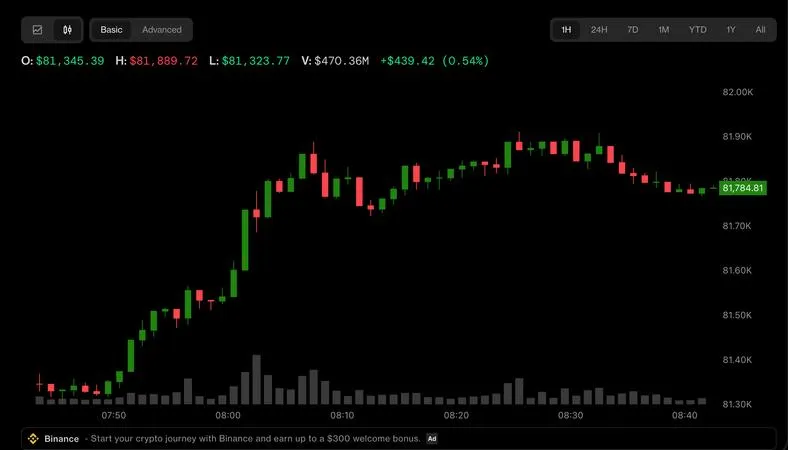
Asian market rebound helps bitcoin and gold recover from early session losses