Ethereum arbitrage study reveals builders receive $5 for every $1 burned by the network
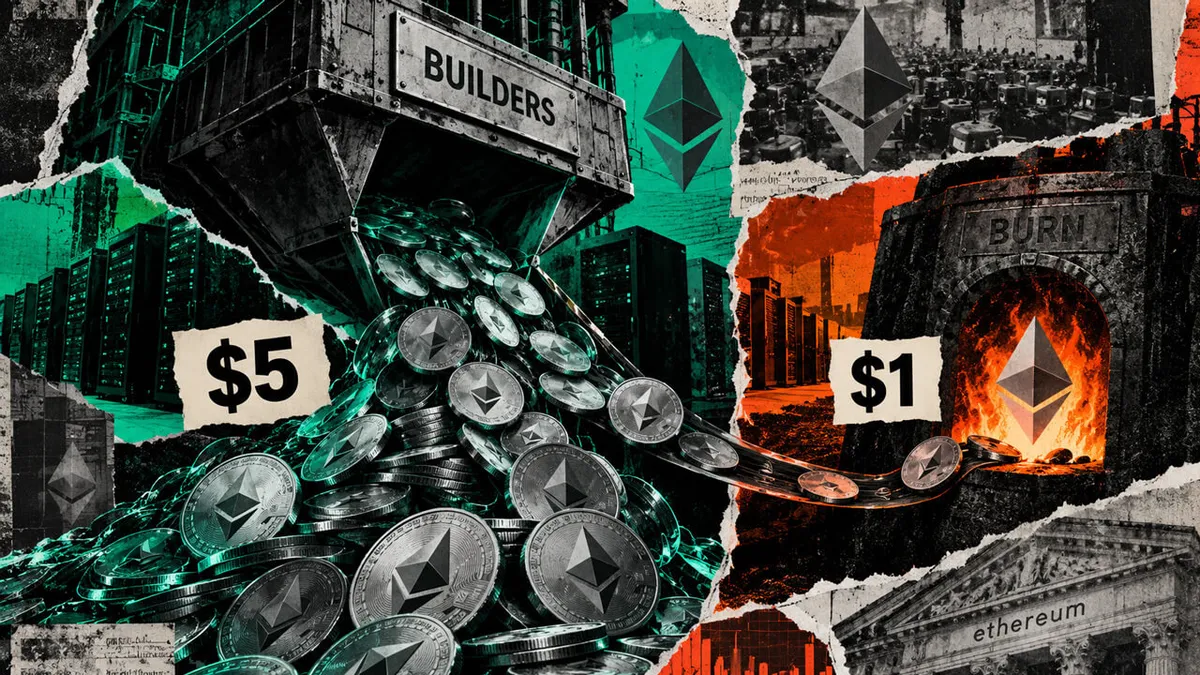
A recent study by Bitquery has shed light on the economics of Ethereum's network, revealing that builders are earning five times more than what is burned by the network. Analyzing a 30-day sample, the research separates the trading proceeds from the reduction in ETH supply due to network fees, indicating a significant imbalance in profitability. This study underscores the intricate dynamics of how transactions on the Ethereum blockchain impact not only the supply but also the income of those facilitating these transactions.
The Ethereum network has undergone various upgrades, including the implementation of EIP-1559, which introduced a mechanism for burning a portion of transaction fees. This change aimed to improve the fee structure and reduce inflationary pressures on the currency. However, the findings from Bitquery suggest that while the burning of ETH is intended to create scarcity and potentially increase value, builders are capitalizing significantly on the trading activity, raising questions about the long-term sustainability of this model.
Understanding this ratio of earnings to burning is crucial for market participants. The fact that builders are profiting at such a high rate could indicate a thriving ecosystem for developers and validators on the Ethereum blockchain. However, it also raises concerns about the implications for the ETH supply and the long-term price dynamics. If builders are able to consistently earn substantially more than what is being burned, it could lead to a situation where the inflationary aspects of the network counterbalance the deflationary pressures created by the burn.
Industry experts have responded to this study with a mix of intrigue and caution. Some analysts believe that the findings highlight a potential opportunity for innovation within the Ethereum ecosystem, as builders are incentivized to create more efficient and profitable applications. Others, however, warn that this disparity could lead to a perception issue among ETH holders, as the network's intended deflationary mechanics may not be functioning as originally envisioned.
Looking ahead, the implications of this study may influence future governance and development decisions within the Ethereum community. As discussions around network upgrades and fee structures continue, stakeholders will likely need to address the balance between rewarding builders and ensuring a sustainable economic model for ETH holders. This ongoing dialogue could lead to further adjustments in the protocol to better align incentives across the ecosystem.

CoinMagnetic Team
Crypto investors since 2017. We trade with our own money and test every exchange ourselves.
Updated: September 2026
From our insights:
Related news

Millions of attacks hit PHP servers after patch release as governments report zero breaches
Circle shareholder claims Trump's actions harmed USDC competitiveness
Tesla profits decline 43 percent to $787 million amid heavy AI and robotics investments

Global markets slip as crude tops $111 and tech giants face heavy losses
Stablecoin adoption reaches financial advisors as prime time beckons