Estonia Wants to Give AI Agents Their Own National ID

Estonia is making headlines with a groundbreaking proposal to provide artificial intelligence (AI) agents their own national identification codes, a move backed by Prime Minister Kristen Michal. This initiative aims to create a legal framework that would allow AI systems to operate with a form of identity distinct from their human owners. By issuing personal identification codes specifically for AI agents, the Estonian government seeks to address the growing complexities surrounding the use of AI technologies in various sectors, from healthcare to finance. This proposal is part of a larger strategy to position Estonia as a leader in digital governance and innovation.
The idea of assigning identification codes to AI agents is rooted in the rapid advancements in AI technologies and their increasing integration into daily life. As AI systems become more autonomous and capable of performing tasks traditionally done by humans, the need for a clear legal identity for these entities has become evident. Estonia has long been at the forefront of digital innovation, having implemented e-government services and digital identity programs for its citizens. The current proposal is a continuation of this trend, aiming to ensure that AI systems are not only regulated but also held accountable for their actions.
This move could have significant implications for the market, particularly in how businesses and governments interact with AI technologies. By formalizing the status of AI agents, Estonia may pave the way for new regulatory frameworks that other countries could adopt. This could lead to increased investment in AI development, as companies would have greater clarity on the legal landscape surrounding their technologies. Furthermore, a national ID for AI could facilitate smoother transactions and interactions between AI systems and humans, potentially driving efficiency and innovation across various sectors.
Reactions within the industry have been mixed. Some experts have praised the initiative as a progressive step toward establishing a framework for AI accountability and ethics. They argue that creating a distinct legal identity for AI agents could help mitigate risks associated with their use, such as bias and transparency issues. However, others have raised concerns about the feasibility and potential consequences of such a system. Questions remain about how these identification codes would be managed, and whether they could inadvertently create new challenges in terms of regulation and oversight.
Looking ahead, the proposal's success will depend on how it is implemented and accepted by both the public and private sectors. If Estonia moves forward with this initiative, it could set a precedent for other nations to follow, influencing the global discourse on AI regulation. As the conversation around AI continues to evolve, the outcomes of Estonia's bold step may serve as a critical case study for how societies can adapt to and integrate advanced technologies while addressing ethical and legal complexities.

CoinMagnetic Team
Crypto investors since 2017. We trade with our own money and test every exchange ourselves.
Updated: June 2026
From our insights:
Related news

Bitcoin's weekly close above $81,000 signals potential rise to $90,000

Elon Musk's X integrates bitcoin trading options for U.S. users
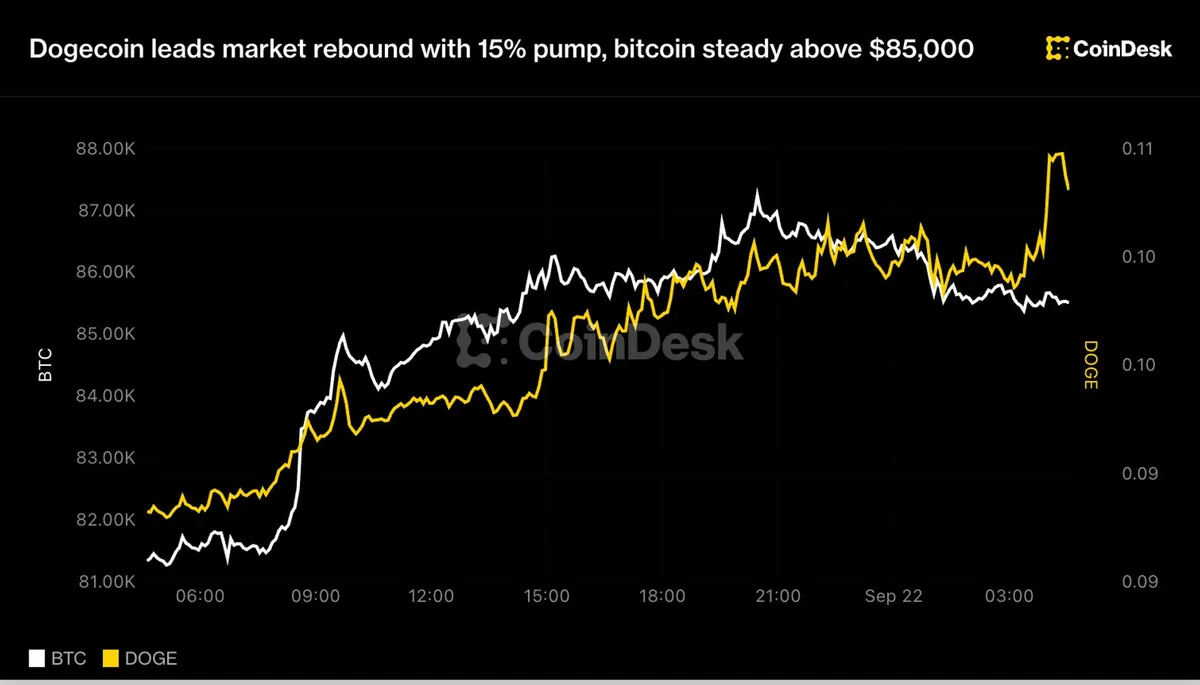
Dogecoin's 15% surge drives market recovery as bitcoin stabilizes above $85,000

Cardano adds tools for AI agent payments, joining Solana and XRP Ledger

Trueo prediction market moves from Base to Ethereum