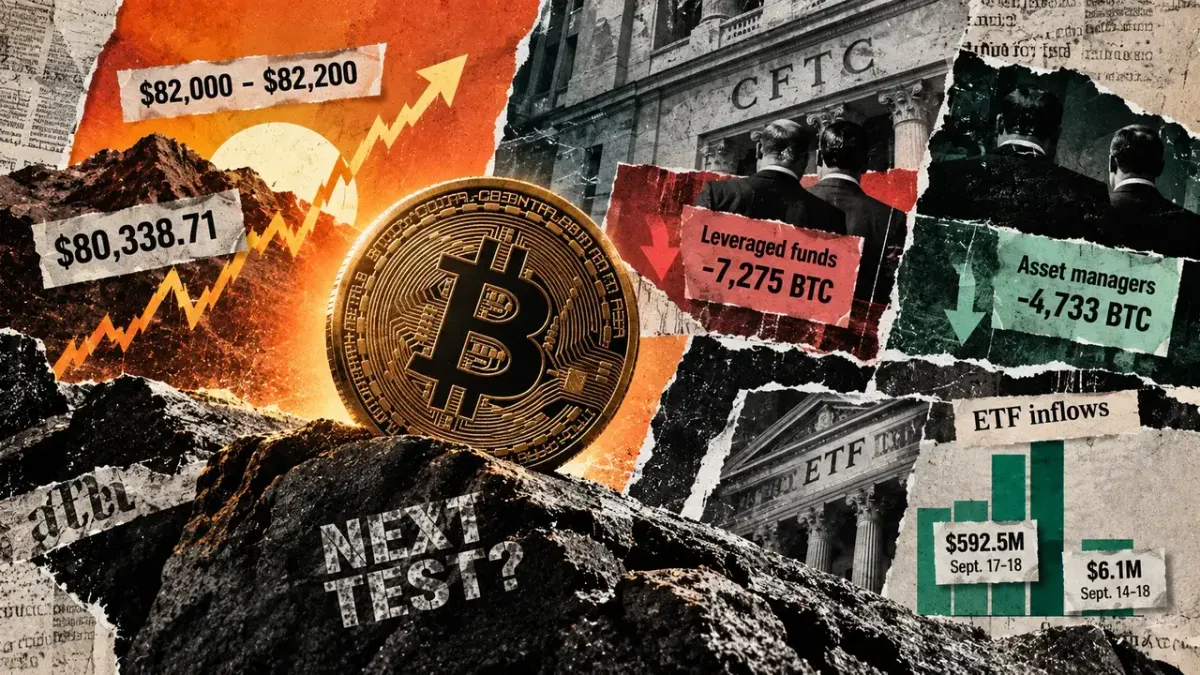
Eric Trump takes shot at JPMorgan rethinking bitcoin after 'crapping' on asset

In recent comments, Eric Trump, the son of former President Donald Trump and co-founder of American Bitcoin, criticized JPMorgan Chase for its previous stance on Bitcoin. He pointed out that the banking giant had been dismissive of the cryptocurrency, previously describing it in derogatory terms. However, Trump noted a significant shift in JPMorgan's approach, suggesting that the institution is now reconsidering its position on Bitcoin as the asset gains traction in the financial world. This change reflects a broader trend among traditional financial institutions that are increasingly recognizing the potential of cryptocurrencies.
The context surrounding JPMorgan's relationship with Bitcoin has evolved substantially over the past few years. Initially, the bank's CEO, Jamie Dimon, was vocally skeptical, referring to Bitcoin as a fraud. However, as interest in cryptocurrencies surged, JPMorgan began to adapt its strategy. The bank has since launched its own cryptocurrency, JPM Coin, and has explored ways to integrate blockchain technology into its operations. This evolution is indicative of a larger shift within the financial sector as more institutions begin to take cryptocurrencies seriously, driven by growing mainstream adoption and demand.
This shift in JPMorgan's stance is particularly significant for the cryptocurrency market. As one of the largest and most influential banks in the world, JPMorgan's endorsement–or at least acceptance–of Bitcoin could lend it greater legitimacy in the eyes of institutional investors. Such a move could potentially catalyze further investment in Bitcoin and other cryptocurrencies, driving prices higher and increasing overall market stability. The market often reacts strongly to the actions and opinions of major financial institutions, making JPMorgan's pivot noteworthy.
Industry reactions to Trump's comments and JPMorgan's evolving stance have been mixed. While some experts applaud the bank's shift as a sign of growing acceptance of cryptocurrencies, others caution against reading too much into it. They argue that institutional interest in Bitcoin is still in its infancy and that more substantial regulatory clarity is needed for widespread adoption. Furthermore, some industry professionals express skepticism about whether JPMorgan's change of heart reflects a genuine belief in Bitcoin's value or merely a response to market pressures.
Looking ahead, the question remains: how will JPMorgan's evolving stance influence its competitors and the broader financial landscape? As more traditional institutions consider integrating cryptocurrencies into their offerings, we may see a domino effect that could further legitimize Bitcoin and reshape the financial services industry. It will be essential to monitor how these developments unfold and whether they lead to a more significant shift in institutional attitudes toward cryptocurrencies.

CoinMagnetic Team
Crypto investors since 2017. We trade with our own money and test every exchange ourselves.
Updated: May 2026
From our insights:
Related news
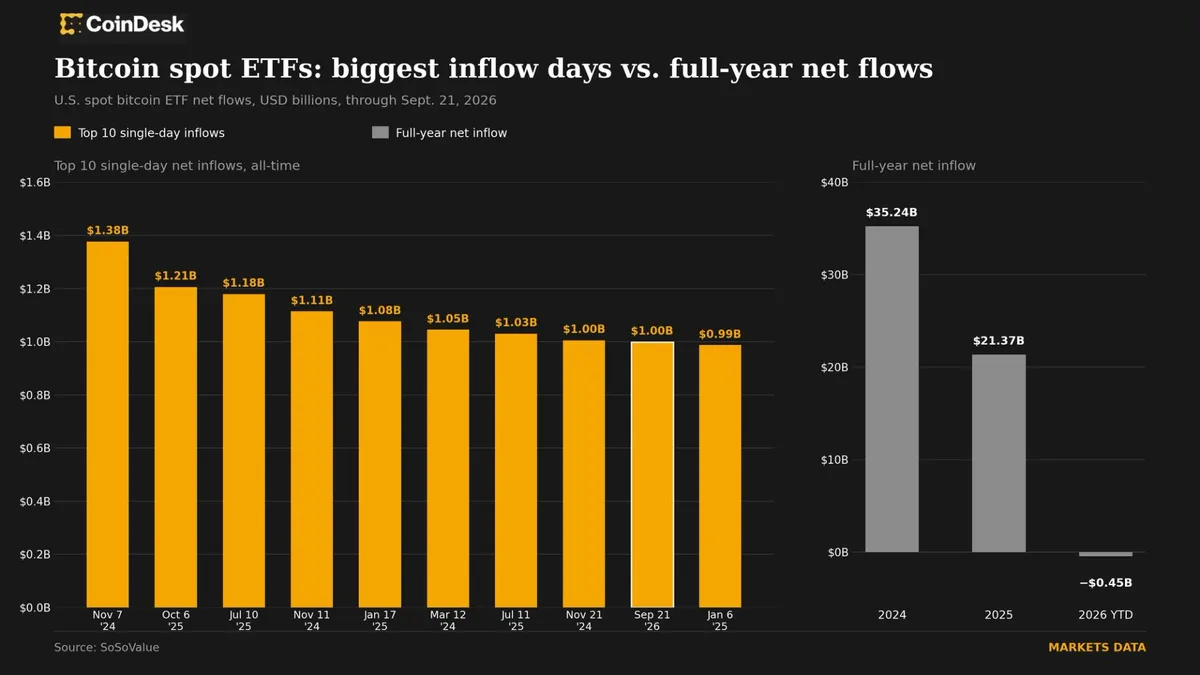
Spot bitcoin ETFs see nearly $1 billion inflow as bitcoin hits January highs

US spot Bitcoin ETFs see nearly $1 billion inflow, highest since October 2025
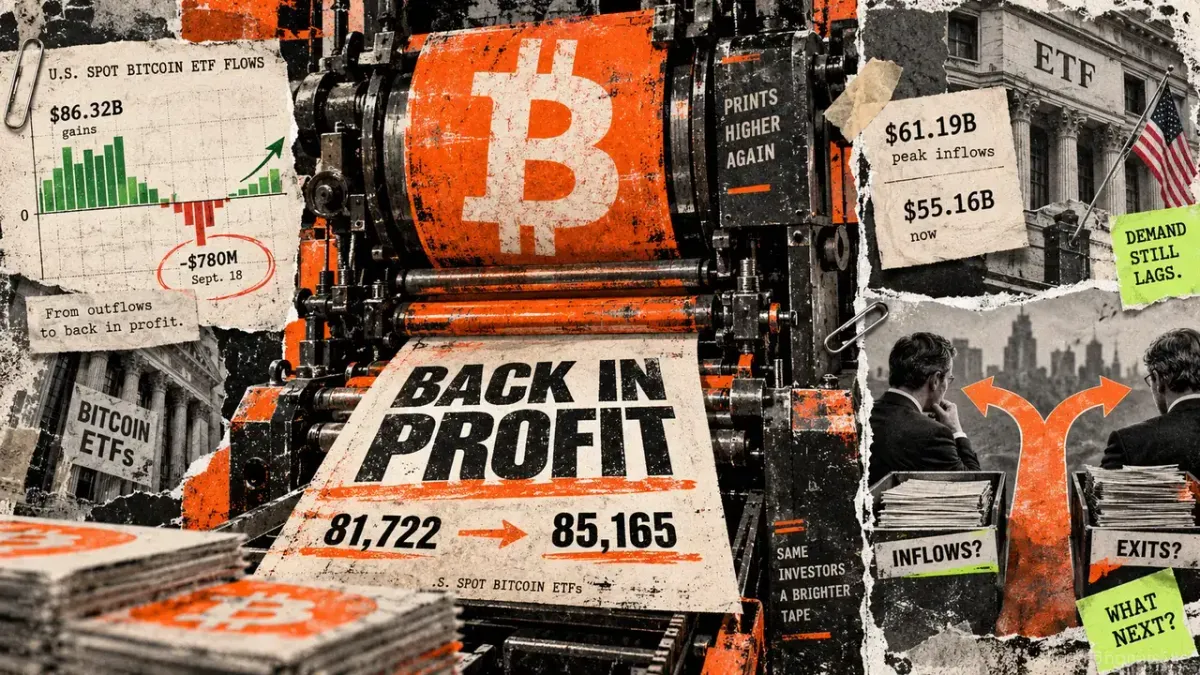
Bitcoin's rise to $86,000 restores profitability for ETF investors
Apple and Google seek crypto experts, signaling potential stablecoin initiatives

ECB initiates bond purchases using its own funds in crypto-linked system