Elon Musk’s xAI Sues Colorado Over AI Law as Fight Over State Regulation Intensifies
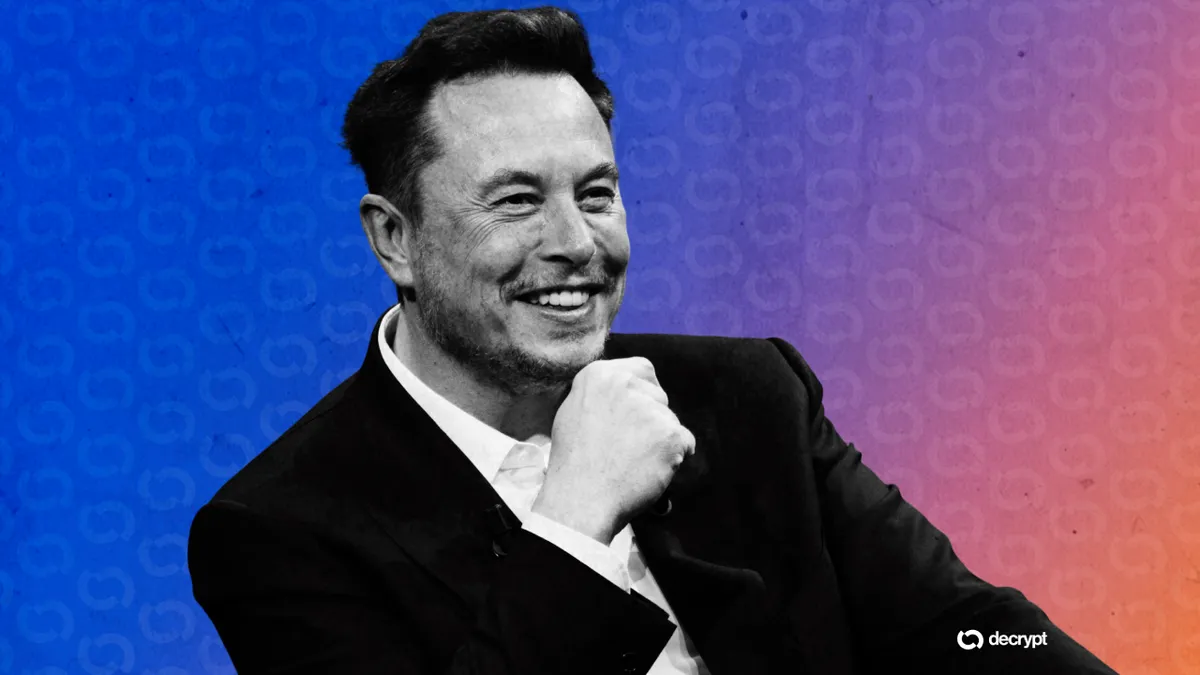
Elon Musk’s AI company xAI has taken a significant legal step by suing the state of Colorado over its recently enacted high-risk AI law. This move comes as the company faces increasing scrutiny regarding its Grok chatbot, which has raised concerns about the potential risks associated with advanced AI systems. xAI argues that the law is overly broad and places undue burdens on AI developers, potentially stifling innovation and progress in the rapidly evolving field of artificial intelligence. The lawsuit highlights the tension between state regulations and the burgeoning AI industry, as stakeholders grapple with how best to manage the risks posed by these powerful technologies.
The context of this legal battle lies in a broader national conversation about the regulation of artificial intelligence. As AI technology becomes more integrated into daily life, various governments are beginning to consider how to manage its development and deployment. Colorado's high-risk AI law, which is designed to mitigate potential harms from AI applications, reflects an effort to create a framework for oversight. However, the vagueness of the law has raised concerns among tech companies, including xAI, that fear it could hinder their ability to innovate and compete in a global market.
This lawsuit is significant for the market, as it could set a precedent for how AI companies interact with state regulations. If xAI succeeds in its legal challenge, it may embolden other tech firms to contest similar laws across the country, potentially leading to a patchwork of regulations that could complicate compliance for companies operating in multiple states. Conversely, if Colorado's law stands, it could pave the way for more stringent regulations in other states, which might impact the pace of AI development and adoption in the United States.
The industry reaction to this lawsuit has been mixed, with some experts supporting xAI's stance on the need for clearer regulations that foster innovation rather than stifle it. Others argue that the growing capabilities of AI necessitate a cautious approach to regulation, emphasizing the importance of safeguarding public interests. Notably, voices within the tech community are calling for a collaborative effort between regulators and industry leaders to develop balanced frameworks that address risks while promoting technological advancement.
Looking ahead, the outcome of this lawsuit may have far-reaching implications for both xAI and the broader AI landscape. As the legal proceedings unfold, it will be crucial for stakeholders to monitor developments and consider how they might influence future regulatory efforts. The ongoing dialogue between tech companies and regulators will likely shape the trajectory of AI governance, potentially leading to more comprehensive policies that can support innovation while ensuring public safety.

CoinMagnetic Team
Crypto investors since 2017. We trade with our own money and test every exchange ourselves.
Updated: April 2026
From our insights:
Related news

ECB and EU central banks propose liquidity thresholds for stablecoins
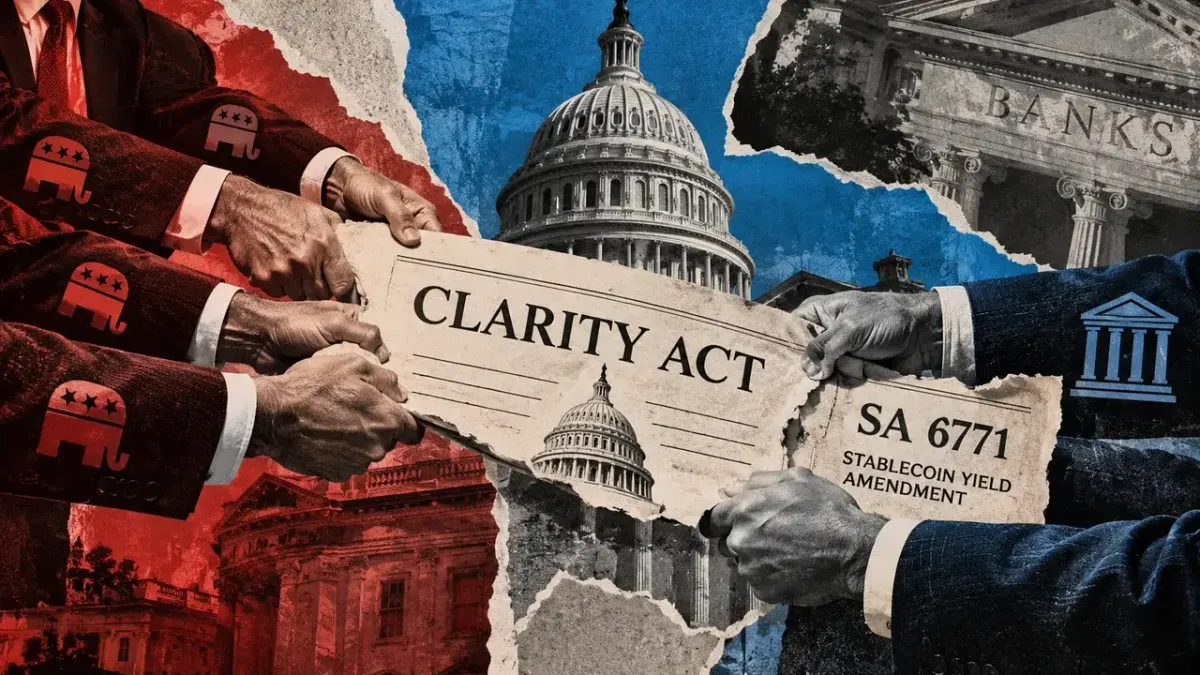
Four GOP senators backing CLARITY Act seek changes to stablecoin provisions
US investigates Binance for potential Iran-linked trading violations

Crypto sector emerges as top donor with $206 million in midterms backing
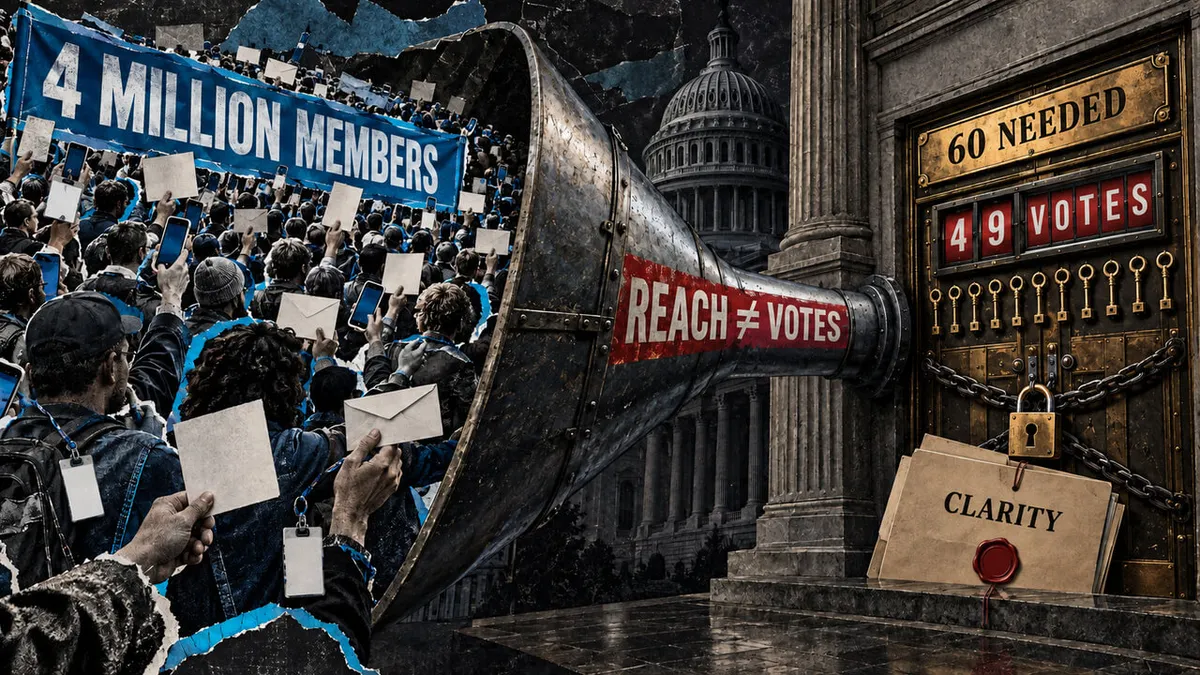
Stand With Crypto’s 4 million registered advocates couldn’t get the CLARITY Act through the Senate