Elon Musk Loses $150 Billion AI Lawsuit Against OpenAI and Sam Altman
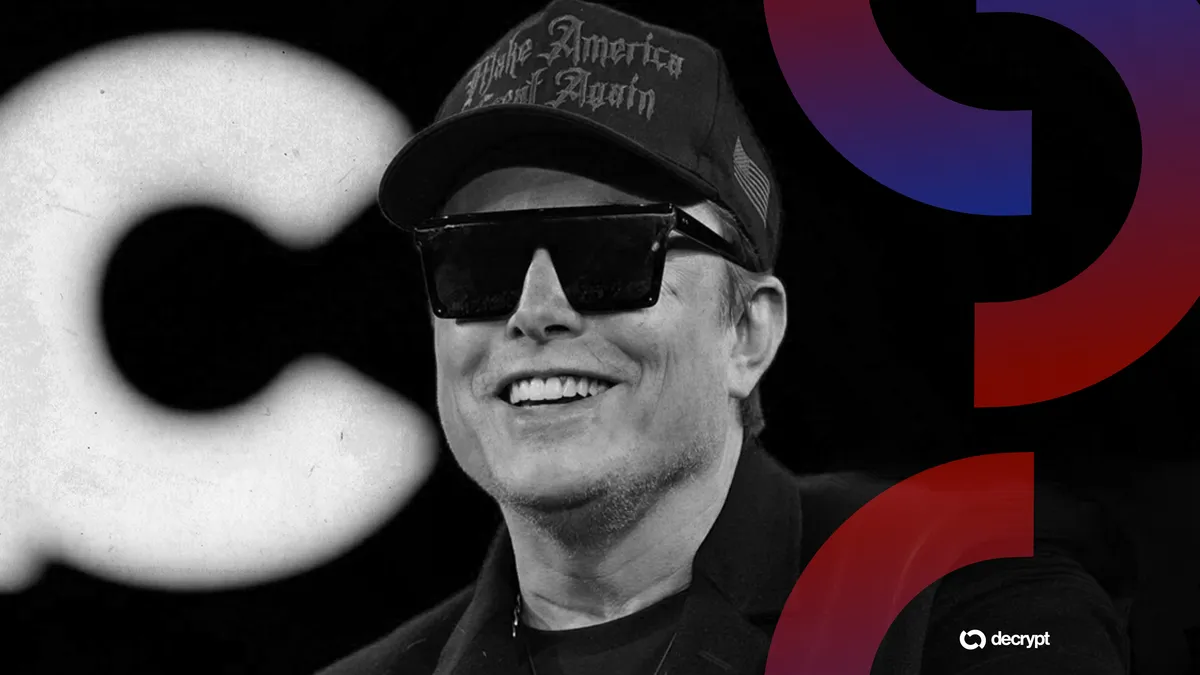
In a significant legal development, Elon Musk has lost a monumental lawsuit against OpenAI and its CEO Sam Altman, with a jury ruling in favor of the AI company he co-founded. Musk sought $150 billion in damages, alleging that OpenAI had strayed from its original mission and caused harm to the public and the AI landscape. The jury's decision not only absolves OpenAI of these claims but also emphasizes the complexities and challenges surrounding the governance of artificial intelligence technologies. This verdict marks a critical point in the ongoing discourse about AI's role in society and the responsibilities of its creators.
To understand the implications of this ruling, it's essential to consider the history of Musk's involvement with OpenAI. Founded in 2015 with the vision of ensuring that artificial general intelligence would benefit humanity, OpenAI has undergone substantial transformations over the years. Musk's departure from the organization in 2018 was characterized by a growing concern regarding the potential risks of AI, leading to his vocal criticism of its development. The lawsuit stems from Musk's belief that OpenAI has shifted away from its foundational principles, raising questions about accountability and ethical considerations in the rapidly evolving AI industry.
The market reaction to this verdict is likely to be multifaceted. On one hand, the ruling could bolster OpenAI's reputation, providing it with a clearer path to innovate without the specter of legal challenges from its co-founder. On the other hand, Musk's claims highlight broader concerns within the tech community regarding the governance of AI technologies. Investors and stakeholders will be closely monitoring how this verdict influences future regulatory discussions and the dynamics between AI developers and their founders.
Industry experts have expressed mixed reactions to the outcome of the trial. Some view the jury's decision as a victory for OpenAI, reinforcing its legitimacy and operational autonomy in the AI sector. Others, however, caution that this case underscores the need for clearer frameworks governing AI development and its implications for society. The legal landscape surrounding AI is still evolving, and experts emphasize that the conversation about ethical responsibilities and societal impact is far from over.
Looking ahead, the verdict could signal a turning point in the ongoing debate about AI ethics and governance. As AI technologies continue to advance and permeate various sectors, stakeholders are likely to demand a more transparent and accountable approach to its development. The outcome of this lawsuit may inspire further discussions about the roles and responsibilities of AI creators, potentially leading to new regulatory frameworks that balance innovation with societal concerns. The implications of this ruling will resonate throughout the industry, shaping the future of AI and its integration into everyday life.

CoinMagnetic Team
Crypto investors since 2017. We trade with our own money and test every exchange ourselves.
Updated: May 2026
From our insights:
Related news
US investigates Binance for potential Iran-linked trading violations
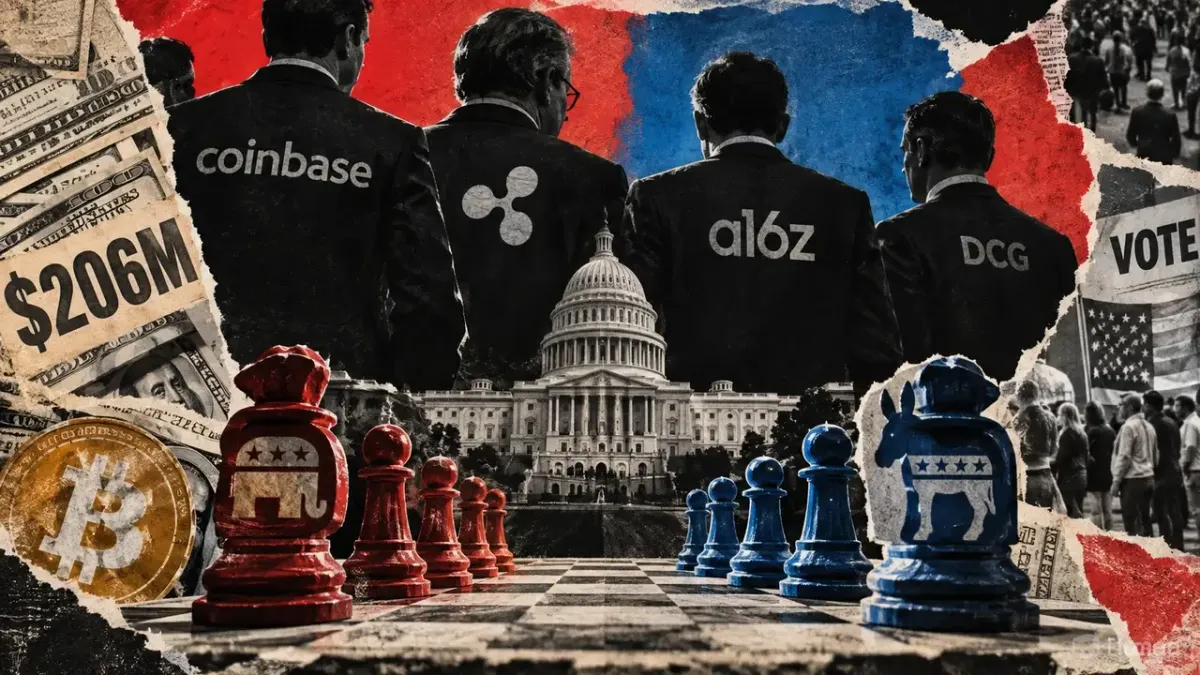
Crypto sector emerges as top donor with $206 million in midterms backing
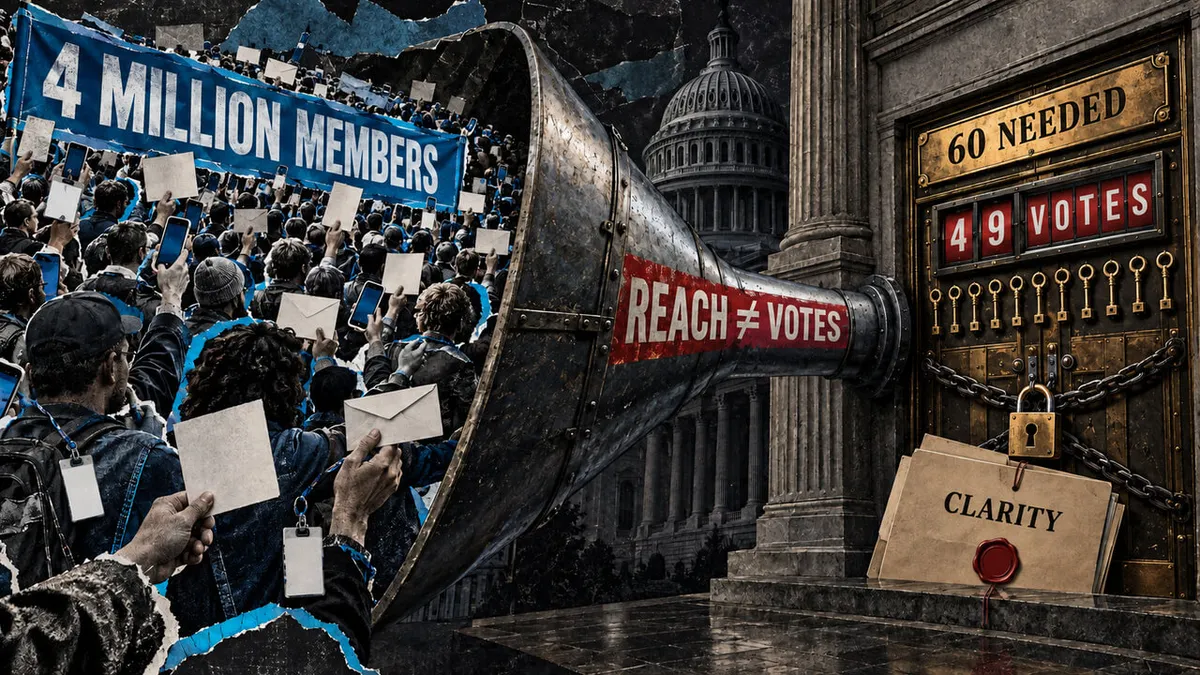
Stand With Crypto’s 4 million registered advocates couldn’t get the CLARITY Act through the Senate

Kakao Pay, KakaoBank to explore stablecoin opportunities with Fireblocks

US Attorney's investigation into Binance focuses on Iran sanctions compliance