Elizabeth Warren once said CBDCs have a “great promise” – Now she’s helping block it
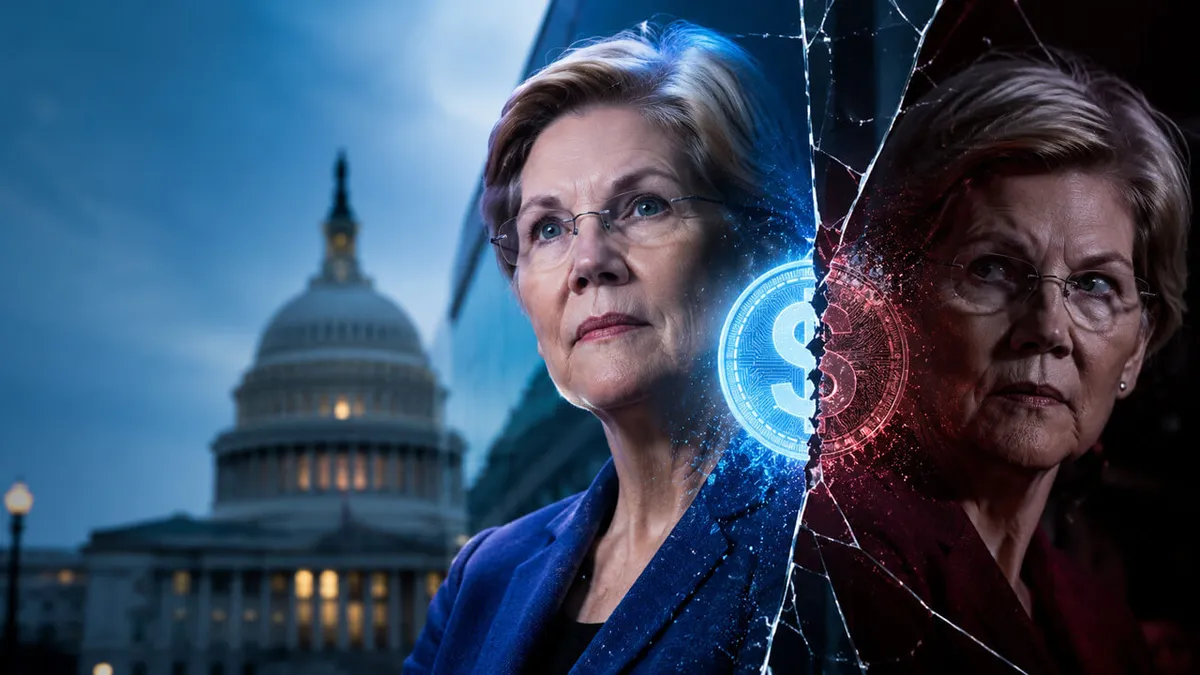
Senator Elizabeth Warren has recently intensified her opposition to Central Bank Digital Currencies (CBDCs), despite having previously acknowledged their potential benefits. In recent statements, she has framed CBDCs as potentially dangerous, echoing her long-standing criticisms of digital assets in general. Warren's efforts to block the advancement of CBDCs signal a significant shift in her stance, raising concerns in the crypto space about the future of state-backed digital currencies. This change comes amidst a broader controversy over the regulation of both traditional cryptocurrencies and emerging digital financial technologies.
To understand Warren's position, it's important to consider the backdrop of her longstanding critique of the crypto industry. Over the last decade, she has consistently highlighted the risks associated with cryptocurrencies, attributing various social and financial issues to their growing popularity. Warren has often linked the rise of digital assets to money laundering, consumer losses, and threats to financial stability, which has positioned her as a prominent voice against what she views as unchecked financial innovation. Her initial acknowledgment of CBDCs' promise seemed to suggest a recognition of their potential to modernize the financial system but now appears to be contradicted by her current stance.
The implications of Warren's opposition to CBDCs extend beyond political posturing–they could have serious ramifications for the market. As governments and central authorities explore the implementation of CBDCs, resistance from influential lawmakers can stall progress and create uncertainty. This hesitation may discourage investment and innovation in the digital currency space, ultimately impacting the broader adoption of both CBDCs and cryptocurrencies. The discourse surrounding Warren's critique could contribute to a more cautious approach from other policymakers, potentially delaying the rollout of digital currency initiatives.
The response from the crypto community and industry experts has been varied. Some view Warren's stance as an overreach that could stifle necessary innovation and economic progress. Others argue that her concerns about consumer protection and financial stability are valid and warrant serious consideration. Industry leaders have called for balanced dialogue that encompasses both the potential benefits of CBDCs and the risks they might pose to the existing financial ecosystem. As a result, the debate around CBDCs has become increasingly polarized, reflecting broader tensions in the conversation around digital finance.
Looking ahead, the future of CBDCs in the U.S. remains uncertain. As Warren and other lawmakers continue to voice their concerns, the Federal Reserve and other financial authorities will need to navigate these political waters carefully. The outcome of this debate could shape not only the trajectory of CBDC development but also the regulatory environment for all digital currencies. The next steps will likely involve further discussions and hearings, where stakeholders from various sectors will weigh in on how best to balance innovation with regulation, ultimately determining the fate of CBDCs in the American financial landscape.

CoinMagnetic Team
Crypto investors since 2017. We trade with our own money and test every exchange ourselves.
Updated: June 2026
From our insights:
Related news

Bitcoin's weekly close above $81,000 signals potential rise to $90,000

Elon Musk's X integrates bitcoin trading options for U.S. users

Dogecoin's 15% surge drives market recovery as bitcoin stabilizes above $85,000

Cardano adds tools for AI agent payments, joining Solana and XRP Ledger

Trueo prediction market moves from Base to Ethereum