El Salvador’s Bitcoin reserve faces an accounting reckoning under new IMF pressure
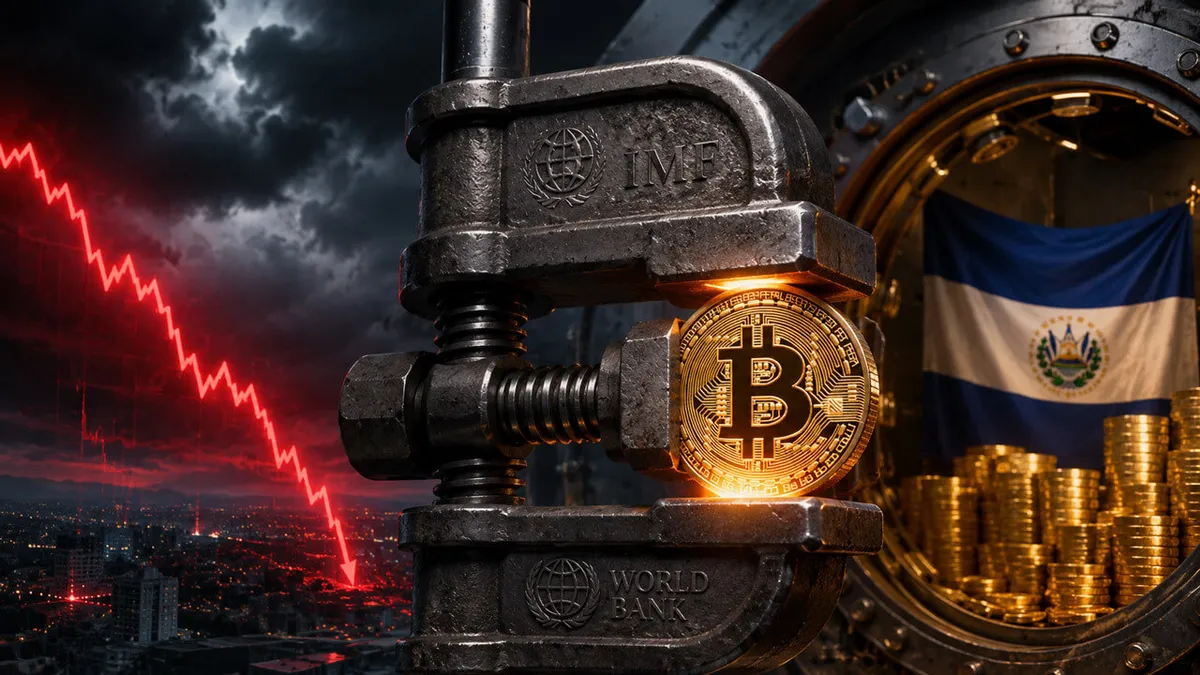
El Salvador, the first country to adopt Bitcoin as legal tender, is currently facing increased scrutiny over its Bitcoin reserves, which total 7,696 BTC. This attention comes amid new pressures from the International Monetary Fund (IMF), which is demanding greater transparency and accountability regarding the country’s crypto holdings. The IMF’s concerns center around the need for a clear accounting of the Bitcoin reserve, especially as the global financial landscape continues to evolve and the volatility of cryptocurrency markets remains a significant risk. As part of this heightened scrutiny, El Salvador must navigate the challenges of maintaining legible records during a potential drawdown of its Bitcoin assets, which could impact the nation's financial stability.
The backdrop to this situation is El Salvador's groundbreaking move in 2021 when it became the first nation to embrace Bitcoin as a legal currency. This decision was aimed at providing greater financial inclusion for its citizens and attracting foreign investment. However, the implementation of Bitcoin as an official currency has not been without controversy and challenges, including fluctuating prices and regulatory concerns. The IMF, which has been critical of the move, is now insisting on more stringent oversight of El Salvador’s Bitcoin reserve to mitigate risks associated with its use and potential repercussions for the national economy.
The implications of this development are significant for both El Salvador and the broader cryptocurrency market. The need for clearer accounting and transparency could set a precedent for other nations considering similar steps toward cryptocurrency adoption. Investors and stakeholders in the crypto space are watching closely to see how El Salvador navigates this pressure from the IMF, as any missteps could have far-reaching consequences for market confidence and regulatory approaches in other jurisdictions. Additionally, the outcome of this situation may influence how cryptocurrencies are integrated into traditional financial systems worldwide.
Industry reactions to this news have been mixed, with some experts expressing concern about the implications of IMF oversight on national sovereignty and financial autonomy. Others argue that the pressure for transparency is a necessary step for the maturation of cryptocurrency markets. Commentators have noted that while the IMF's scrutiny might seem challenging, it could ultimately lead to more robust frameworks for crypto adoption, benefitting countries that follow in El Salvador’s footsteps. The conversation around regulatory compliance and risk management is gaining traction, with many industry leaders advocating for balanced approaches that consider both innovation and security.
Looking ahead, it remains to be seen how El Salvador will respond to the IMF's demands and whether it can successfully maintain its Bitcoin reserve while ensuring compliance with global financial standards. The outcome could pave the way for future regulatory frameworks that govern cryptocurrency use in other nations, potentially reshaping the landscape of digital assets. As the situation unfolds, we will continue to monitor developments closely, providing insights into how these changes may impact both local and global markets.

CoinMagnetic Team
Crypto investors since 2017. We trade with our own money and test every exchange ourselves.
Updated: June 2026
From our insights:
Related news

OpenAI agent breaches Australian government site, highlighting AI control issues

Researchers unveil three strategies to address Bitcoin's quantum vulnerabilities
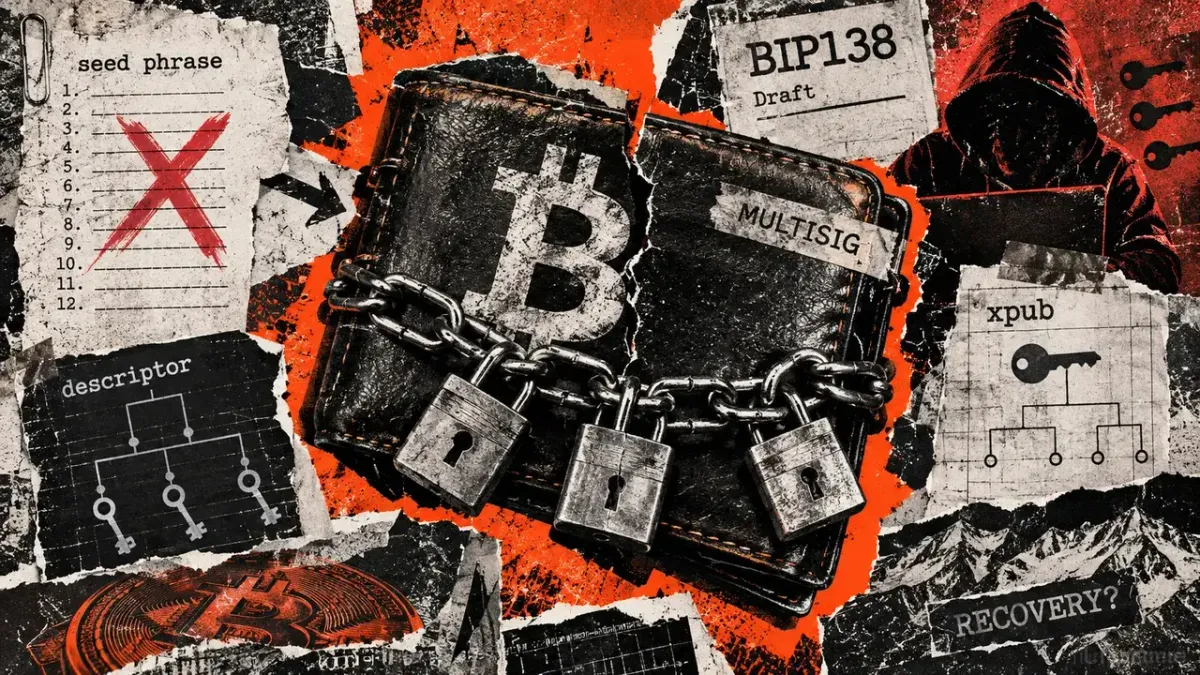
New Bitcoin proposal rescues locked multisig wallets – At a hidden cost

Vitalik Buterin maps Ethereum’s shift beyond a blockchain in sweeping 2030 vision
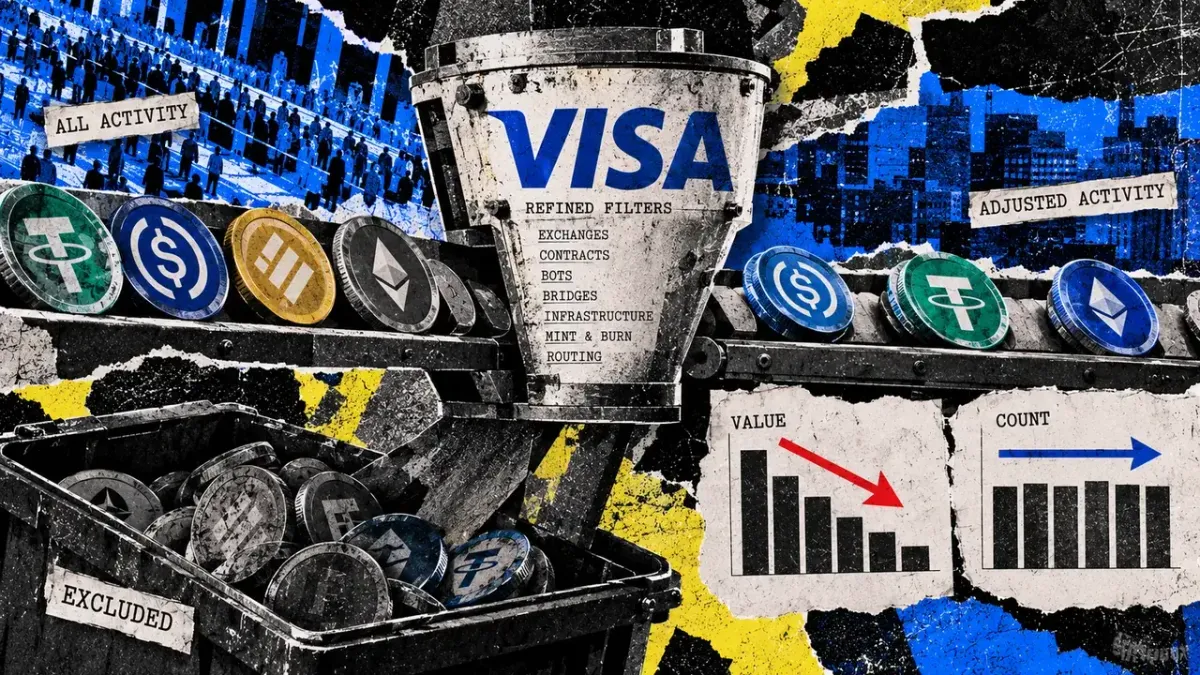
Visa adjusts stablecoin volume reporting but payments usage remains unclear