ECB's Lagarde’s digital euro warning: Why Europe shouldn’t just copy the U.S. stablecoin model
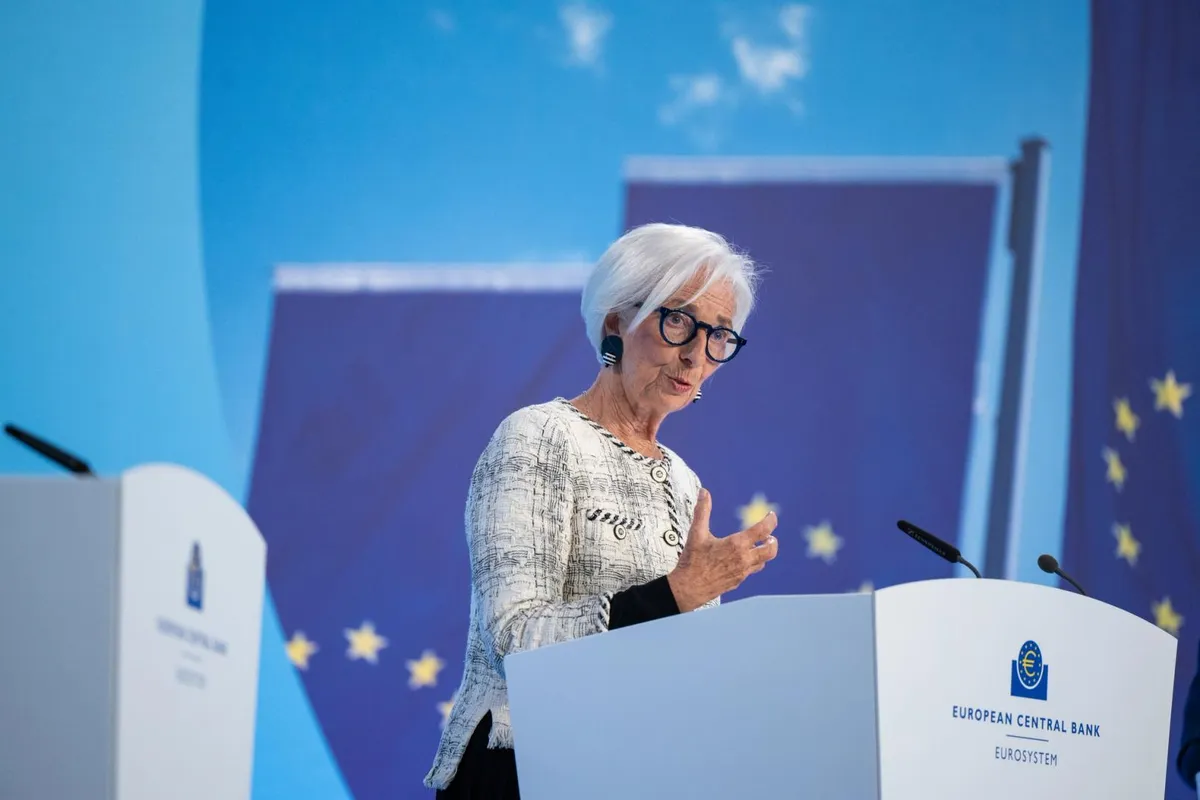
European Central Bank President Christine Lagarde recently issued a cautionary statement regarding the adoption of a digital euro, highlighting the potential pitfalls of simply replicating the U.S. stablecoin model. In her remarks, Lagarde pointed to the dominance of large stablecoins such as Tether and USDC, which collectively represent a significant portion of the current $310 billion stablecoin market. She expressed concerns that these assets could pose serious financial stability risks, particularly during periods of market stress, as they might exacerbate turmoil in the underlying asset markets.
The backdrop to Lagarde’s warning lies in the growing prominence of stablecoins in the global financial ecosystem. While the U.S. has seen a rapid expansion in the use and issuance of these digital currencies, the European Union is still navigating its regulatory framework for digital assets. The ECB has been exploring the concept of a central bank digital currency (CBDC) for some time, motivated by the need to modernize payment systems and address the challenges posed by decentralized cryptocurrencies and stablecoins. Lagarde's remarks highlight the importance of developing a digital euro that prioritizes financial stability and consumer protection.
This warning comes at a crucial juncture for the European market, as the region seeks to establish its own digital currency framework. The implications of Lagarde's statements are significant, as they underscore the need for a more cautious and considered approach to the integration of digital currencies in the European financial landscape. The ECB's emphasis on not merely copying the U.S. model suggests a desire to create a unique digital euro that reflects the specific needs and risks of the European economy, potentially setting a precedent for how central banks approach digital currencies globally.
Industry experts have responded to Lagarde's comments with a mix of support and skepticism. Many agree that the lessons learned from the U.S. stablecoin market should inform the development of the digital euro, emphasizing the importance of regulatory oversight and risk management. However, some critics argue that an overly cautious approach could stifle innovation and limit the potential benefits of digital currencies. The ongoing debates indicate a broader conversation about the balance between regulation and innovation in the evolving landscape of digital finance.
Looking ahead, the ECB is likely to continue its exploration of the digital euro, incorporating insights from both domestic and international markets. As discussions evolve, stakeholders will be keenly observing how the ECB balances the need for financial stability with the potential for innovation and growth in the digital currency sector. The path forward will be crucial not only for Europe but also for setting a benchmark for how central banks worldwide navigate the complex dynamics of digital currencies in the years to come.

CoinMagnetic Team
Crypto investors since 2017. We trade with our own money and test every exchange ourselves.
Updated: May 2026
From our insights:
Related news

Ancient wallets move $161 million in bitcoin, including 600 BTC today

CFTC Chairman Selig emphasizes need for markets to adapt to mass tokenization

Republican senator seeks investigation into presidential sons' crypto ties

OpenAI cuts prices 50% on mid-tier models as Anthropic unveils Claude Opus 5.5

Bernstein revises prediction markets to $10 trillion by 2035, up from $1 trillion