EBA designates Circle’s USDC as the EU’s first ‘significant’ e-money token
We have seen a major regulatory milestone unfold as the European Banking Authority officially designated Circle Internet Financial's USDC as the European Union's first significant e-money token. This classification brings the prominent stablecoin under direct supervisory oversight by the European authority, marking a critical step in how digital assets are integrated into the region's formal financial framework. The new supervisory responsibilities are scheduled to begin on November 12, setting a precedent for other digital currencies operating within the bloc.
This decision arrives as part of the broader implementation of the Markets in Crypto-Assets regulation, known as MiCA, which aims to bring comprehensive legal clarity to the digital asset sector across member states. E-money tokens like USDC are designed to maintain a stable value by referencing an official fiat currency, making them popular instruments for trading, remittances, and decentralized finance applications. Until now, these assets operated under a fragmented patchwork of national rules, but the new framework introduces a unified standard for issuers.
For the broader cryptocurrency market, this designation matters immensely because it bridges the gap between traditional finance and decentralized innovation. Being labeled as significant means that USDC issuers will face heightened scrutiny regarding their reserve assets, liquidity management, and operational resilience. While compliance costs will inevitably rise for issuers, this regulatory stamp of approval could ultimately boost institutional confidence, encouraging traditional financial institutions to engage more deeply with stablecoins.
Industry observers and legal experts have been closely watching how European regulators would interpret the criteria for systemic importance under the new rules. Many analysts view the decision as validation of Circle's compliance-first strategy, especially as authorities globally ramp up pressure on stablecoin issuers to prove full backing by cash and cash equivalents. At the same time, some market participants remain cautious about whether stringent European requirements might create barriers to entry for smaller competitors.
As November 12 approaches, all eyes will be on how Circle adapts its operational structures to meet the heightened demands of the European Banking Authority. We expect other stablecoin issuers to closely monitor this transition, as the EBA's approach to supervising USDC will likely serve as the blueprint for evaluating future digital assets seeking significant status in the European market.

CoinMagnetic Team
Crypto investors since 2017. We trade with our own money and test every exchange ourselves.
Updated: October 2026
From our insights:
Related news
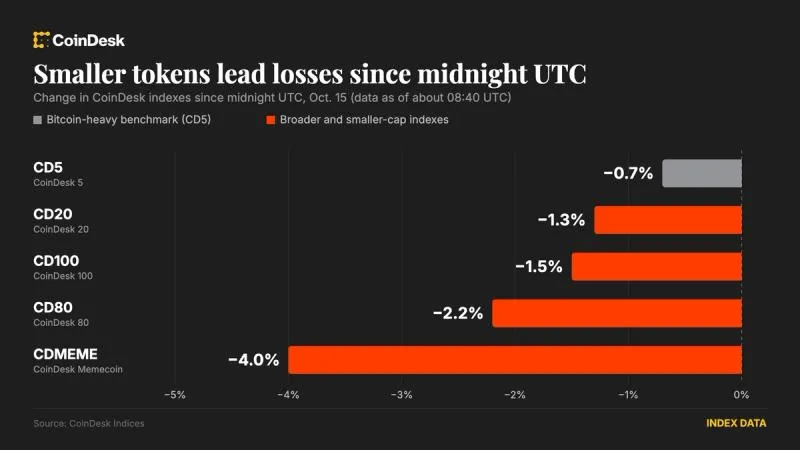
South Korean stock drop pushes bitcoin near $80,000 alongside altcoin losses
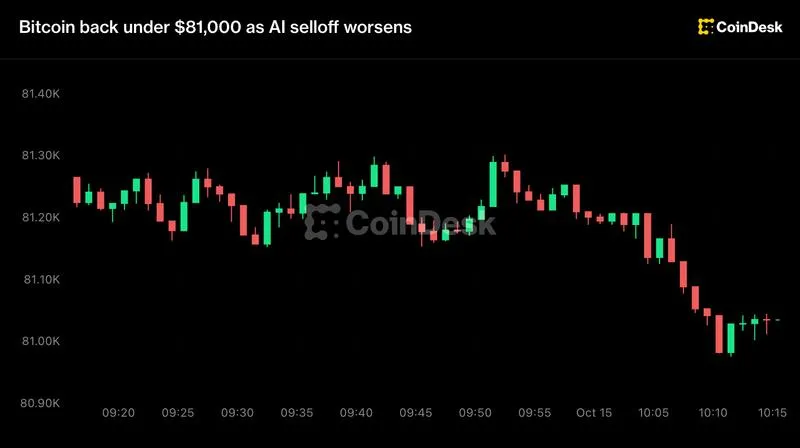
Bitcoin slips beneath $81,000 as September inflation and AI selloff weigh

Hyperliquid founder wants U.S. oversight of trading platforms, not his blockchain
Korean tech sell-off drags bitcoin down to $80,100 following KOSPI drop

CoinShares predicts modest demand for Thailand crypto exchange-traded funds